Acid Rain and Sunflower Growth
Hypothesis
Science Concepts Learned
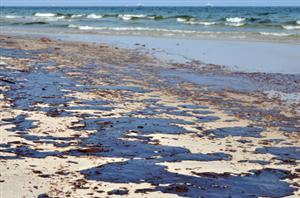
When harmful substances get into rain, the polluted water falls on soil and damages living things. Acid rain is a form of environmental pollution where the rain itself becomes acidic enough to stop plants from growing. This project shows that sunflower seeds watered at pH 3 and pH 2 never sprout at all, revealing how polluted rain causes real damage.
The pH scale measures how sour or bitter a liquid is, with lower numbers meaning more sour. In this experiment, sunflower seeds watered at pH 6 and pH 5 grow normally, but at pH 4 growth slows down sharply. At pH 3 and pH 2, the seeds never sprout at all, showing how even small pH changes can have large effects on living things.
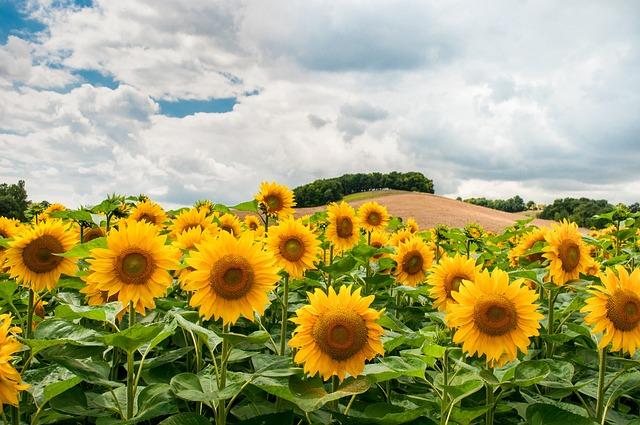
How acidic does rain need to get before sunflower seeds stop growing entirely? To find out, you water five pots of sunflower seeds with water at pH levels ranging from pH 6 — close to normal rain — down to pH 2, which is very acidic. You measure the average height of three plants in each pot every two days for two weeks. At pH 6 and pH 5, plants grow normally. At pH 4, growth slows down sharply. At pH 3 and pH 2, the seeds never sprout at all. The results show a clear threshold: below a certain pH, the acid in the water shuts down germination completely.
Plants grow by making new cells using water, light, and nutrients from the soil. Sunflower seeds watered at pH 4 show sharply slower growth, and at pH 3 or pH 2, seeds never sprout at all. Acid disrupts how plants absorb water and nutrients, which cuts off the raw materials new cells need to form.
Method & Materials
MEL Chemistry — hands-on chemistry experiment kits delivered monthly — great for building lab skills at home. (Affiliate link)
See what’s includedResults
Why do this project?
Also Consider
Full project details
Additional information and source material for this project are available below.Related videos
Related Science Fair Project Ideas