

Temperature and Liquid Flow Rates
Medium
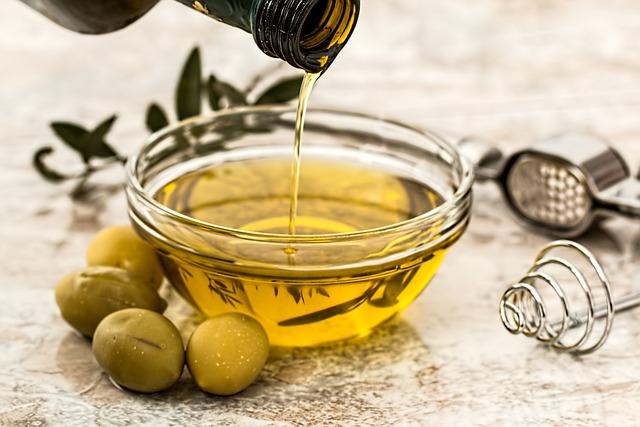
Does warming a liquid make it flow faster? Viscosity (how thick a liquid feels) controls the speed at which fluids pour. Some liquids change more than others when heated.
You drill a small hole in the bottom of a metal cup. Then you fill it with one liquid at a time. Test water at temperatures from 20°C to 50°C. Then repeat with milk and corn oil. A stopwatch tracks how long the cup takes to empty through the hole.
Corn oil starts out flowing very slowly but speeds up sharply with heat. Water flows fastest at every temperature. Compare all three flow rates to see which liquid responds most to warming.
Hypothesis
The hypothesis is that water has the lowest viscosity and the fastest rate of flow followed by milk, while corn oil has the highest viscosity.
Science Concepts Learned
Viscosity
Warming a liquid makes it flow faster, but the effect is not the same for every liquid. You drill a small hole in the bottom of a metal cup and test water, milk, and corn oil at temperatures from 20°C to 50°C. A stopwatch tracks how long the cup takes to empty through the hole each time. Corn oil starts out flowing very slowly but speeds up sharply with heat. Water flows fastest at every temperature. Comparing the three flow rates shows which liquid responds most to warming.
Method & Materials
You will use an electric drill to make a small hole in a metal cup, fill the cup with the fluid, and measure the time it takes for the cup to empty.
You will need an electric drill, two metal cups, tap water, milk, corn oil, a hot plate, a thermometer, a stopwatch, and an assistant.
MEL Physics — hands-on physics experiment kits delivered monthly — real experiments, not just reading. (Affiliate link)
See what’s includedResults
The experiment showed that water had the fastest rate of flow and the corn oil had the slowest. The flow rate of water, milk and corn oil increased as the temperature increased.
Why do this project?
This science project is interesting because it shows how temperature affects the viscosity of different fluids, which is important to understand when transporting fluids like water, crude oil, or natural gas through pipes.
Also Consider
Consider repeating the experiment using different fluids like honey, ethanol, and engine oil. Also, try repeating the experiment using a larger hole in the cup and observe if that makes any difference.
Full project details
Additional information and source material for this project are available below.Related videos
These videos explain the science behind this project and demonstrate key concepts used in the experiment.
Share this Science Project:
Related Science Fair Project Ideas

Charge glow-in-the-dark stickers with four different lamps and discover which type of light keeps them glowing longest.
Medium
Press your finger on glasses at six different temperatures, then dust with cocoa powder to see which surface captures the clearest print.
Medium
Drill a hole in a metal cup and time how long sugar-water solutions of increasing strength take to drain through it.
Medium
Share this Science Project: