

Dried Bean Atom Models
Easy
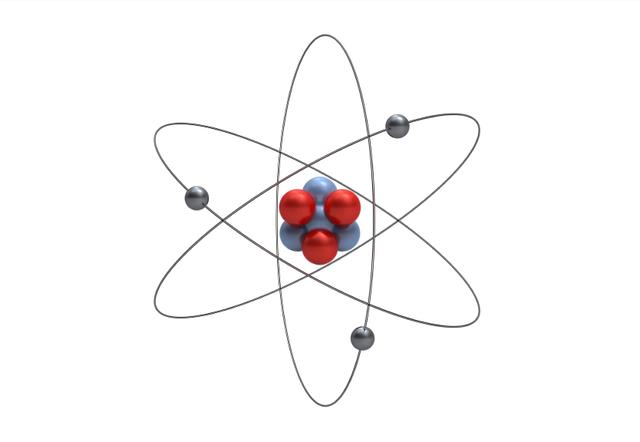
Can you build an atom out of beans and rice? Each atom has protons and neutrons packed in the center. Electrons orbit around the outside. You use different dried beans and rice to stand in for each particle.
Pinto beans represent neutrons. Kidney beans represent protons. Rice or corn kernels represent electrons. You glue the beans tightly in the center of a paper plate to form the nucleus. Then you glue the rice in scattered spots around the plate. You can build neutral atoms along with ions and isotopes.
Hypothesis
The hypothesis is that by building models of atoms with food, students will gain a better understanding of how atoms work.
Science Concepts Learned
Atomic Structure
Every atom has protons and neutrons packed tightly in the center, with electrons orbiting around the outside. You can model this arrangement using dried beans and rice on a paper plate. Pinto beans represent neutrons, kidney beans represent protons, and rice or corn kernels represent electrons. Glue the beans together in the center to form the nucleus, then scatter the rice around the plate. Draw five element cards and build a different atom for each one — including ions and isotopes.
Method & Materials
You will draw 5 different element cards, get 5 paper plates, glue, and small cups of dried pinto beans, dried kidney beans, and dried rice. Then, you will use the pinto beans as neutrons, the kidney beans as protons, and the rice as electrons to build a model of each atom, ion, or isotope shown on the card.
You will need a bag of dried pinto beans, a bag of dried kidney beans, a bag of dried corn kernels or brown rice, Elmer's glue, paper plates, a periodic table, a list of elements, ions and isotopes, and element cards.
MEL Chemistry — hands-on chemistry experiment kits delivered monthly — great for building lab skills at home. (Affiliate link)
See what’s includedResults
After building the models, students will identify the atom or variation of the atom constructed on the back of the paper plate. This experiment will help students gain a better understanding of how atoms work and the different variations of atoms.
Why do this project?
This science project is interesting and unique because it allows students to gain a better understanding of atoms by building models of them with food.
Also Consider
Experiment variations to consider include building models of different elements, ions, and isotopes.
Full project details
Additional information and source material for this project are available below.Related video
These videos explain the science behind this project and demonstrate key concepts used in the experiment.
Share this Science Project:
Related Science Fair Project Ideas
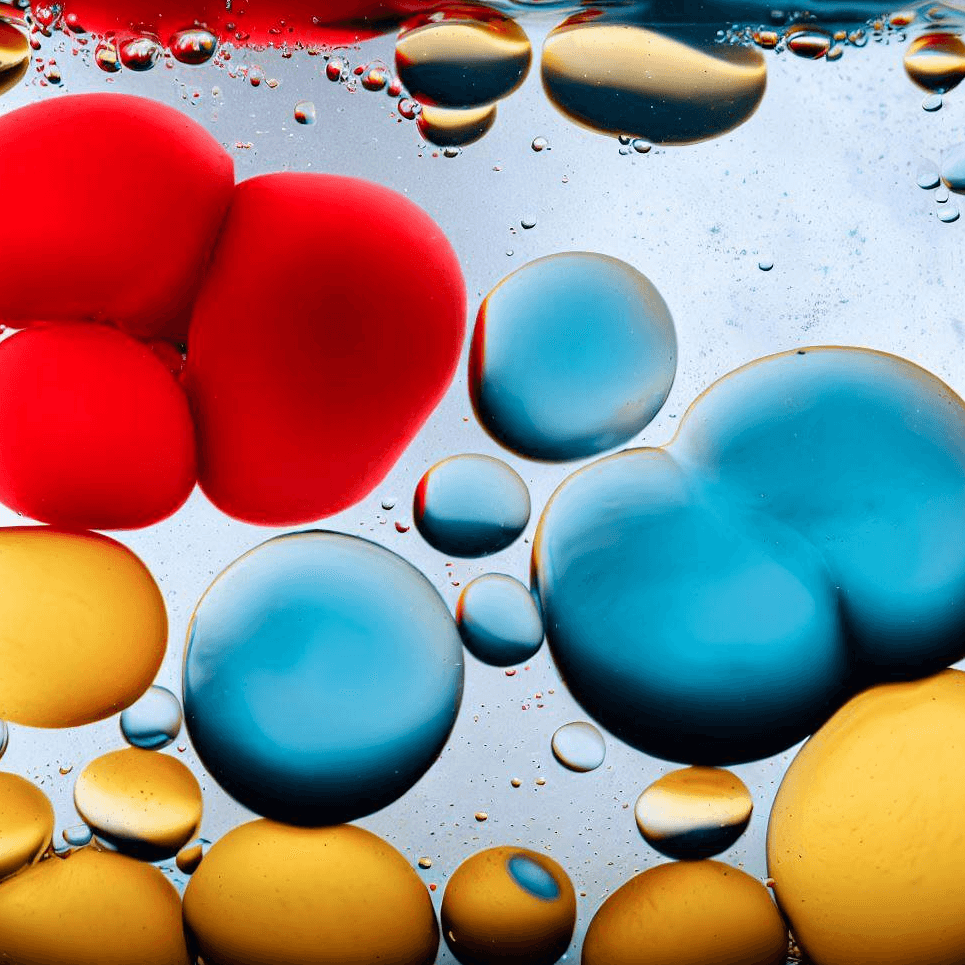
Drop baking soda and vinegar into a bottle of oil and water and watch colored blobs rise and sink like a real lava lamp.
Easy
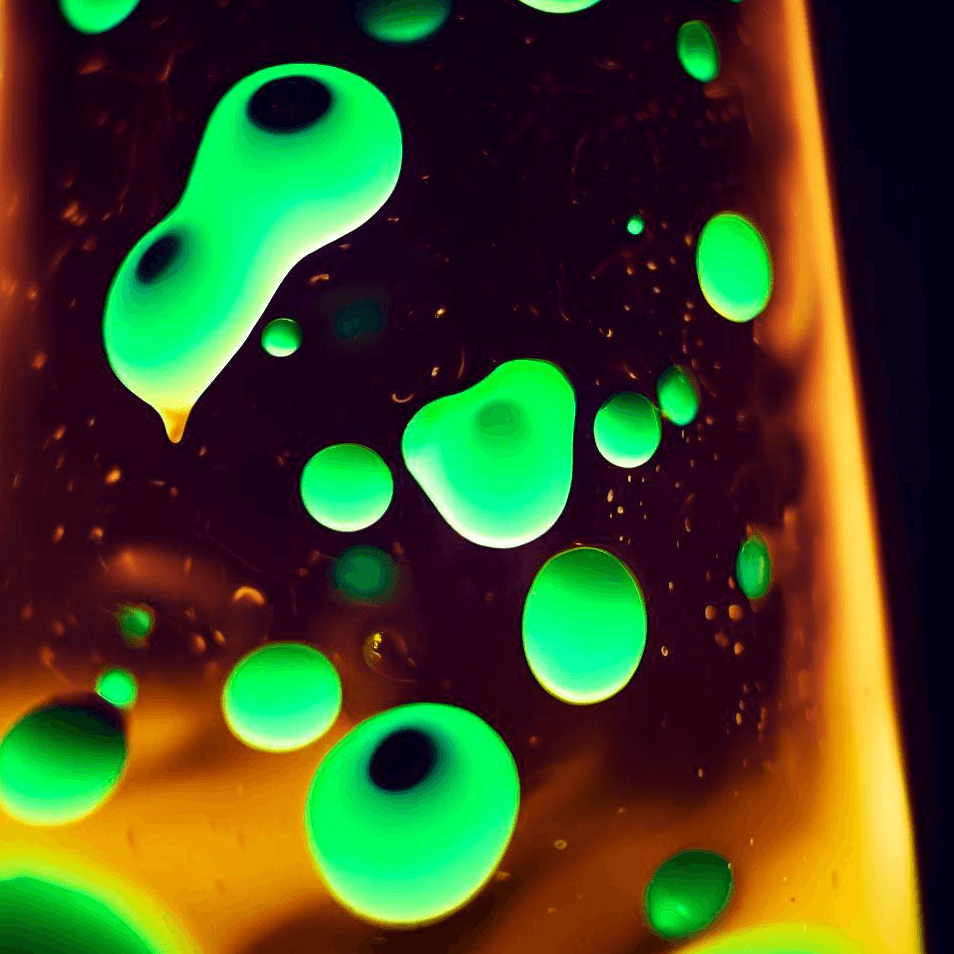
Charge glow-in-the-dark paint and drop a fizzy tablet into oil to create a lava lamp that glows without a black light.
Easy
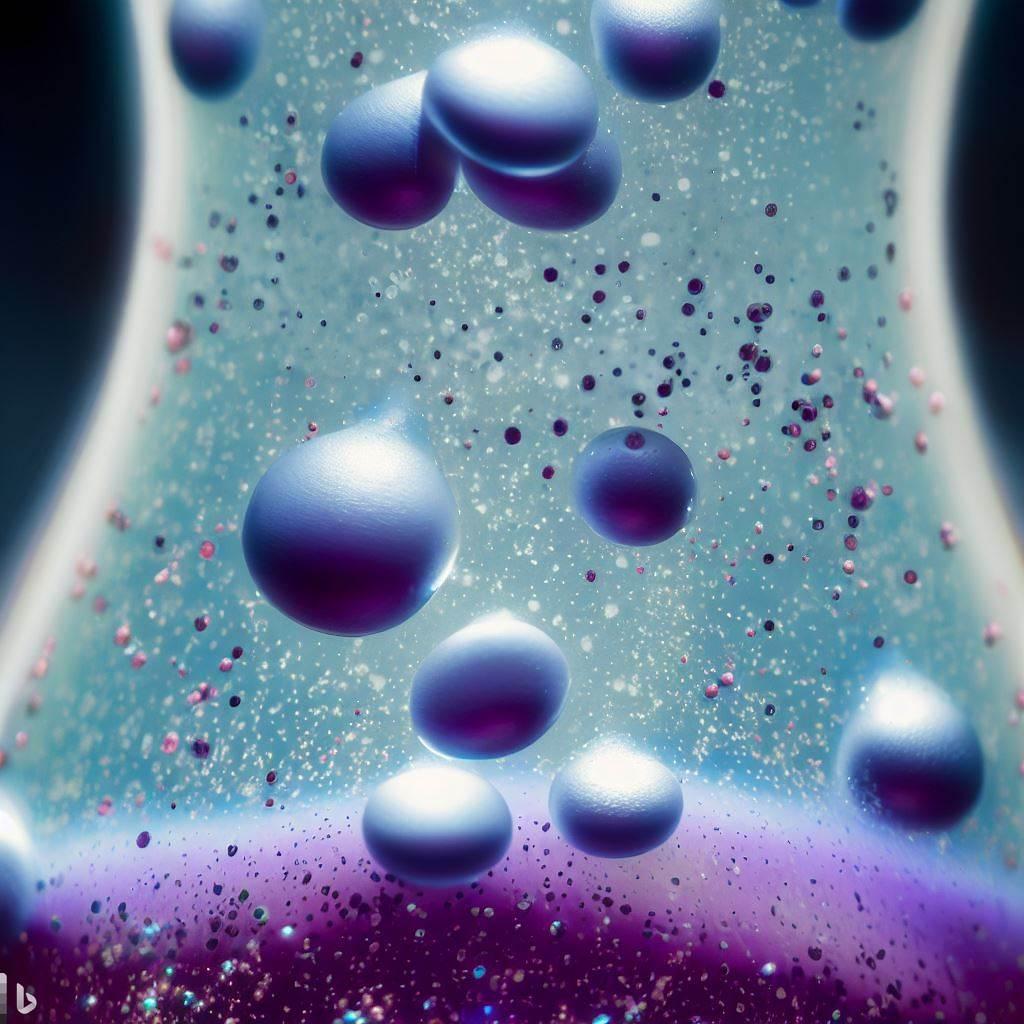
Drop an antacid tablet into a bottle of oil, water, and glitter to create a sparkling lava lamp that keeps cycling.
Easy
Share this Science Project: