| Complexity level: | 7 |
| Project cost ($): | 20 |
| Time required: | 1 hour to prepare, 10 days for the science project experiment |
| Material availability: | Bread may be purchased from a bakery or supermarket (eg. Wholefoods) |
| Safety concerns: |
Hypothesis
Bread with fruit paste added lasts longer, compared to plain bread.
Overview
Food preservation
Food additives are normally added as preservatives to food in order to prevent and inhibit the growth of bacteria, fungi and mold in the food. Some of the commonly used food preservatives include sodium nitrate, calcium propionate and sulfides.
Natural substances like salt, vinegar, alcohol and sugar have been used traditionally through the ages, to help preserve food. Pickling, smoking and salting are some of the methods that have been traditionally used to preserve food for later use. Certain enzymes that are found in fruits can also be used to preserve food. For example, ascorbic acid found in lemons can be used to prevent a cut apple from turning brown.
Baked foods like bread are very vulnerable to mold and bacterial growth. These microbes will thrive at pH levels between 6.5 and 7.5. Adding natural preservatives like prunes, raisins, vinegar and spices like cinnamon can help to control the growth of microbes on bread. Using citric fruits in the bread will help to reduce the pH level and increase its shelf life.
Scientific Terms
Materials
The materials required for this science project:
- A loaf of plain bread
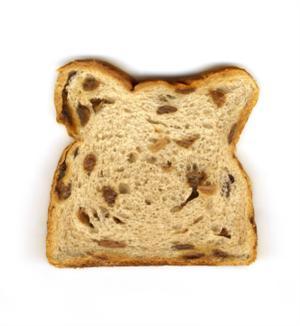
- A loaf of raisin paste-filled bread
- A loaf of prune paste-filled bread
- A loaf of dates paste-filled bread
- A magnifying glass
- A pair of plastic gloves
- A bottle of disinfected water
- A soap
- A clean towel
Tinker Crate — science & engineering build kits for ages 9–12 — real tools, real experiments, delivered monthly. (Affiliate link)
See what’s includedProcedure
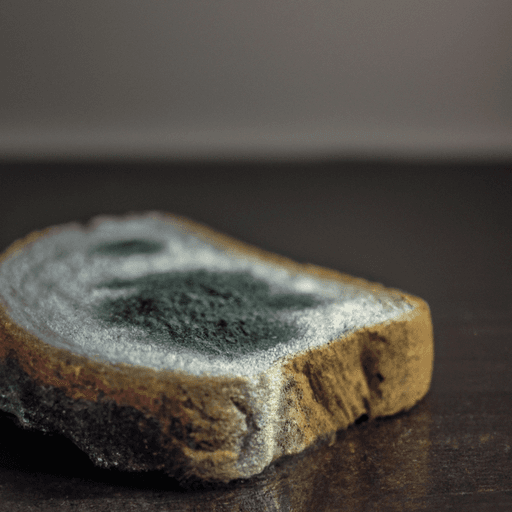
1. For this experiment, the independent variable is the type of bread used – plain, prune paste-filled, raisin paste-filled and date paste-filled. The dependent variable is the number of days it takes for mold to appear on the surface of the bread. This is determined by inspecting the bread with a magnifying glass. The constants (control variables) are the size of the bread, the hygiene level of the bakery and the type of packaging used for the bread.
2. Plain bread, prune filled bread, raisin filled bread and date filled bread loaves are bought from a local bakery. They must be freshly baked in the bakery on the same day. This is to ensure that the source of water, other raw materials and the oven used to make the bread are the same. The packing and handling method should also be the same for all 4 loaves of bread.
3. The 4 loaves of bread are then left in a cupboard. Before handling the bread, wash your hands with soap and disinfected water. Wear plastic gloves after drying your hands with a towel.
4. The 4 loaves of bread are inspected everyday with a magnifying glass for signs of bacteria or mold growth. Do not remove the bread from the packaging. The observations are recorded in the table given below.
Results
It was observed that adding the paste made from raisins, prunes and dates into the bread, helped to increase the shelf life of the bread by 2 to 3 days.
| Bread type | Shelf life of fruit filled brad and plain bread (days) | |||||||||
| 1 | 2 | 3 | 4 | 5 | 6 | 7 | 8 | 9 | 10 | |
| Plain bread | √ | √ | √ | √ | X | X | X | X | X | X |
| Prune bread | √ | √ | √ | √ | √ | √ | X | X | X | X |
| Raisin bread | √ | √ | √ | √ | √ | √ | √ | X | X | X |
| Dates bread | √ | √ | √ | √ | √ | √ | X | X | X | X |
√ - No mold or bacteria found, X - Mold or bacteria found
Conclusion
The hypothesis that bread baked with fruit paste will not spoil as quickly as plain bread, is proven to be true.
The use of synthetic preservatives and food additives to various types of foods, fruits and vegetables to make them last longer is a controversial topic that is often debated. Consumption of synthetic preservatives has been shown to cause several health problems including respiratory difficulties. Even though natural preservatives may be costlier, their use should be encouraged to avoid the side effects caused by synthetic preservatives.
Also consider
The experiment can also be done by adding cinnamon powder or pounded garlic to the bread.
Try to repeat the experiment under different room temperatures.
References
Preservative - http://en.wikipedia.org/wiki/Preservative
Keeping molds, bacteria at bay - http://baking-management.com/ingredients/bm_imp_7448/