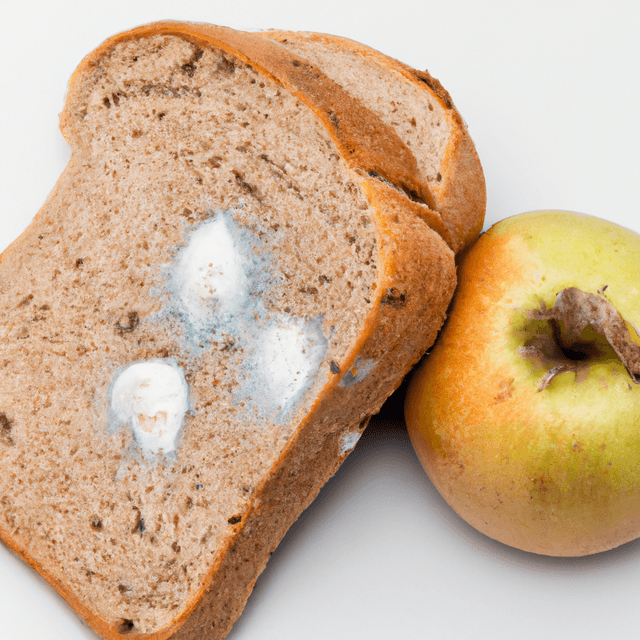
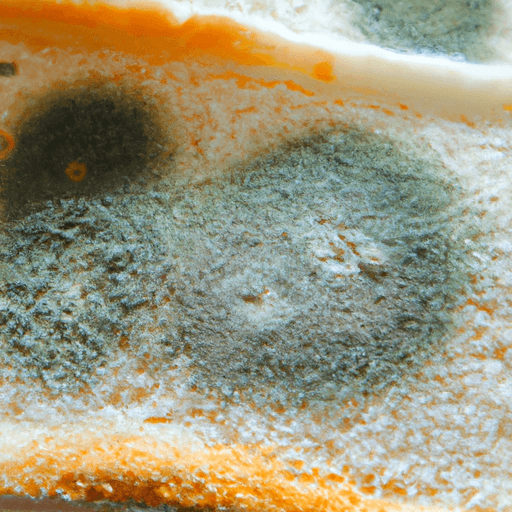
Which food in your kitchen grows mold the fastest? Mold is a type of fungus that needs the right surface conditions to thrive. Some foods offer a better home for mold than others.
You place small pieces of five different foods into sealed plastic bags. Keep all bags in the same spot so that growing conditions stay the same. The only variable is the food itself. Each day for one week, you photograph the samples and measure the mold area.
Plot the mold growth over time to see which food type supports the fastest spread.
Hypothesis
The hypothesis is that mold will grow fastest on sugary foods.
Not all foods spoil at the same rate. Mold is a type of fungus that needs the right surface conditions to thrive, so some foods offer a better home for mold than others. You can test this by placing equal-sized pieces of different foods in sealed bags and measuring which one grows mold the fastest.
Which food in your kitchen grows mold the fastest? In this experiment, you place small pieces of five different foods into separate sealed plastic bags. Keep all bags in the same spot so growing conditions stay the same. The only variable is the food itself. Each day for one week, you photograph the samples and measure the mold area. Some foods offer a better home for mold than others.
Method & Materials
You will choose five different types of food to test for their suitability as a surface for mold growth. Cut each food to the same size (width, depth and height) or shape it to the same size (for coffee grounds). You will place each food in a separate plastic sandwich bag and leave them in a safe spot in your home. You will take pictures of the bags and record any observations. You will measure the size of the mold growth and plot the mold area over time.
You will need food samples from your home that are no longer fresh/needed, such as fruit, vegetables, bread, and coffee grounds. You will also need sandwich bags, paper/pencil to record data, a camera or sketch pad, and a ruler.
Tinker Crate — science & engineering build kits for ages 9–12 — real tools, real experiments, delivered monthly. (Affiliate link)
It was surprising that the coffee grounds grew mold even though it is not sugary. The bread grew mold faster than fruits, maybe because the fruit has compounds that prevent mold from growing fast, but the bread does not.
Why do this project?
This science project is interesting and unique because it allows students to explore the world of fungi and discover what kind of food provides the best growing conditions for mold.
Also Consider
Variations of this experiment could include testing different temperatures, moisture levels, and light levels to see how they affect mold growth.
Full project details
Additional information and source material for this project are available below.
These videos explain the science behind this project and demonstrate key concepts used in the experiment.
Get ready for some science fun! This student did an experiment to test which food molds the fastest. He tested apples, bread, American cheese, and peanut butter by placing them in open air, a Ziploc bag, and a vacuum-sealed bag, and by exposing them to both warm and cold temperatures. Can you guess which food will mold the fastest?
Have you ever wondered why it's okay to eat cheese made with mold, but not moldy bread? And is it safe to just cut away the moldy parts of fruits? Get ready to learn some fascinating science facts with this video! Discover the answers to these questions and more as you explore the world of molds.