

Yeast Grains and Signs of Life
Medium
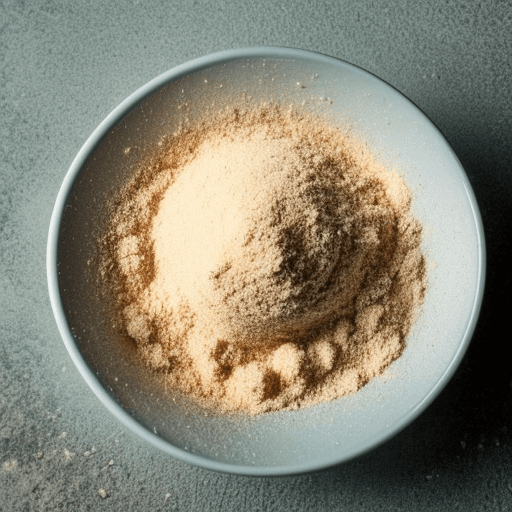
Do the tiny brown grains of yeast you buy at the store count as alive? Living things share two key traits. They grow and they use energy. This project tests yeast for both.
You set up four test tubes with yeast and warm water. Two tubes get sugar. Two tubes get none. A balloon covers each tube to catch any gas. If yeast breaks down sugar, it releases carbon dioxide (a gas that living things give off).
You also spread yeast grains on a growth plate. After a few days at body temperature, you check for signs of growth under a microscope.
Hypothesis
The hypothesis is that yeast is a living organism.
Science Concepts Learned
Metabolism
Any living thing breaks down food and turns it into energy — that process is a basic sign of life. You set up four test tubes with yeast and warm water; two get sugar, two get none. A balloon covers each tube to catch any gas released. When yeast breaks down sugar, it releases carbon dioxide, and the balloons on the sugar tubes inflate while the others stay flat.
Method & Materials
You will set up four test tubes in a test tube rack, add yeast, sugar, and water to two of the tubes, and observe the results.
Tinker Crate — science & engineering build kits for ages 9–12 — real tools, real experiments, delivered monthly. (Affiliate link)
See what’s includedResults
The results of the experiment suggest that yeast is a living organism, as it was able to metabolize sugar and produce a gas. The most interesting observation was that the test tubes with sugar and yeast produced a gas, while the test tubes without sugar did not.
Why do this project?
This science project is interesting because it allows us to explore the characteristics of living organisms and test whether yeast is alive.
Also Consider
Variations to consider include testing different types of sugar and testing different temperatures.
Full project details
Additional information and source material for this project are available below.Share this Science Project:
Related Science Fair Project Ideas

Add yeast to different sodas and stretch balloons over the bottles to see which drink produces the most CO2.
Medium
Shine a UV lamp on fermenting apple juice and measure whether yeast produces less carbon dioxide.
Medium

Add yeast to three fruit juices and use a Brix meter to see which one loses the most sugar.
Medium
Share this Science Project: