

Immune System Response to a Virus
Easy
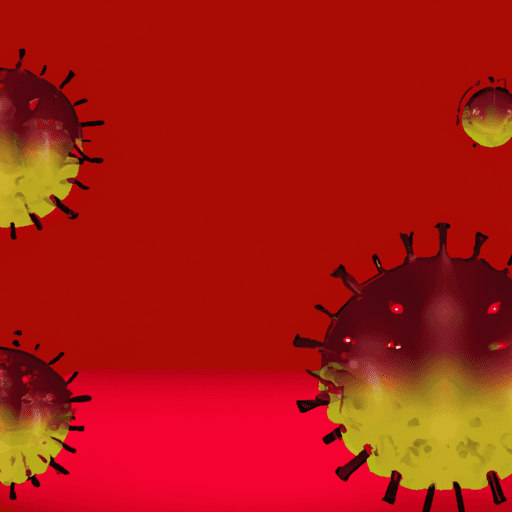
What happens inside your body when a virus enters your blood? Your immune system sends different cell types to fight back. Each type has a specific job.
You build paper cutouts of viruses and immune cells. The letter V stands for viruses. T stands for T-cells that find invaders. B stands for B-cells that make antibodies (proteins that stick to viruses). K stands for killer cells that destroy infected cells.
A large red cloth stands in for the bloodstream. You act out how the immune system detects and attacks a virus.
Hypothesis
The hypothesis is that the body's immune system can recognize and fight off a virus.
Science Concepts Learned
Immune System
When a virus enters your blood, your body sends different cell types to fight back. T-cells find the invaders first. As they do, B-cells make antibodies — proteins that stick to the viruses. Killer cells then destroy the infected cells.
Antibodies
Your body makes antibodies (tiny proteins) to find and stick to germs. In a paper model, the letter B stands for B-cells that make these proteins. The proteins stick to viruses so the immune system can detect and attack them.
Method & Materials
You will make illustrations, role play, and discuss the meaning of the human immune system.
You will need a large red cloth, construction paper, chalkboard, double sided magnets, markers, and scissors.
Kiwi Crate — hands-on STEAM project kits for ages 6–9, delivered monthly. (Affiliate link)
See what’s includedResults
Through this experiment, students will gain a better understanding of how the body's immune system works to protect us from viruses. They will be able to make and explain illustrations that show how viruses can appear as foreign invaders in the blood, and how certain cells can recognize and attack the foreign invaders.
Why do this project?
This science project is unique because it combines both visual and role-playing elements to help students understand how the body's immune system works.
Also Consider
Experiment variations could include researching and discussing other viruses that can break down the body's immune system, or exploring how the body's immune system responds to other foreign invaders.
Full project details
Additional information and source material for this project are available below.Share this Science Project:
Related Science Fair Project Ideas
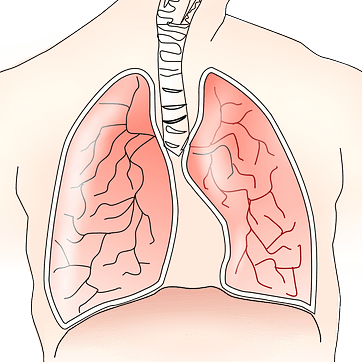
Have choir singers and non-singers each inflate a balloon in one breath, then measure which group blows them bigger.
Easy
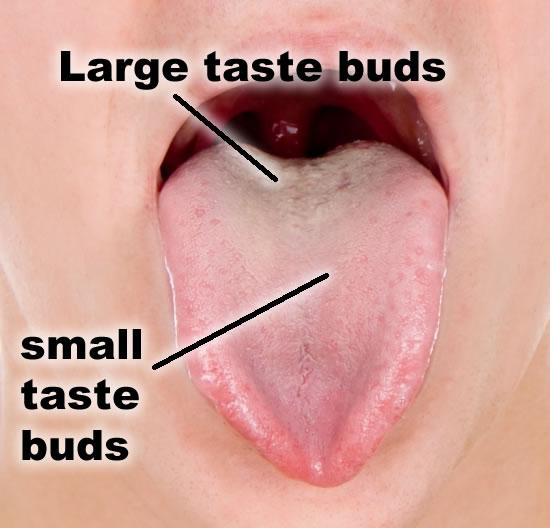
Blindfold volunteers and plug their noses to discover how much harder it is to identify foods.
Easy
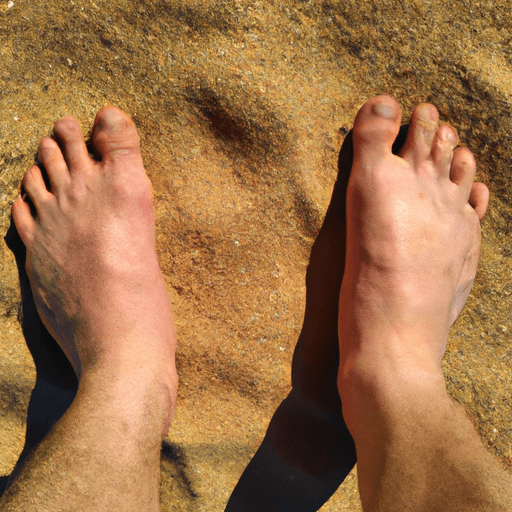
Measure the feet of 10 males and 10 females, then compare width-to-length ratios to find hidden shape differences.
Easy
Share this Science Project: