What are the odds that two parents produce offspring with a specific combination of traits? You inherit half your genes from each parent. That makes heredity similar to a coin toss for every trait.
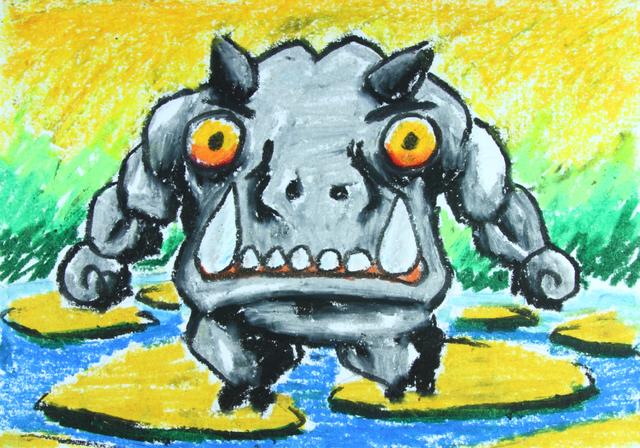
You design a creature called a zoomonster by flipping a coin ten times. Heads gives the dominant trait and tails gives the recessive one. Each toss decides a feature like body shape or antenna type. Then you pair your zoomonster with another and use Punnett squares to predict offspring traits.
The project shows how two parents with known genotypes (genetic codes) can produce a wide range of phenotypes (visible traits).
Hypothesis
The hypothesis is that the probability of having a particular outcome for an event is called probability.
When traits pass from parent to offspring, some show up and others stay hidden — and a coin toss models that process well. For each trait, heads stands for the dominant version and tails for the recessive one. You then use Punnett squares to predict which traits appear in the offspring.
Every trait you inherit comes from paired genes, one from each parent. A coin toss models this process neatly: heads gives the dominant trait, tails gives the recessive one. As a result, you can use Punnett squares to predict how two parents with known genotypes (genetic codes) produce different phenotypes (visible traits) in their offspring.
Because you inherit half your genes from each parent, predicting offspring traits involves probability. You design a creature by flipping a coin ten times, where each toss decides a feature like body shape or antenna type. Punnett squares then predict how two parents with known genotypes produce a wide range of phenotypes.
A Punnett square charts every possible combination when two parents pass traits to offspring. You pair two zoomonsters with known genotypes and use Punnett squares to predict offspring traits. Each square cell shows one possible mix of dominant and recessive genes, like heads or tails on a coin toss.
Your genotype is your genetic code — the hidden instructions you carry. Your phenotype is the trait others can see. A coin toss models how each parent passes one allele: heads gives the dominant trait, tails the recessive one. Punnett squares then predict how two parents with known genotypes can produce a wide range of phenotypes.
Method & Materials
You will design your own zoomonster by performing 10 coin tosses, one for each of the traits described by the key. You will use the list of traits to draw your zoomonster. Then, you will calculate the probability of getting certain phenotypes with your zoomonster pairing by determining the genotypes of the two zoomonsters and making predictions about possible traits in the offspring using punnett squares.
You will need pennies, paper, and colored pencils.
Eureka Crate — engineering & invention kits for ages 12+ — monthly projects that build real-world skills. (Affiliate link)
The results of this experiment show that the probability of having a particular outcome for an event is called probability. The alleles each parent can donate to the offspring are in bold on the outside of the table. The possible genotypes of the offspring are in red in the center of the table.
Why do this project?
This science project is unique because it allows students to explore the probability of a baby's sex and the odds of getting certain phenotypes when crossing the two genotypes of the parents.
Also Consider
Variations of this experiment include exploring the probability of different traits, such as eye color, hair color, or height. Another variation is to explore the probability of different combinations of traits, such as two antennae and two eyespots.
Full project details
Additional information and source material for this project are available below.