Search for Science Fair Projects

1000 Science Fair Projects with Complete Instructions

Greenhouse vs. Open-Air Plant Growth

Greenhouse vs. Open-Air Plant Growth

Easy
Share this Science Project:
This page contains full project details. For the summary, please see the Project Summary.

Science Fair Project Description

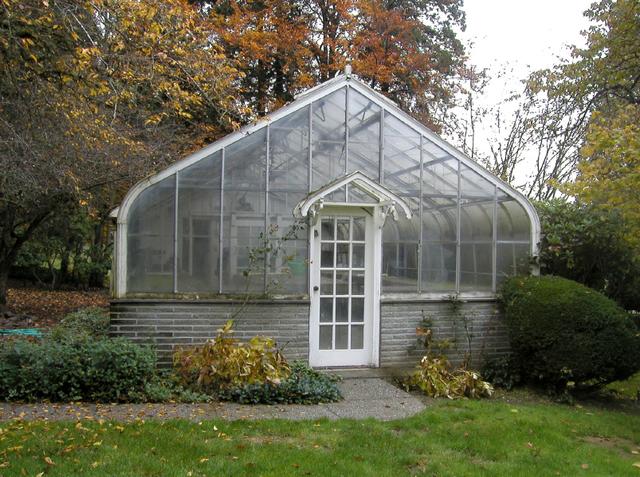
Greenhouses are used throughout the world to facilitate plant growth in difficult climates and provide a sheltered, controlled environment for gardening and farming. This project will help you examine the benefits of growing a plant inside of a greenhouse instead of simply planting it in the soil outside.
Complexity level:3
Time required:About an hour to set up, observations every 2 days and a wrap-up at the end of the growth period.
Safety concerns:

Hypothesis

Which plant will grow larger during our 1-2 week growth period: The one in the greenhouse, or the one without protection?

Overview

You may have heard of a greenhouse before ? a clear structure covered with plastic or glass that insulates plants from the elements. You might not know the benefits of a greenhouse, however. This experiment will help you understand more about the construction and use of greenhouses.

There are many positive reasons to use a greenhouse. The temperature inside the greenhouse is easier to control. Greenhouses also protect plants from insects and diseases that could cause them to die. Further, we use greenhouses to grow beautiful plants in the winter, even when it is snowy and cold outside!

Environmentally responsible farmers use greenhouses to avoid applying pesticides and other toxins to their plants. This is because they can grow produce at any time of year inside a greenhouse without using dangerous chemicals. In other words, using a greenhouse helps farmers control the environment in which their fruits and vegetables are grown, which is good news for our health!

Scientific Terms

Greenhouse, Insects, Disease, Pesticides, Toxins

Materials

  • Stock of flexible straws
  • Plastic wrap
  • Tape
  • Scissors
  • Ruler
  • Small pot or peat pot
  • Planting soil
  • 2 seedlings
  • Water

Tinker Cratescience & engineering build kits for ages 9–12 — real tools, real experiments, delivered monthly. (Affiliate link)

See whats included

Procedure

  1. Begin by building the greenhouse.
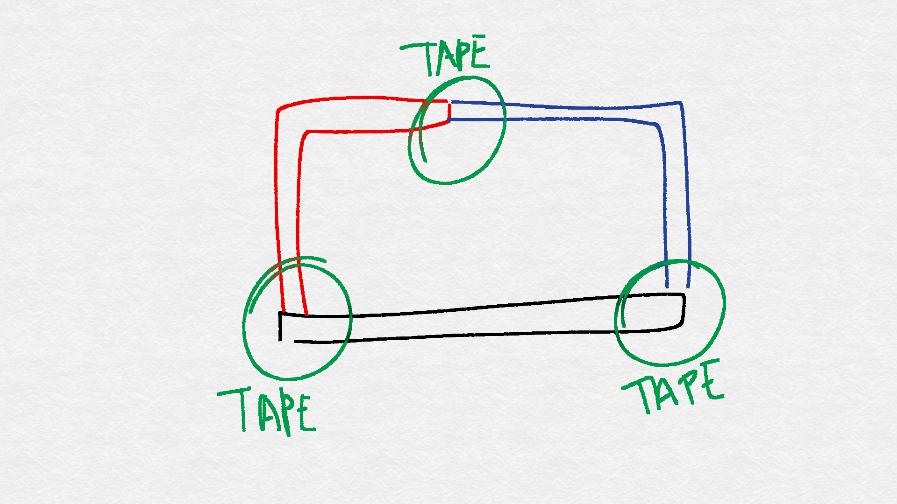
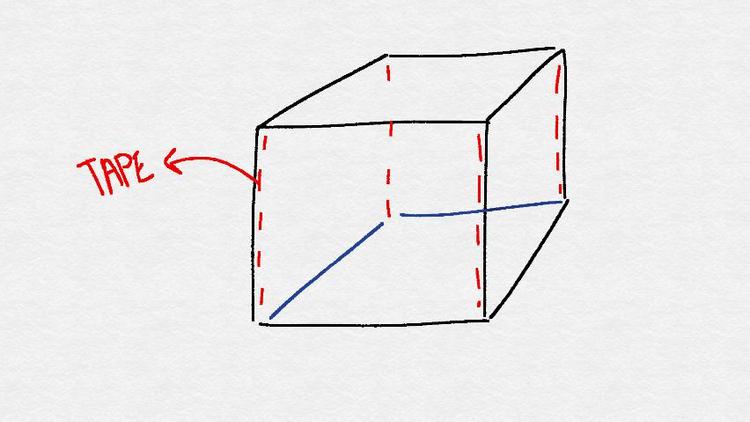
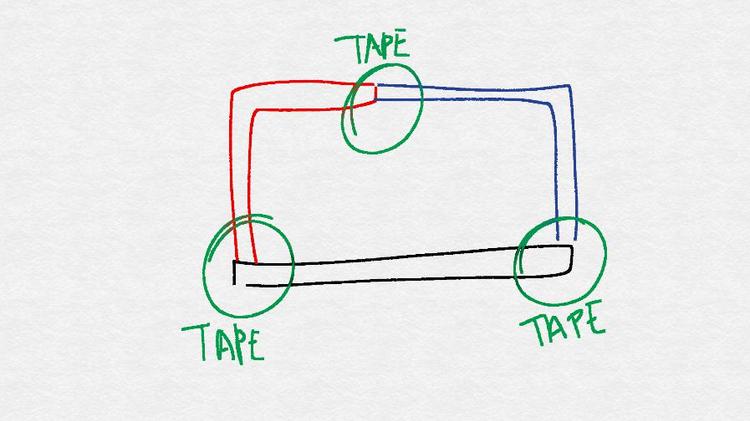
  2. Put 3 of the straws together to make the first side of the greenhouse's frame. You will need to tape the straws together at 3 locations.greenhouse science project
  3. Repeat step 2 until you have four sides of the greenhouse.
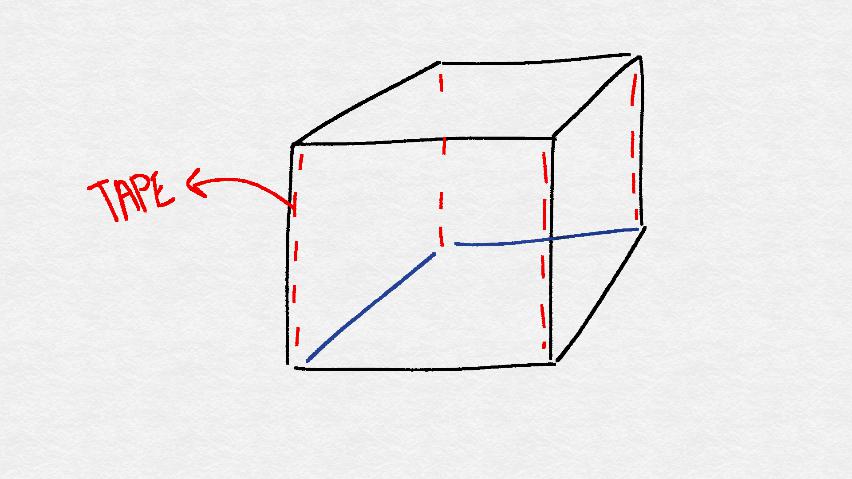
  4. Tape the four sides together to make a cube.making a greenhouse for a science experiment
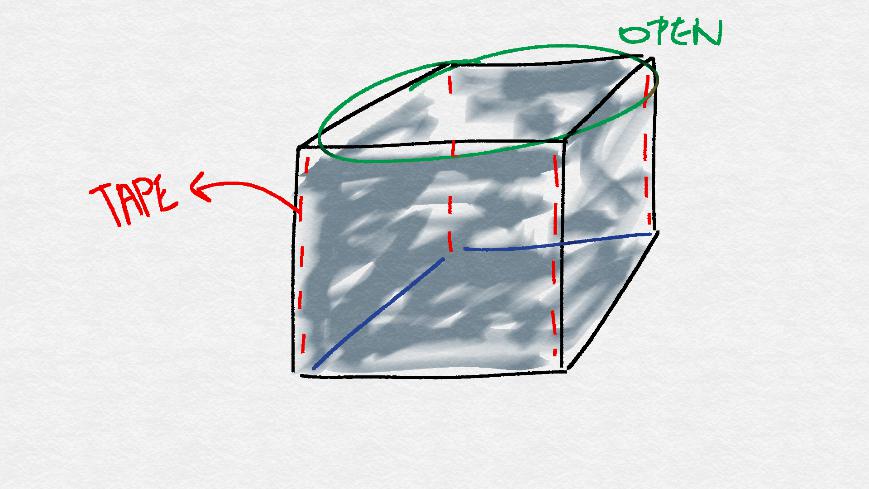
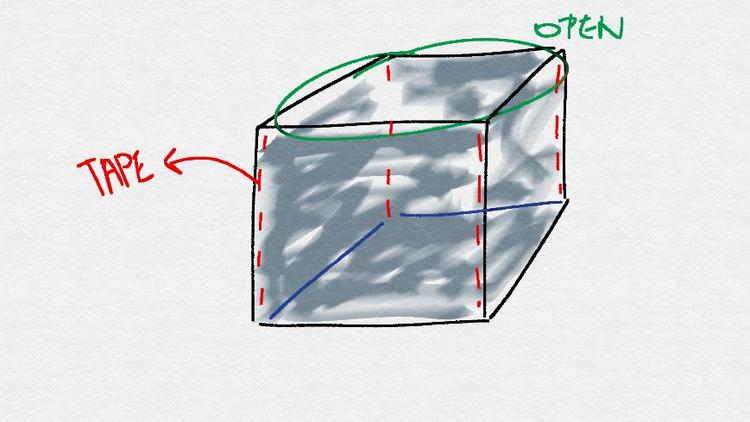
  5. Wrap the plastic around the outside of the cube and the bottom. Do not cover the top yet. You can tape the plastic wrap to the greenhouse if it will not stay on its own.plant experiment setup, wrapping the greenhouse
  6. Set the greenhouse aside so you can pot the plant for the greenhouse.
  7. Put the plant into its small pot, adding potting soil to fill in any of the gaps around the base. Be sure that the plant is stable in its pot and will not fall over.
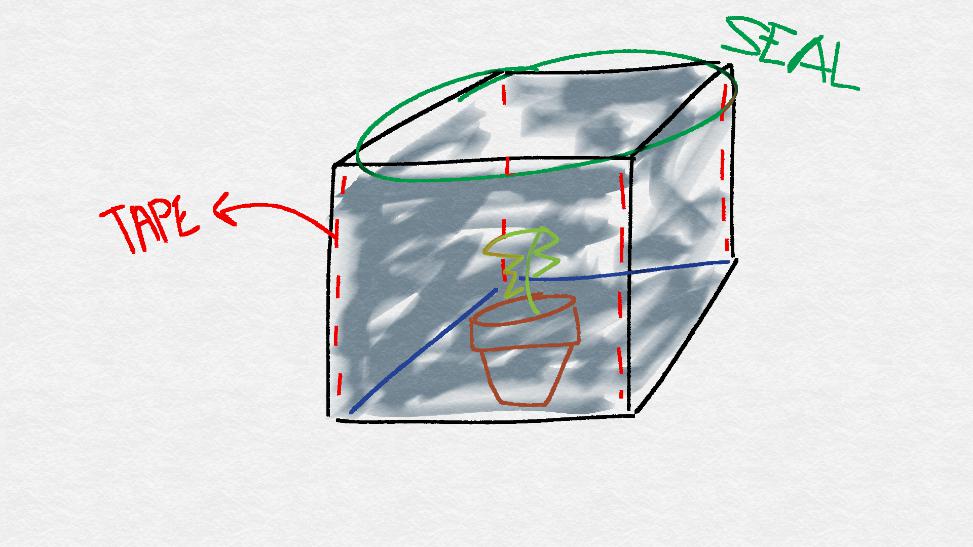
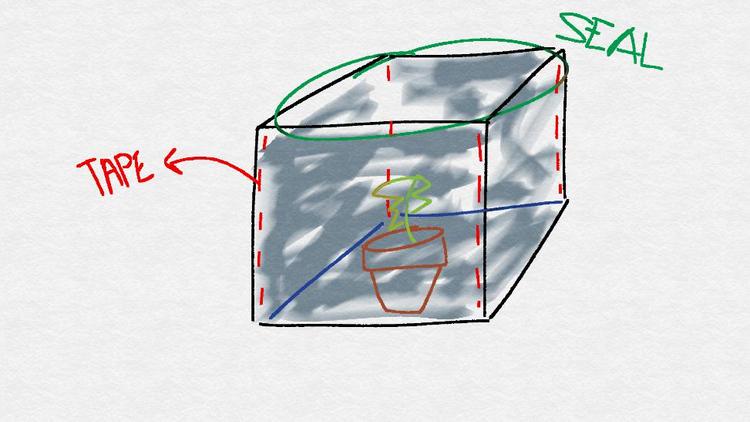
  8. Put about 5 - 10 mL of water in the soil surrounding the plant.procedure for sealing a greenhouse in science project
  9. Place the pot inside the greenhouse.
  10. Place the final piece of plastic wrap over the top to seal the greenhouse.
  11. Repeat steps 7 and 8 with the potted plant that will not be inside the greenhouse.
  12. Place the greenhouse and the free-standing plant in a sunny location. This can be indoors if the weather is bad, but an outdoor location is ideal.
  13. Take your initial measurements of the plants with your ruler and record them in the observations table.
  14. Record the height of each plant every two days from 1-2 weeks. You should be able to measure the height of the greenhouse plant through the plastic wrap. If not, it is OK to remove the plant from the greenhouse for a few minutes to measure it.

Observations

Day

Height of greenhouse plant (cm)

Height of free-standing plant (cm)

1


2


3


4


5


6


7


Do you notice anything else about the plants?
b1.jpgb2.jpgb3.jpgb4.jpg

Related videos

These videos explain the science behind this project and demonstrate key concepts used in the experiment.
Share this Science Project:

Related Science Fair Project Ideas

Frozen Flowers and Melting Ice
Freeze fresh flowers in a muffin pan and melt them free with warm water to explore how ice traps and releases petals.
Easy
White Daisies and Food Coloring
Place white daisies in colored water and watch the petals change to blue or red within a single day.
Easy
Flowers Under Ultraviolet Light
Photograph flowers under a black light in a dark room and reveal hidden patterns that are invisible under normal light.
Easy