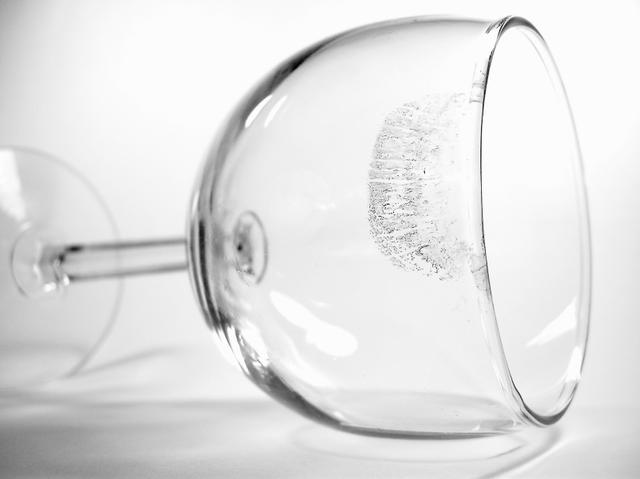
Can you turn a drinking glass into a musical instrument? You fill a piece of stemware halfway with water. Then you run a wet finger along the rim. The glass vibrates and produces a clear tone.
Change the water level and repeat. With less water the pitch shifts one way. With more water it shifts the other. You discover how the water level controls the note.
Hypothesis
The hypothesis is that sound can be produced by vibrations.
Run a wet finger along the rim of a piece of stemware and the glass vibrates to make a tone. Change the water level and the number of vibrations per second shifts, moving the pitch higher or lower. With less water the pitch shifts one way. With more water it shifts the other. That change in water level is all it takes to control the note.
Sound starts as vibration, and a drinking glass can show that directly. Fill a piece of stemware halfway with water, wet your finger, and run it slowly around the rim. The glass vibrates and produces a clear tone. Change the water level and repeat — with less water the pitch shifts one way, with more it shifts the other. The water level controls the note.
Run a wet finger along the rim of a glass and the glass vibrates, producing a clear tone. That vibration is the glass shaking on its own in response to the motion of your finger. Change the water level and the pitch shifts, because the water changes how the glass vibrates. With less water the note goes one way; with more it goes the other.
Method & Materials
You will fill a stem glass half-way with water, wet your finger with water from the glass, grab on to the base of the glass with the other hand to secure it, and move your wet finger slowly around the rim of the glass.
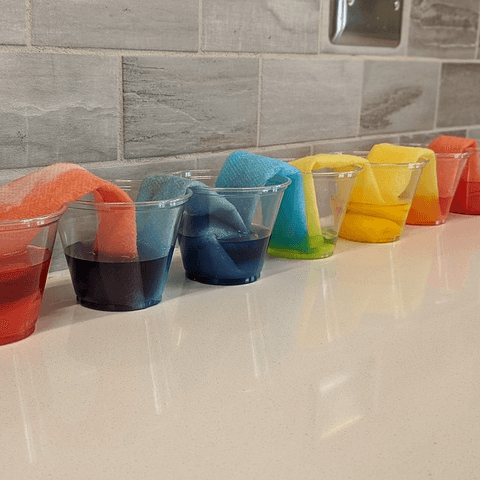
You will need stemware (all the same size and shape, if possible), water, and food coloring.
Tinker Crate — science & engineering build kits for ages 9–12 — real tools, real experiments, delivered monthly. (Affiliate link)
After running your finger around the top of the glass, you'll notice that the glass begins to "sing!" You'll also observe that the glass notes changed when the water level changed. This is because the water level affects the ability of the glass to vibrate, which is what produces the sound.
Why do this project?
This science project is so interesting and unique because it allows you to explore the science behind sound production in a fun and creative way.
Also Consider
Experiment variations to consider include adding food coloring to the water and experimenting with different sizes and shapes of glasses.
Full project details
Additional information and source material for this project are available below.