

Elephant Toothpaste Foam Reaction
Easy

A simple mix of hydrogen peroxide and yeast can send a giant column of foam shooting out of a bottle. The reaction happens fast and produces heat you can feel through the bottle.
Add hydrogen peroxide and dish soap to a plastic bottle. Drop in some food coloring. In a small cup, mix dry yeast with warm water. Pour the yeast mixture into the bottle and swirl gently.
Foam erupts from the bottle almost right away. This is an exothermic reaction (one that gives off heat). Touch the bottle with gloved hands to feel the warmth.
Hypothesis
The hypothesis is that by mixing hydrogen peroxide, yeast, and dish soap together, a reaction will occur that produces a lot of foam.
Science Concepts Learned
Catalysis
Catalysis means a substance helps a reaction happen faster but stays unchanged itself. In this experiment, yeast mixed with warm water is added to hydrogen peroxide. The hydrogen peroxide breaks apart so quickly that a giant column of foam shoots out of the bottle.
Exothermic Reactions
Some chemical changes give off heat as they happen. When yeast meets hydrogen peroxide, the mix breaks apart fast — and you can feel the warmth through the bottle as foam shoots out. That heat is the giveaway: this is an exothermic reaction, one that releases energy as it goes.
Method & Materials
You will mix hydrogen peroxide, dish soap, and food coloring in a bottle, then add yeast mixed with warm water to the bottle. This will cause the foam to overflow out of the bottle!
You will need a clean 16-oz plastic soda bottle, hydrogen peroxide, yeast, dishwashing soap, food coloring, warm water, gloves, safety goggles, and a tray or washable surface to do this experiment on.
Tinker Crate — science & engineering build kits for ages 9–12 — real tools, real experiments, delivered monthly. (Affiliate link)
See what’s includedResults
This experiment showed that mixing the hydrogen peroxide, yeast and dish soap together can cause a fun and exciting reaction. The ingredients by themselves don't create large amounts of foam, but only when they're mixed together. The heat is generated because of an exothermic reaction, which is caused by the catalase enzyme in yeast breaking down the hydrogen peroxide into oxygen and water. The foam is caused by the soap trapping the oxygen gas.
Why do this project?
The Elephant Toothpaste experiment is not only visually impressive but also a great way to explore chemistry. With simple ingredients, you can witness a powerful chemical reaction that teaches you about catalysts and exothermic reactions.
Also Consider
Use different colors of food coloring to see how they mix and create new colors in the foam.
Vary the amount of hydrogen peroxide and yeast to see how it affects the size and duration of the foam eruption.
Use different types of soap and detergents to see if they affect the foam's texture.
Use bottles with different-sized openings to create even more gigantic 'Dinosaur Toothpaste' eruptions or tiny 'Mouse Toothpaste' eruptions!
Full project details
Additional information and source material for this project are available below.Related videos
These videos explain the science behind this project and demonstrate key concepts used in the experiment.
The elephant toothpaste experiment is not just for adults, even young kids can join in the fun! An adult can assist by pouring the hydrogen peroxide into the bottle, and then the kids can add the remaining ingredients! The main ingredient responsible for a more vigorous reaction and a larger amount of foam produced in this video is 6% hydrogen peroxide! While 3% hydrogen peroxide is readily available, you may be able to find 6% hydrogen peroxide from a beauty supply store.
Get ready for some exciting and explosive fun with the elephant toothpaste experiment! Using basic household items like an empty water bottle, hydrogen peroxide, soap, yeast, warm water, and some food coloring to create a colorful reaction!
Are you ready to see something super cool? Try the elephant toothpaste experiment with all colors of food coloring and watch a giant rainbow explosion of foam! This colorful science experiment is sure to amaze you!
Share this Science Project:
Browse by Grade
Related Science Fair Project Ideas
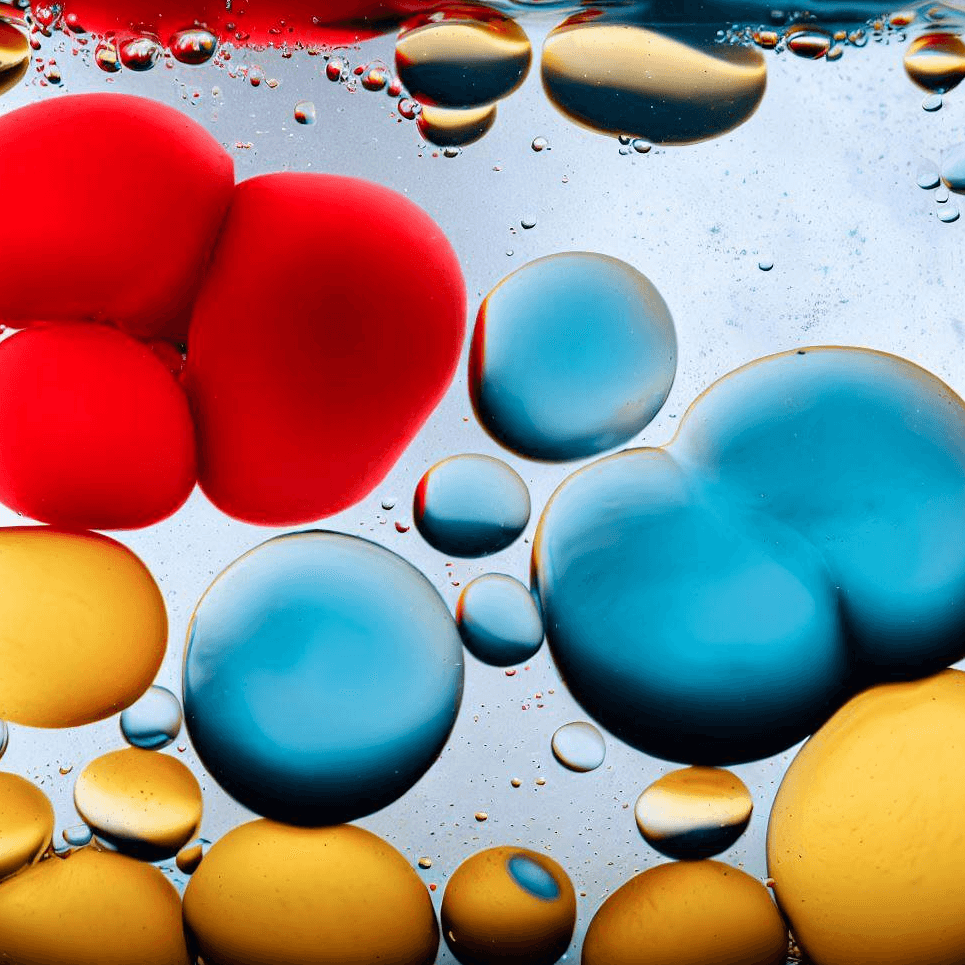
Drop baking soda and vinegar into a bottle of oil and water and watch colored blobs rise and sink like a real lava lamp.
Easy
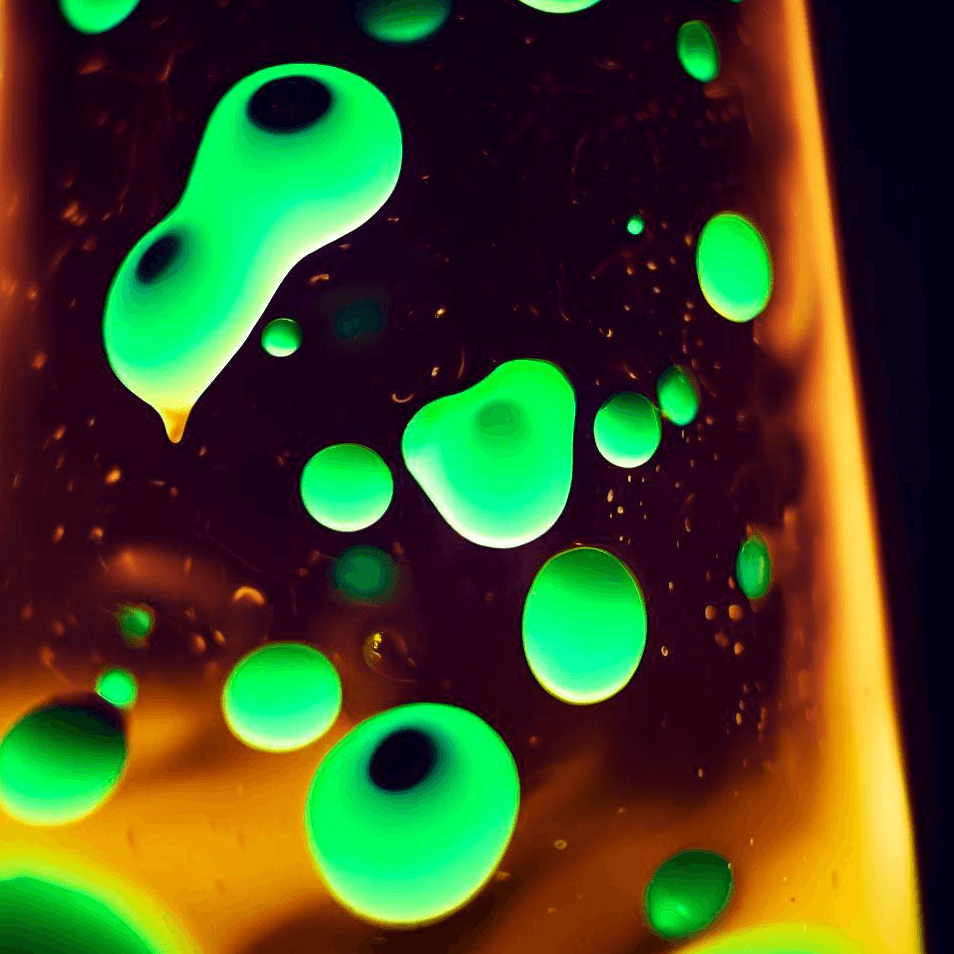
Charge glow-in-the-dark paint and drop a fizzy tablet into oil to create a lava lamp that glows without a black light.
Easy
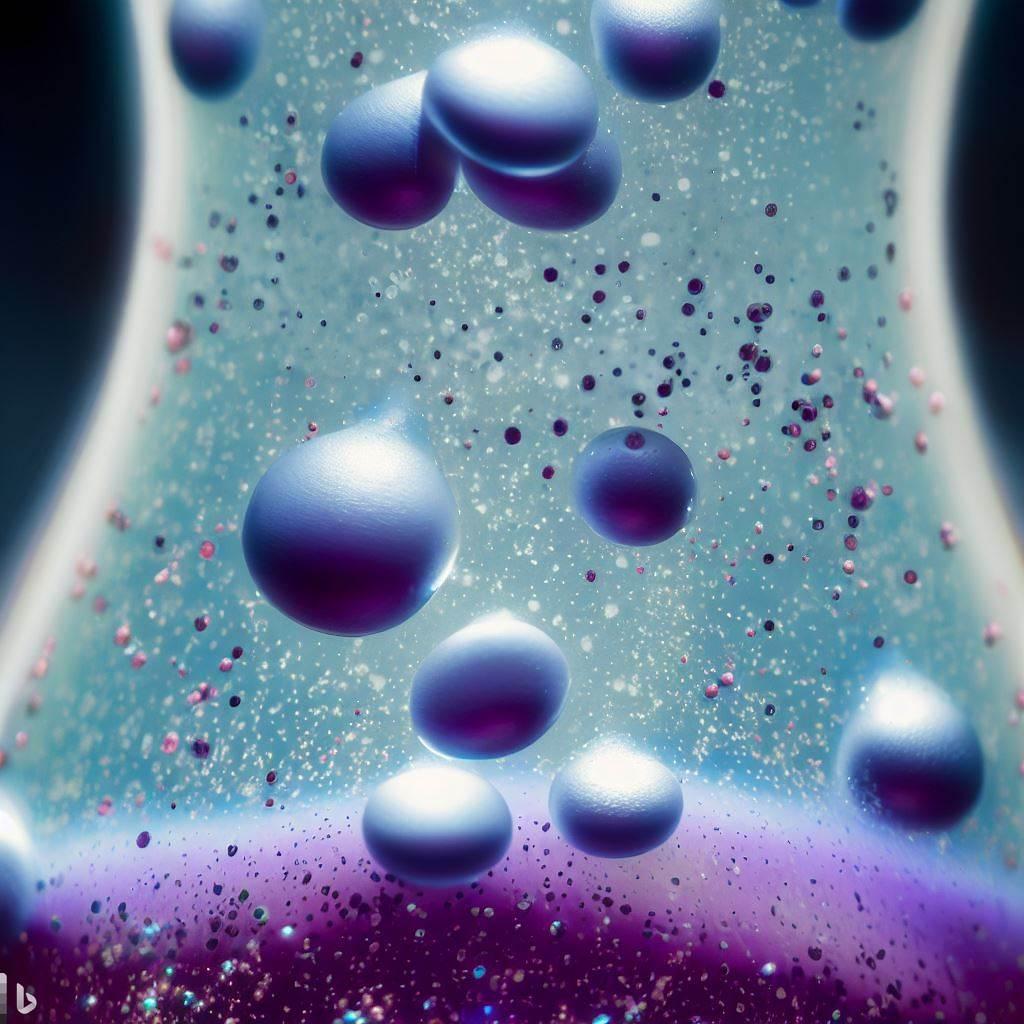
Drop an antacid tablet into a bottle of oil, water, and glitter to create a sparkling lava lamp that keeps cycling.
Easy
Share this Science Project: