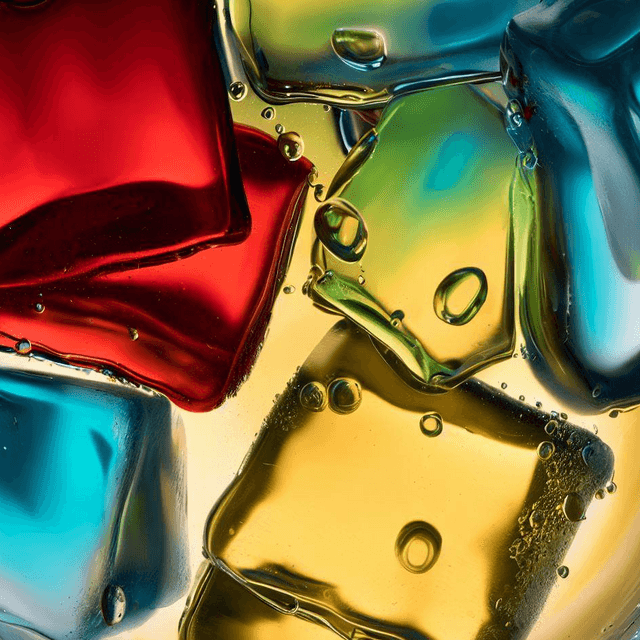
What happens when colored ice cubes melt inside a jar of oil? Ice is less dense than oil, so the cubes float at the top. As they melt, the colored water becomes liquid. Liquid water is denser than oil, so it sinks.
You freeze water with food coloring into ice cubes. Then you drop them into a clear jar filled with cooking oil. As the cubes melt, streams of colored water swirl downward through the oil.
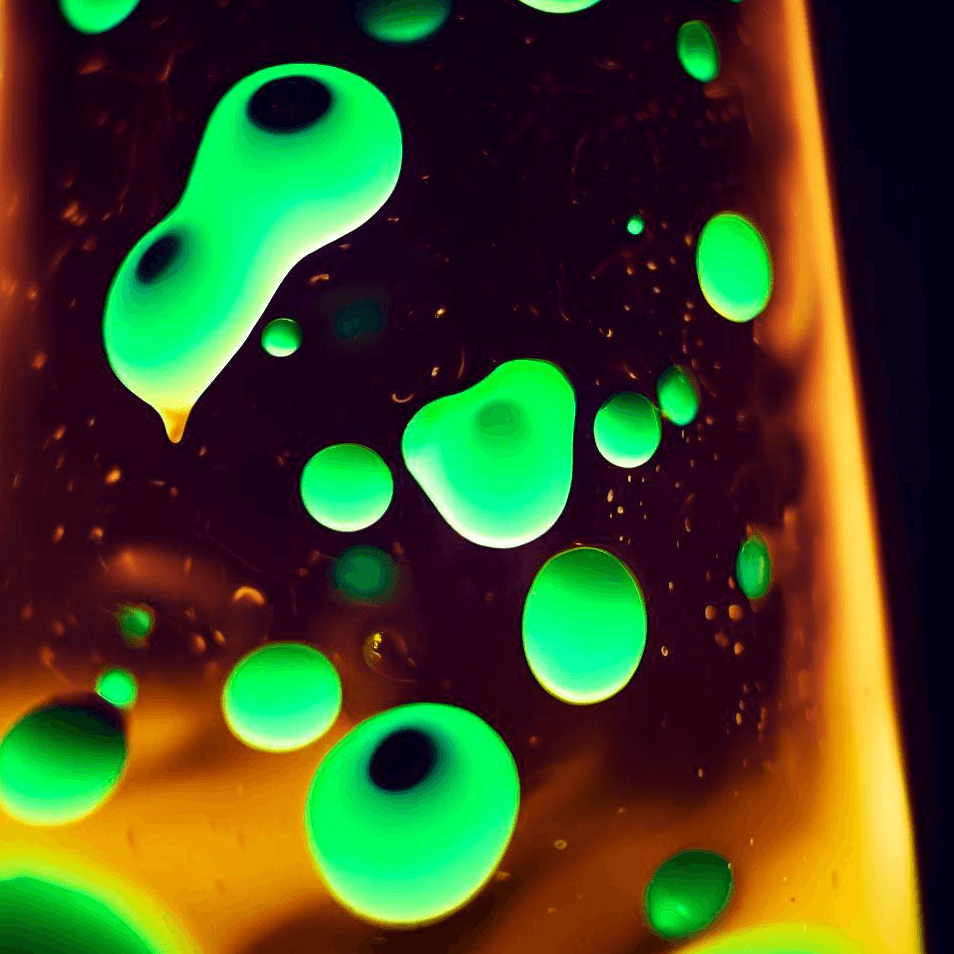
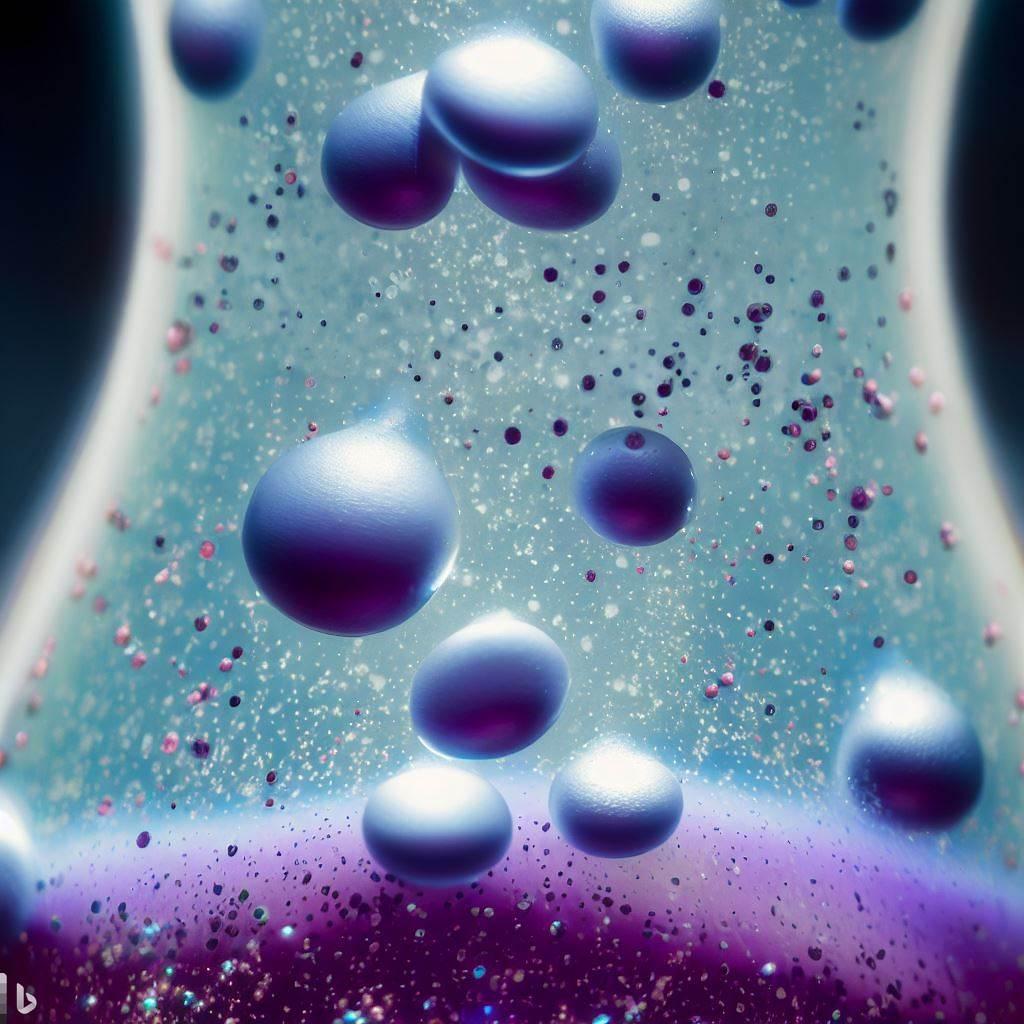
This slow-motion lava lamp runs on nothing but melting ice and the density difference between water and oil.
Hypothesis
The hypothesis is that when the colorful ice cubes melt in oil, they will create colorful water globules.
Ice is less dense than oil, so ice cubes float at the top of a jar of oil. As they melt, the colored water becomes liquid. Liquid water is denser than oil, so it sinks — swirling downward in streams through the oil below.
Ice is solid water. When it melts, it shifts to liquid — and that liquid behaves very differently from the solid it was. You freeze water with food coloring into ice cubes, then drop them into a clear jar of cooking oil. As the cubes melt, the colored water becomes liquid. Denser than oil, it sinks, and streams of color swirl downward through the jar.
Oil and water do not mix. They stay in separate layers. Ice cubes are less dense than oil, so they float at the top. As they melt, the colored water becomes liquid — and liquid water is denser than oil, so it sinks. Streams of color swirl downward through the oil, while the oil stays in its own layer above.
Method & Materials
You will freeze colorful ice cubes, fill a container with oil, and drop the ice cubes inside. As the ice cubes melt, observe the formation of colored water globules that move in a captivating manner.
You will need an ice cube tray, vegetable oil, food coloring, and a clear container.
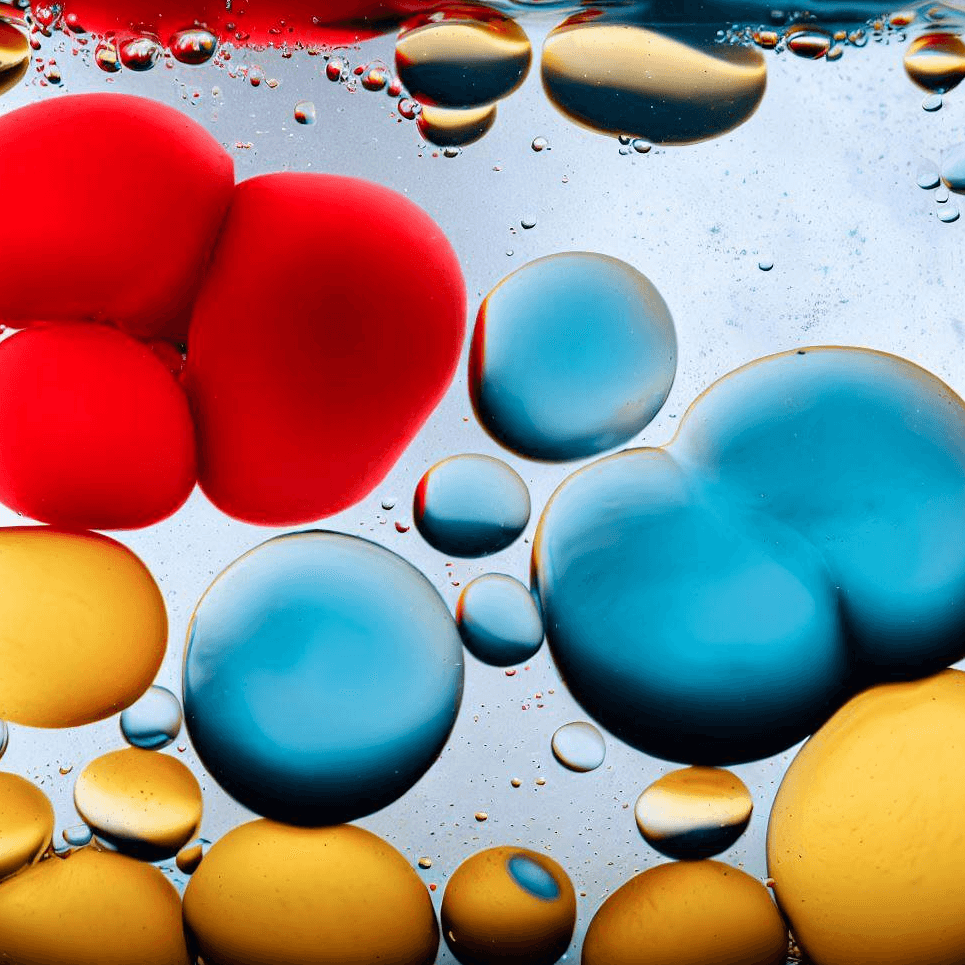
In this experiment, the ice cubes melt to form water globules that float in the oil, creating a mesmerizing display. An interesting observation is the water globules sink to the bottom of the oil, showcasing the difference in density between water and oil.
Why do this project?
This science project is fascinating because it combines art and science, allowing you to create a visually stunning display. The interaction between oil and water, as well as the melting process of the ice cubes from solid to liquid, adds an extra dimension to this project.
Also Consider
Use different color combinations for the ice cubes to observe how they mix and create new colors. Try using different types of oil and compare the effects on the movement of the water globules.
Full project details
Additional information and source material for this project are available below.
These videos explain the science behind this project and demonstrate key concepts used in the experiment.
Tucker explains the science behind the frozen lava lamp, and see what happens when he puts in an Alka-Seltzer tablet!
It’s mesmerizing to see the colored water blobs melt and sink to the bottom of the frozen lava lamp! This project also adds baby oil to vegetable oil. Do you think the baby oil layer will float or sink?