

Pre-Soaked Spaghetti and Cooking Time
Medium
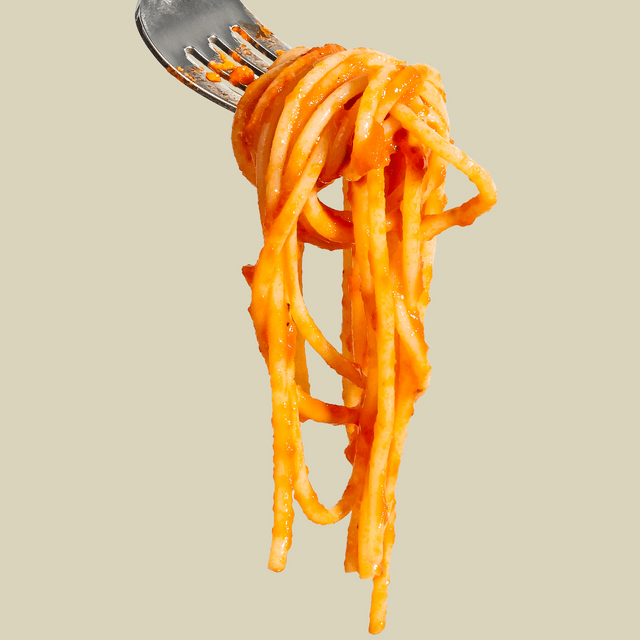
Can you cook spaghetti in just one minute? Dry pasta needs time to absorb water before it softens. Normally that happens during boiling. But if you soak the pasta ahead of time, it absorbs water without any heat.
You soak dry spaghetti in room-temperature water for a few hours. The noodles become flexible and pale. Then you drop them into boiling water for about one minute. They finish cooking almost instantly.
This method uses far less energy than traditional boiling. It also shows how rehydration (water absorption) is separate from the heat needed to finish cooking.
Hypothesis
The hypothesis is that by soaking pasta before cooking, it will rehydrate and cook faster, saving energy and water in the process.
Science Concepts Learned
Rehydration
Dry spaghetti absorbs water and returns to its soft, full size — and you can watch this happen without any heat at all. When you soak dry noodles in room-temperature water for two hours, they become flexible and pale as they take in water. As a result, the pasta finishes cooking in just one minute once it hits boiling water, because the absorption is already done.
Method & Materials
You will soak dry spaghetti in room-temperature water for two hours until it becomes soft. Then, you will heat your sauce and add the rehydrated pasta to cook for just a minute. Dinner is ready!
You will need dry spaghetti, room-temperature water, your favorite sauce, a pot, and a container to soak the pasta.
Tinker Crate — science & engineering build kits for ages 9–12 — real tools, real experiments, delivered monthly. (Affiliate link)
See what’s includedResults
By soaking the pasta and cooking it for a short time, the experiment shows that you can save energy and reduce your carbon footprint while still enjoying delicious pasta. An interesting observation is that the pasta changes color and becomes translucent after cooking.
Why do this project?
This science project is very interesting because it demonstrates a simple way to save energy when cooking pasta, contributing to a more sustainable lifestyle.
Also Consider
1) Soak the pasta for different durations to see how it affects the cooking time and texture. 2) Compare the energy consumption and water usage of boiling dry spaghetti versus cooking presoaked spaghetti.
Full project details
Additional information and source material for this project are available below.Related video
These videos explain the science behind this project and demonstrate key concepts used in the experiment.
Here's another way to quickly cook spaghetti! Does this method require less or more energy to cook the spaghetti compared to the one-minute spaghetti?
Share this Science Project:
Browse by Grade
Related Science Fair Project Ideas
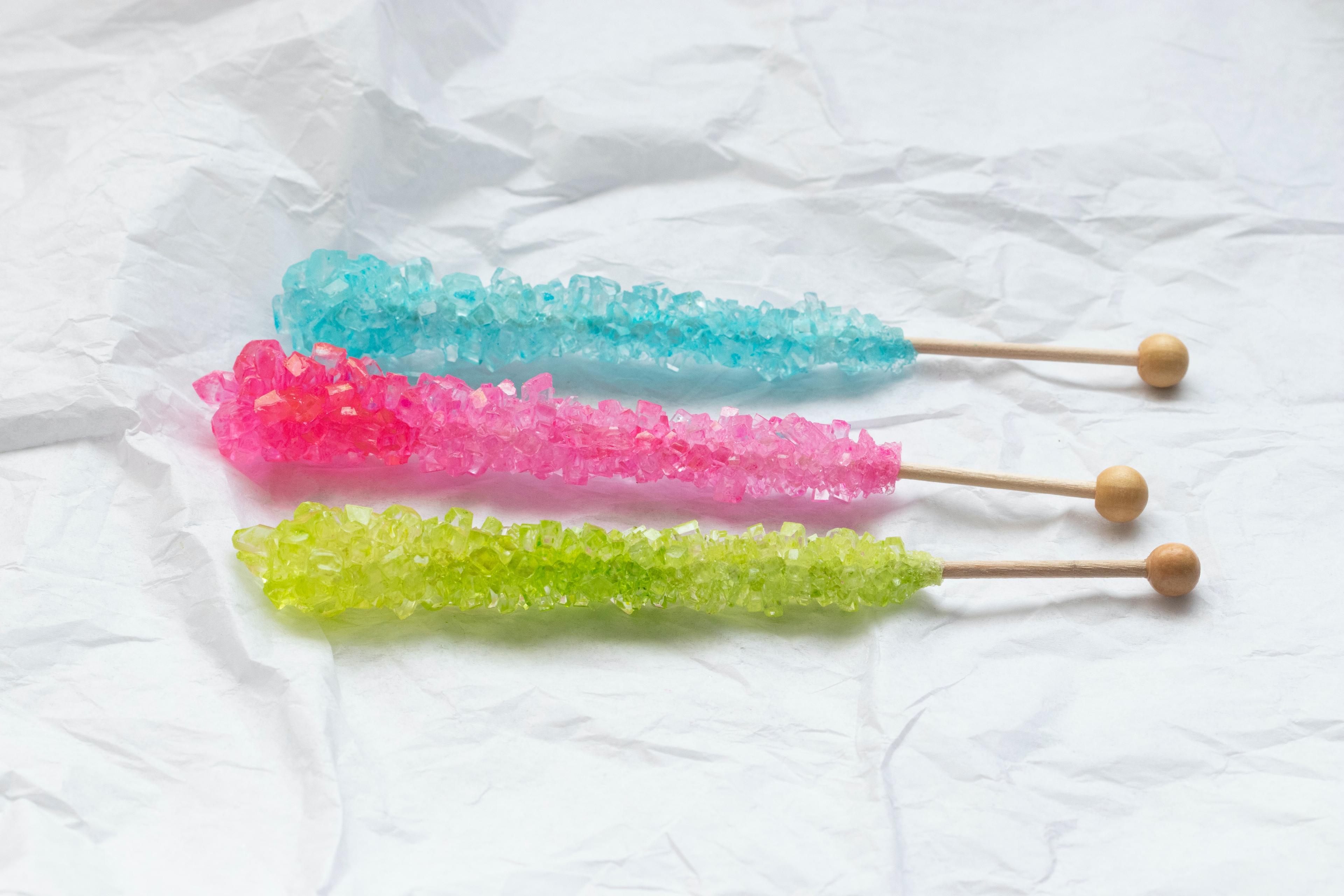
Grow giant sugar crystals on a string and watch a supersaturated solution turn back into solid rock candy.
Medium
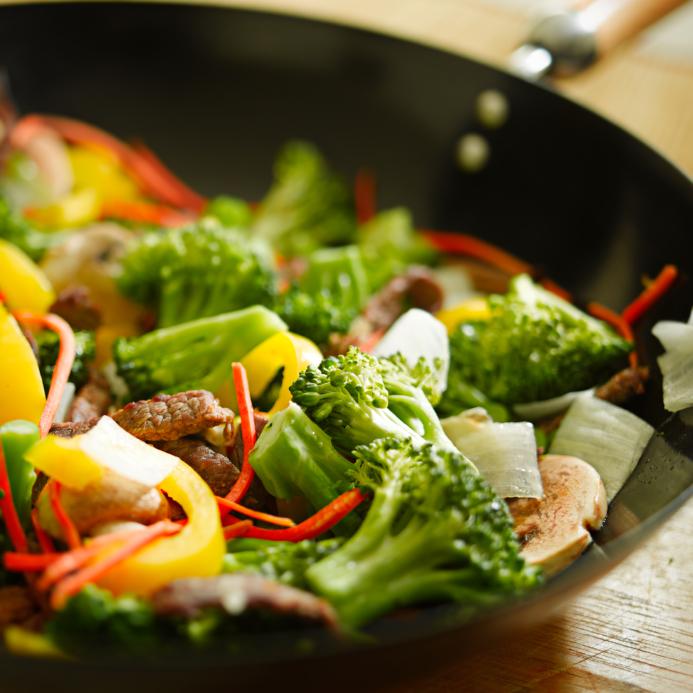
Test raw and cooked tomatoes and cherries with an iodine solution to discover whether cooking destroys or concentrates vitamin C.
Medium
Drop iodine into five cooking oils and time how fast the color disappears to reveal which one has the most saturated fat.
Medium
Share this Science Project: