

Hamster Alertness and Time of Day
Medium
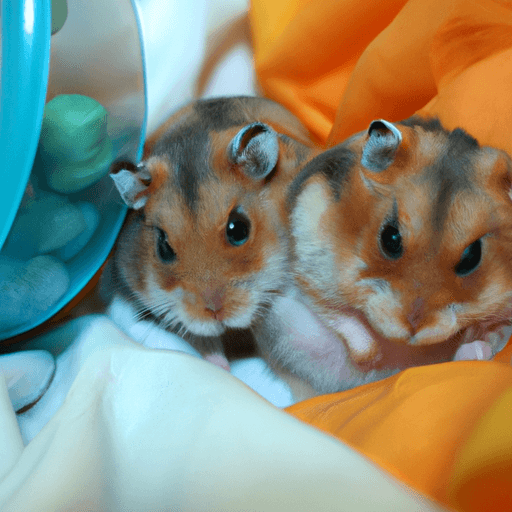
Does a hamster run a maze faster in the morning or the afternoon? Hamsters seem sleepy at some hours and wide awake at others. This project tests when they are most alert.
You build a simple maze and run the hamster through it four times a day. The runs span from early morning to late evening. You repeat this for three days and record each run.
The results may surprise you. The hamster in this study was fastest at 4 PM, not at night.
Hypothesis
The hypothesis is that the hamster will be more alert at night.
Science Concepts Learned
Circadian Rhythm
The body clock makes animals more alert at certain hours. Hamsters seem sleepy at some hours and wide awake at others. Running a hamster through a maze at four different times over three days reveals its peak alertness.
Method & Materials
You will borrow a hamster, build a maze, and time how long it takes the hamster to get through the maze at 8:00 AM, 12:00 noon, 4:00 PM, and 8:00 PM for three days.
You will need a hamster, a stopwatch, and materials to build a maze.
Tinker Crate — science & engineering build kits for ages 9–12 — real tools, real experiments, delivered monthly. (Affiliate link)
See what’s includedResults
After three days of testing, it was found that the hamster was most alert and able to negotiate the maze at 4:00 PM. The hamster was also asleep after his last round in the maze at 8:00 PM and had to be woken up at 8:00 in the morning.
Why do this project?
This science project is interesting because it shows that hamsters are similar to humans in terms of alertness and sleep patterns.
Also Consider
Experiment variations to consider include testing the hamster's alertness at different times of day, such as 6:00 AM and 10:00 PM, or testing the hamster's alertness in different mazes.
Full project details
Additional information and source material for this project are available below.Related video
These videos explain the science behind this project and demonstrate key concepts used in the experiment.
Share this Science Project:
Related Science Fair Project Ideas
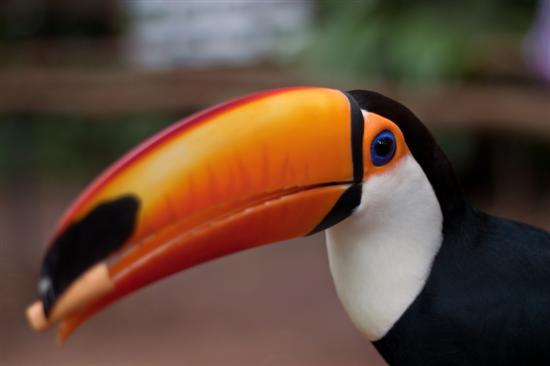
Match bird beaks to hardware store tools and use the tool's purpose to predict what each bird eats.
Medium
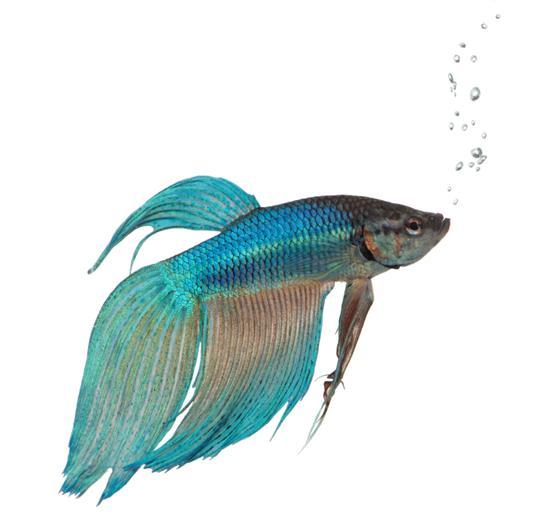
Show a betta fish its own reflection again and again to discover how quickly it stops flaring at the mirror.
Medium
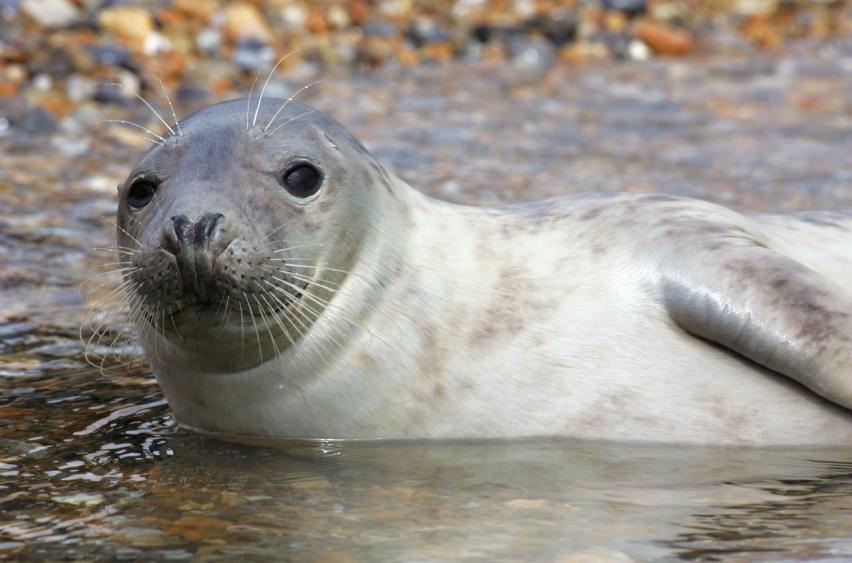
Pick any biome, find two species on different continents, and discover how the same environment can sculpt unrelated animals into near look-alikes.
Medium
Share this Science Project: