

Cardboard Box Egg Incubator
Medium

You can hatch eggs using two cardboard boxes and a light bulb. Even commercial hatcheries only hatch about 80% of their eggs. Expect closer to 50% success with a homemade setup.
You nest a smaller box inside a larger one and stuff newspaper between the walls for insulation. A light bulb or heating element provides warmth. A cake tin of water adds moisture. A plexiglass window on top lets you check progress without opening the lid.
The eggs need turning two to three times a day for proper development. Temperature and humidity must stay steady the entire time. You learn how heat and moisture work together to support a growing embryo.
Hypothesis
The hypothesis is that heat, moisture, and ventilation will affect the development of the chicken embryo in an incubator.
Science Concepts Learned
Incubation
Incubation means keeping eggs at a steady temperature and humidity so the embryo inside can develop. In this project, you build an incubator by nesting a smaller box inside a larger one with newspaper packed between the walls. That newspaper layer works as insulation, trapping warm air from a light bulb so the temperature stays even and the growing embryo gets the conditions it needs.
Method & Materials
You will construct an incubator using cardboard boxes, plexiglass, hardware cloth, a porcelain socket and light bulb, a cake tin, glue, tape, newspapers, wood shavings, styrofoam, and two brooding or incubator thermometers.
You will need two cardboard boxes, one pane of plexiglass, 1/4 mesh welded hardware cloth, one porcelain socket and light bulb or one commercial heating element, a cake tin, glue, masking or duct tape, newspapers, wood shavings, or styrofoam, and two brooding or incubator thermometers.
Tinker Crate — science & engineering build kits for ages 9–12 — real tools, real experiments, delivered monthly. (Affiliate link)
See what’s includedResults
This project teaches you how to construct an incubator and hatch eggs with the help of heat, moisture, and ventilation. It is important to note that even with all the specialized equipment, commercial hatcheries do not average more than an 80 percent hatch of all the eggs they incubate.
Why do this project?
This science project is unique because it teaches you how to construct an incubator and hatch eggs with the help of heat, moisture, and ventilation.
Also Consider
Experiment variations to consider include using different types of insulation materials, such as wood shavings or styrofoam, and using different types of heating elements, such as a porcelain socket and light bulb or a commercial heating element.
Full project details
Additional information and source material for this project are available below.Related video
These videos explain the science behind this project and demonstrate key concepts used in the experiment.
Share this Science Project:
Related Science Fair Project Ideas
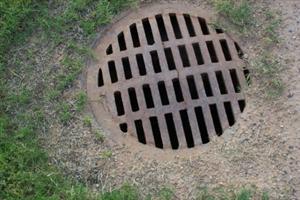
Pour water loaded with leaves, grass, soil, and plastic over flat and dome drain covers to see which one stays clear.
Medium

Build three model bridges with different side coverings and measure which one tilts the most in crosswind from a fan.
Medium

Drop a sandbag into a water tank to create a wave and measure whether a wall or an artificial mangrove swamp blocks it better.
Medium
Share this Science Project: