

Soil Porosity and Hidden Water Storage
Easy
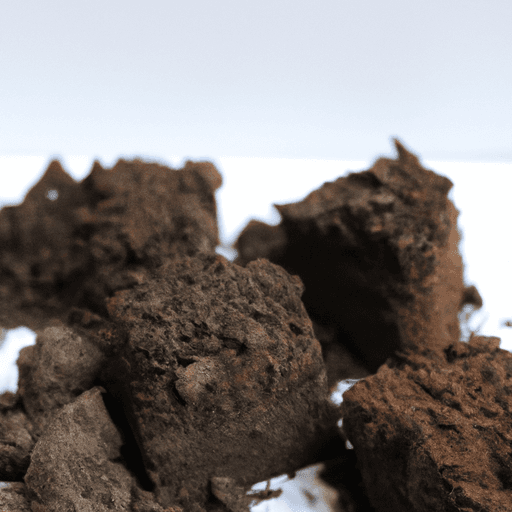
How much water hides in the tiny gaps between grains of soil? Every handful of dirt has small spaces called pores between its particles. These pores store the groundwater that many communities drink.
You fill a beaker with dry soil or sand up to the 500 ml mark. Then you slowly pour water from a second beaker into the soil. You stop when water reaches the top of the soil. The soil is now saturated (completely full of water).
Check how much water is left in the second beaker. The difference tells you the volume of pore space. From that, you can calculate the porosity (percentage of empty space) in your soil sample.
Hypothesis
The hypothesis is that different types of soil will have different levels of porosity.
Science Concepts Learned
Soil Porosity
Not all soils hold the same amount of water. This project tests that idea by slowly pouring water into a beaker of dry soil until the soil reaches saturation — completely full of water. The volume of water the soil absorbed tells you the volume of pore space, and from that you can calculate porosity.
Groundwater
Groundwater fills the pores — tiny gaps between grains of soil and rock. Pour water into dry soil and it soaks in, filling those spaces. When all the pores hold water, the soil is saturated.
Method & Materials
You will fill a beaker with soil, fill another beaker with water, and slowly pour the water into the soil until it reaches saturation.
You will need two 500 ml beakers, water, and a dry soil sample or sand.
Tinker Crate — science & engineering build kits for ages 9–12 — real tools, real experiments, delivered monthly. (Affiliate link)
See what’s includedResults
The experiment showed that different types of soil have different levels of porosity. The most interesting observation was that the porosity of the soil sample was directly related to the amount of water it could hold.
Why do this project?
This science project is interesting because it shows how the tiny spaces between soil particles can affect the amount of water that can be stored in the soil.
Also Consider
Experiment variations to consider include testing different types of soil, such as clay, sand, and silt, and testing different amounts of water.
Full project details
Additional information and source material for this project are available below.Related video
These videos explain the science behind this project and demonstrate key concepts used in the experiment.
Share this Science Project:
Related Science Fair Project Ideas
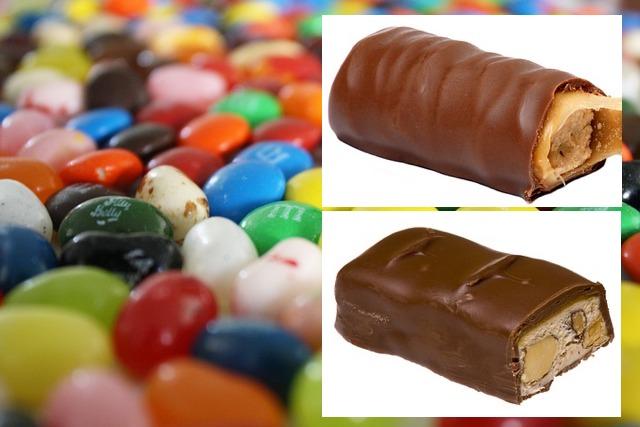
Cut open different candies and classify them as rock or mineral models based on what the inside looks like.
Easy
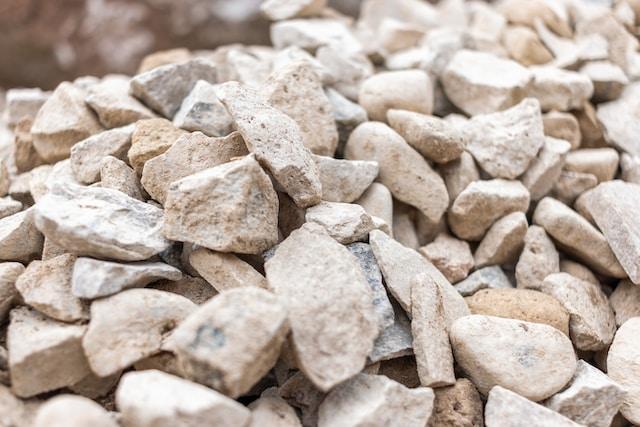
Drop vinegar on a rock and watch for fizzing bubbles that reveal hidden calcite inside.
Easy
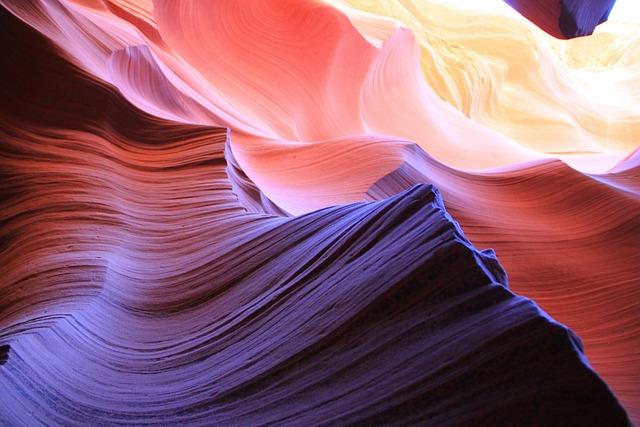
Blow sand into dunes and drag ice across clay to see how different forces erode the land.
Easy
Share this Science Project: