

Plaster of Paris Fossils
Easy
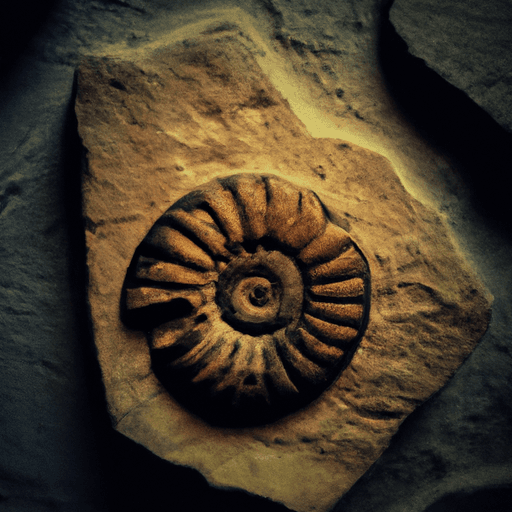
How do fossils form inside rock? Real fossils take millions of years, but you can simulate the process in one afternoon. You press a leaf or shell into wet plaster of Paris and let it harden. When you peel the leaf away, an imprint stays behind. This is how many real fossils formed: an organism left its shape in mud that slowly turned to stone. You can try different objects like shells or small animal models to see how detail changes with shape.
Hypothesis
The hypothesis is that you can make a fossil using plaster of paris, sea shells, leaves, water, and petroleum jelly.
Method & Materials
You will mix plaster of paris and water, spread it on cardboard, coat a leaf with petroleum jelly, and press it into the plaster. Allow the plaster to dry and then remove the leaf to reveal your fossil.
You will need plaster of paris, sea shells, leaves, water, cardboard, and petroleum jelly.
Kiwi Crate — hands-on STEAM project kits for ages 6–9, delivered monthly. (Affiliate link)
See what’s includedResults
After completing this project, you will have a unique fossil that you made yourself. You will have a better understanding of how fossils form and the special conditions needed for them to form.
Why do this project?
This science project is interesting and unique because it allows you to make something that lived millions of years ago.
Also Consider
Experiment variations to consider include using different types of leaves or sea shells, or using different types of plaster.
Full project details
Additional information and source material for this project are available below.Related video
These videos explain the science behind this project and demonstrate key concepts used in the experiment.
Share this Science Project:
Browse by Grade
Featured In
Related Science Fair Project Ideas
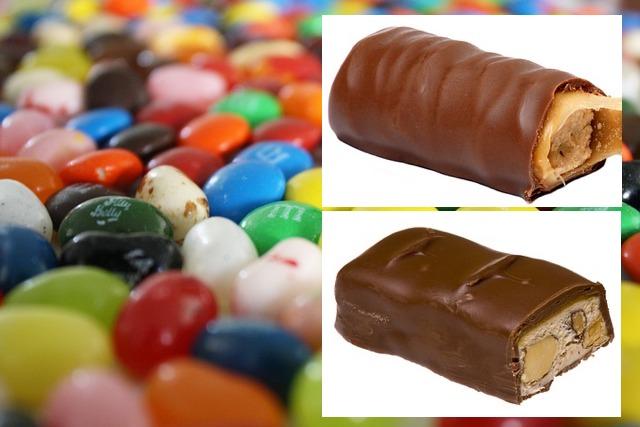
Cut open different candies and classify them as rock or mineral models based on what the inside looks like.
Easy
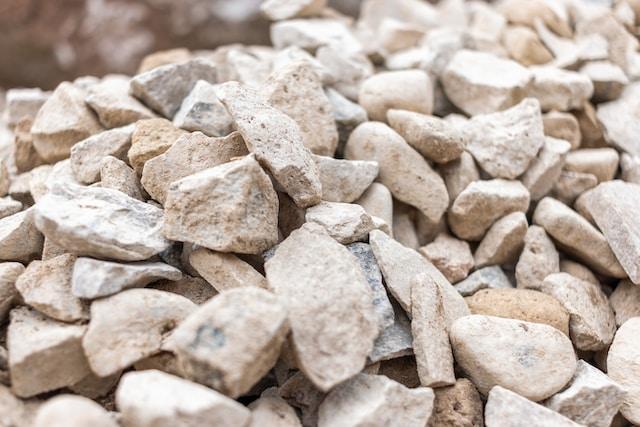
Drop vinegar on a rock and watch for fizzing bubbles that reveal hidden calcite inside.
Easy
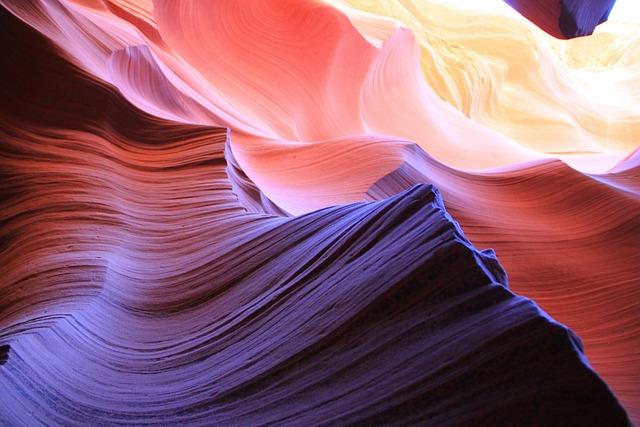
Blow sand into dunes and drag ice across clay to see how different forces erode the land.
Easy
Share this Science Project: