

Sand Particle Size and Brick Strength
Hard
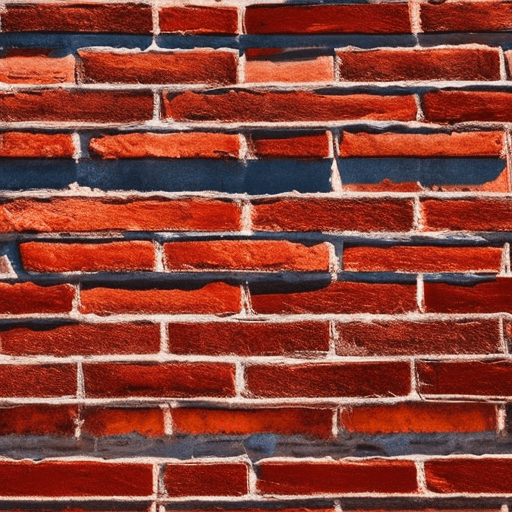
Does coarse sand or fine sand make a stronger brick? The size of the sand particles mixed into cement changes how the finished brick holds together.
You mix two batches of bricks. One uses large #8 silica sand. The other uses fine #30 silica sand. Both get the same amount of Portland cement and water. After three days of curing you run three tests:
- a drop test from eight feet
- a hanging weight test
- a compression test with a soil lab machine
The larger #8 sand produced stronger bricks in nearly every test. Under compression the #8 bricks averaged 6,610 kg before cracking. The #30 bricks averaged only 4,281 kg.
Hypothesis
The hypothesis is that the larger size of sand will make the strongest brick.
Science Concepts Learned
Compressive Strength
Sand particle size turns out to matter more than you might expect. When you mix Portland cement with large #8 silica sand, the finished bricks averaged 6,610 kg under compression before cracking. Switch to fine #30 sand — same cement, same water — and that number drops to just 4,281 kg. The coarser particles change how well cement resists being squeezed together, and the compression tester makes that difference concrete.
Method & Materials
You will make bricks using two different sizes of sand, then test them for durability, weight, and compression.
You will need 4,536 kg of #8 and #30 silica, 4,536 kg of Portland cement, 9,072 cc of water, a wheelbarrow, a shovel, a mold, a small can of oil, 4,536 kg of weights, a bucket, and a compressive strength tester.
Eureka Crate — engineering & invention kits for ages 12+ — monthly projects that build real-world skills. (Affiliate link)
See what’s includedResults
The results showed that the larger size of sand (#8) was stronger than the smaller size (#30) in all tests except for one. The average strength of the #8 silica was 6,610 kilograms in the Compression Test, while the #30 silica was only 4,280.6 kilograms.
Why do this project?
This science project is interesting because it shows how the size of sand used to make bricks can affect the strength of the bricks.
Also Consider
Variations to consider include testing three different types of the same kind of brick to find out which is the strongest, and testing the bricks to see which one holds the most water or moisture.
Full project details
Additional information and source material for this project are available below.Related video
These videos explain the science behind this project and demonstrate key concepts used in the experiment.
Share this Science Project:
Related Science Fair Project Ideas
Soak aluminum plates in salt solution at five different temperatures and find the point where corrosion begins to appear.
Hard

Run the same vapor deposition process at six furnace temperatures and find the exact threshold where gallium oxide nanowires appear.
Hard
Drop a weight onto three bicycle helmets at different price points and compare pressure gauge readings to see if cost equals protection.
Hard
Share this Science Project: