

Motor Oil, Milk, Lignin Sulfonate, and Daphnia Survival
Hard
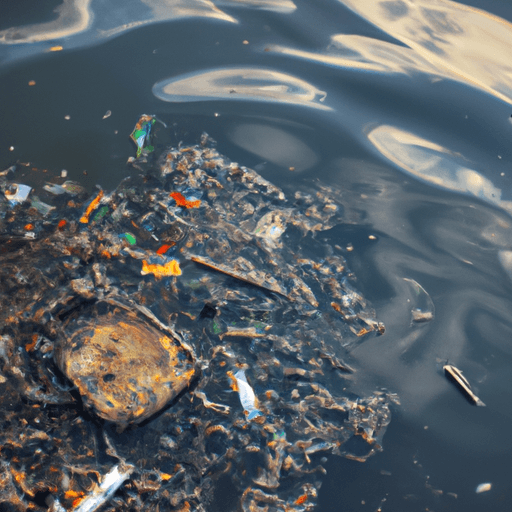
Which common pollutant kills tiny water creatures the fastest? Three substances end up in waterways all the time:
- motor oil
- milk
- lignin sulfonate (a wood pulp byproduct)
You set up cups of water with daphnia pulex (tiny freshwater crustaceans). Each cup gets a different concentration of one pollutant. Air pumps keep the water oxygenated. After 24 and 48 hours you count how many daphnia survived. A second round uses lower concentrations. A third round tests long-term exposure over seven days.
Motor oil was the most lethal pollutant. Lignin sulfonate ranked second. Milk was the least harmful of the three.
Hypothesis
The hypothesis is that all the pollutants will be most toxic at the highest concentrations, and that motor oil will be the most harmful pollutant.
Science Concepts Learned
Toxicity
Not all pollutants cause the same level of harm. In this experiment, daphnia pulex — tiny freshwater crustaceans — were exposed to motor oil, milk, and lignin sulfonate across several concentrations. After 24, 48, and 168 hours, survival counts told a clear story: motor oil was the most lethal of the three, lignin sulfonate ranked second, and milk was the least harmful. The same concentration of different substances can kill at very different rates.
Method & Materials
You will set up an experiment with different concentrations of pollutants, add aquatic creatures, and observe the effects of the pollutants on the creatures.
You will need 8 meters 5mm aquarium air tubing, 5 aquarium air pumps, 5 gang valve assemblies, 5 plastic tee connectors, 120 Discard-A-Stone air diffusers, 26 tubing nipples, 16 liters Ultra-pure water, 1.536g Sodium Bicarbonate, 0.96g Hydrated Calcium Sulfate, 0.96g Magnesium Sulfate, 0.064g Potassium Chloride, 1200 Neonate daphnia pulex, 500mL Distilled water, 1 Triple beam gram scale, 6.3grams Finely ground trout chow, 2.6 grams Dried yeast, 0.5 grams Dried alfalfa, 2 3.78L glass jars, 293.50mL Milk, 197.50mL Motor oil, 197.50mL Lignin sulfonate, 1 50mL graduated cylinder, 1 1000mL graduated cylinder, 5 1mL syringes, 1 Eyedropper, 1 White plate, 2 White plastic spoons, 1 Hole Punch, and 1 Pair scissors.
Eureka Crate — engineering & invention kits for ages 12+ — monthly projects that build real-world skills. (Affiliate link)
See what’s includedResults
The results of this experiment showed that the different pollutants did indeed have a negative effect on the daphnia pulex. The most lethal pollutant was oil, followed by lignin sulfonate and milk.
Why do this project?
This science project is interesting and unique because it tests the effects of different pollutants on aquatic life, and it uses different concentrations of pollutants to see how they affect the life of aquatic creatures.
Also Consider
Experiment variations to consider include testing different pollutants, testing different concentrations of pollutants, and testing different aquatic creatures.
Full project details
Additional information and source material for this project are available below.Related video
These videos explain the science behind this project and demonstrate key concepts used in the experiment.
Share this Science Project:
Related Science Fair Project Ideas
Collect tap water from five old houses with lead pipes and five new houses with PVC, then send all ten samples to a lab for lead testing.
Hard
Collect lake water at four depths and test for acidity, cloudiness, ammonia, and nitrates to map how pollution changes below the surface.
Hard
Push bacteria and viruses through packed soil columns to find out whether agricultural soil can protect groundwater from contamination.
Hard
Share this Science Project: