

Polymers Against Soil Erosion
Medium
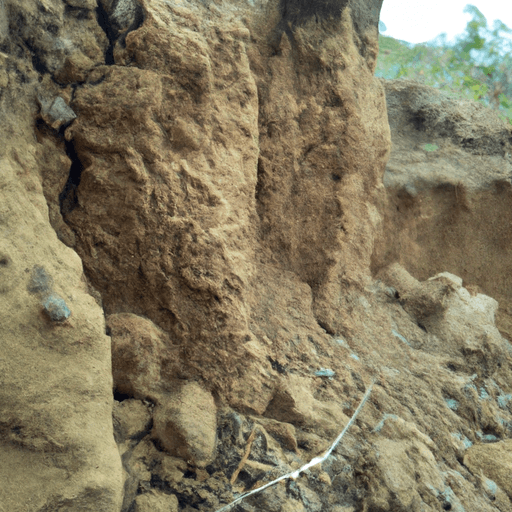
A handful of powder might be enough to stop a hillside from washing away. Soil erosion strips nutrients from farmland and clogs waterways. Two water-absorbing polymers might help hold soil in place:
- polyacrylamide
- polyacrylate
You fill eleven trays with equal amounts of dirt. Five trays get increasing amounts of polyacrylamide. Five get increasing amounts of polyacrylate. One tray gets no polymer at all. You tilt each tray at an angle and pour 100 mL of water through it daily for five days. Then you measure how much soil washed out.
Polyacrylate performed better at every amount tested. The untreated tray lost the most soil by far.
Hypothesis
The hypothesis is that polyacrylate will be the most effective at halting erosion.
Science Concepts Learned
Soil Erosion
When water flows over bare ground, it strips away the top layer of soil and carries nutrients with it — that is soil erosion in action. Water-absorbing polymers can slow this process by holding soil particles in place, reducing how much the wind or water can carry off. In one test, an untreated tray lost the most soil by far, while trays treated with polyacrylate kept more dirt from washing away at every amount of water tested.
Method & Materials
You will fill eleven trays with dirt, measure out polyacrylamide and polyacrylate, spread it out evenly, and then run water through the trays for five days.
You will need eleven trays, 227.25 grams of dirt, polyacrylamide, and polyacrylate.
Eureka Crate — engineering & invention kits for ages 12+ — monthly projects that build real-world skills. (Affiliate link)
See what’s includedResults
The results showed that polyacrylate was the most effective at halting erosion. The tray with no polymers had the most erosion.
Why do this project?
This science project is interesting because it shows how polymers can be used to halt soil erosion.
Also Consider
Variations to consider include using different amounts of polymers or different types of soil.
Full project details
Additional information and source material for this project are available below.Related video
These videos explain the science behind this project and demonstrate key concepts used in the experiment.
Share this Science Project:
Related Science Fair Project Ideas
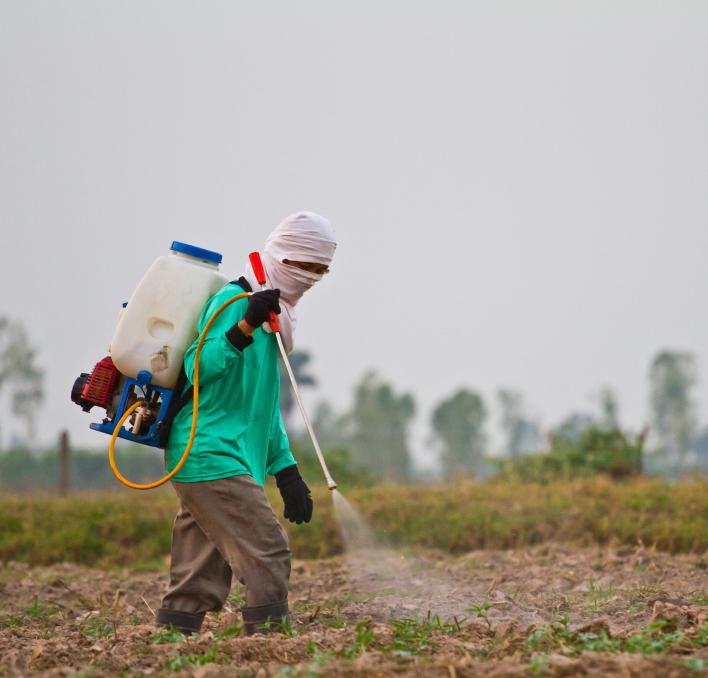
Spray plants with three homemade kitchen-ingredient solutions and compare their protection to a chemical pesticide.
Medium
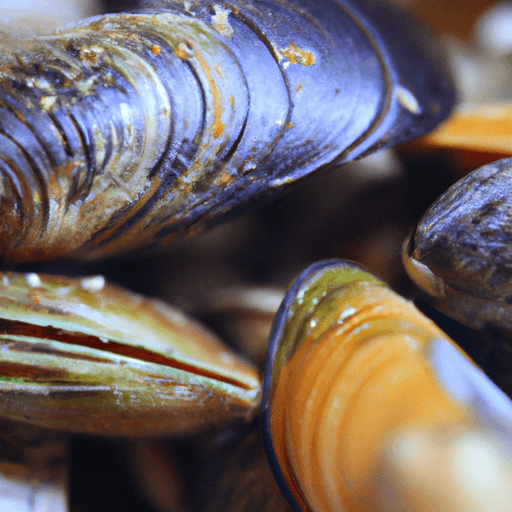
Collect zebra mussels from three lakes of different acidity and test whether the most acidic water produces the weakest shells.
Medium
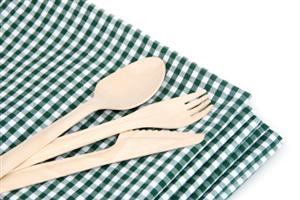
Bury three types of spoons in soil for 30 days and weigh them to find out which ones actually decompose.
Medium
Share this Science Project: