

Hair Shade and Heat Insulation
Medium
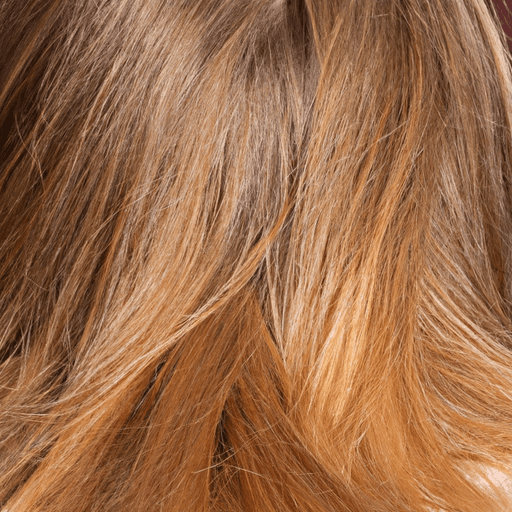
Can the shade of your hair change how well it holds heat? Hair acts as insulation on the human body. The shade of that hair may change how well it works. This project measures the difference with a heat lamp and a thermometer.
You collect dark and light hair from a barber shop. You weigh out equal amounts and place each batch in a separate paper bag. Set the bags the same distance from a heat lamp and record the temperature every two minutes for ten minutes.
Repeat the test with three different weights of hair. The bags with dark hair consistently reach higher temperatures. Dark shades absorb more heat energy from the lamp than light shades do.
Hypothesis
The hypothesis is that darker shaded hair will insulate better than light shaded hair.
Science Concepts Learned
Heat Absorption
Dark materials soak up more warmth from a heat source than light materials do. When equal weights of dark and light hair sit under a heat lamp, the dark hair reaches higher temperatures. The shade of a surface changes how much heat energy it absorbs.
Method & Materials
You will measure 20, 40, and 60 grams of dark and light shaded hair and place them in separate paper bags. Then, you will place the bags in front of a heat lamp and record the temperatures at two minute intervals for ten minutes.
You will need hair from a barber shop, paper bags, a heat lamp, and thermometers.
MEL Physics — hands-on physics experiment kits delivered monthly — real experiments, not just reading. (Affiliate link)
See what’s includedResults
The results showed that the bags containing the dark hair created the greatest temperatures, while the bags containing the light hair created the lowest temperatures. This supports the hypothesis that darker shaded hair insulates better than light shaded hair.
Why do this project?
This science project is interesting because it shows how something as simple as hair color can have an effect on how well it insulates.
Also Consider
Variations to consider include testing different shades of hair, testing different lengths of hair, or testing different types of hair (curly, straight, etc.).
Full project details
Additional information and source material for this project are available below.Share this Science Project:
Related Science Fair Project Ideas

Drop food coloring into three jars of different temperature water and watch the color spread at wildly different speeds.
Medium
Burn equal pieces of oak, maple, cedar, and pine under water to discover which wood type produces the most heat.
Medium
Compare water in a wide plate versus a narrow glass, sun versus shade, and fan versus still air to see what speeds up evaporation.
Medium
Share this Science Project: