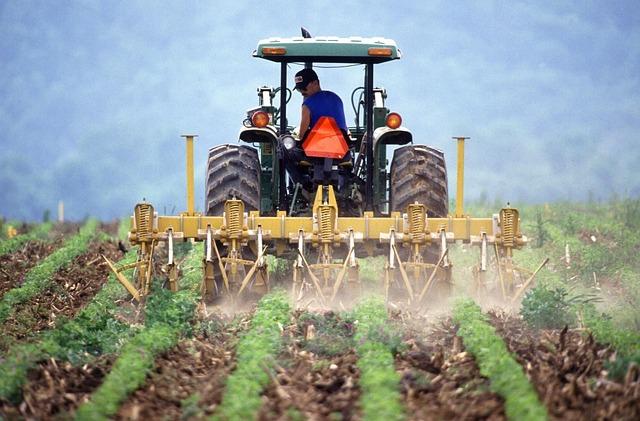
How does farming change soil quality compared to an untouched forest? You collect surface samples from three sites. One is a forest. One is a conventionally farmed field. One is a field treated with compost.
In the field you observe structure and color. You check texture and earthworm activity. Back at the lab, you dry and sieve each sample. Then you test pH with a calibrated pen. A soil testing kit measures nitrogen and phosphorus. You also test for potassium.
The forested soil had the darkest color and the most earthworms. The conventionally farmed soil was lighter and had surface crusting. It showed higher nitrogen from added fertilizer.
Hypothesis
The hypothesis is that the quality of soil will be affected by the use of conventional farming.
Soil composition varies depending on where you collect samples, and farming practices can shift that composition significantly. You gather surface samples from three sites — a forest, a conventionally farmed field, and a field treated with compost — and observe structure, color, texture, and earthworm activity in the field. Back in the lab, you dry and sieve each sample, then test pH, nitrogen, phosphorus, and potassium. The forested soil comes out darkest with the most earthworm activity. The conventionally farmed soil is lighter, shows surface crusting, and registers higher nitrogen from added fertilizer. The differences across these three sites map directly onto how farming changes the rock bits, organic matter, and biological life that make up the soil.
Soil nutrients are the food in the dirt — nitrogen, phosphorus, and potassium — that feed plants and support their growth. Farming practices change how much of this food the soil holds. Comparing forest, farm, and compost-treated soils shows that conventional farming raises nitrogen levels through added fertilizer but may reduce overall soil health.
Method & Materials
You will find three soils of the same soil type, observe soil properties, collect samples, dry them, sieve them, and test them for pH, nitrogen, phosphorus, and potassium.
You will need a LaMotte Soil Testing kit, a pH pen and buffers, a Munsell soil color book, a scale, a trowel, a sieve, 100 mL beakers, 100 mL graduated cylinder, and distilled water.
Eureka Crate — engineering & invention kits for ages 12+ — monthly projects that build real-world skills. (Affiliate link)
Our results showed that the quality of soil was affected by the use of conventional farming. The pH levels and the levels of nitrogen, phosphorus, and potassium were different in each soil. The bulk density was also different for each soil.
Why do this project?
This science project is interesting because it shows how soil management affects soil quality in a tangible way. It also shows how different soil properties can be measured and compared.
Also Consider
Experiment variations to consider include testing for other soil properties such as organic matter content, earthworm activity, and soil structure. Another variation is to compare soils from different soil types.
Full project details
Additional information and source material for this project are available below.