Carrot Decomposition in Different Soils
Hypothesis
Science Concepts Learned
Soil contains huge populations of microorganisms — tiny living things too small to see without a microscope. In this experiment, these invisible decomposers break down buried carrot pieces at different speeds depending on temperature and moisture. Some work with oxygen. Others are anaerobic bacteria that work without oxygen and can decompose food just as fast.
Germs and fungi break down food scraps, but cold slows them down. Bury carrot pieces in soil at different temps to see how fast they rot.
Composting needs the right mix of heat and water. Bury carrot pieces in bags of soil. Keep one bag warm and one cold, or one wet and one dry. Weigh the carrots after a few days. Cold slows the process. Too much water makes a bad smell because different bugs take over. You learn what helps soil life break down food scraps faster.
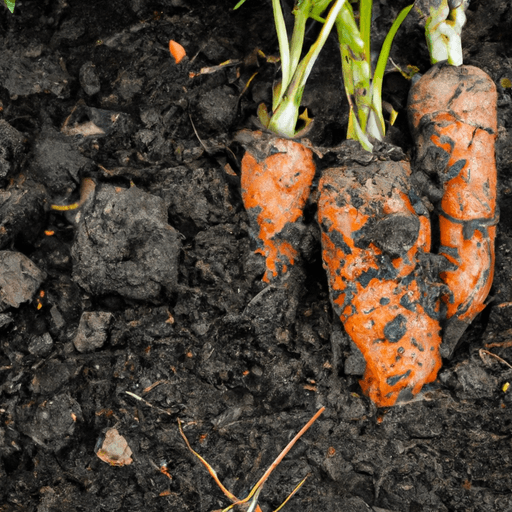
Cold temperatures slow decomposition, so food breaks down into soil at different speeds depending on its environment. To measure this, bury carrot pieces in sealed plastic bags with potting soil. Set up one bag as the experimental chamber and one as the control, then change a single condition between them, such as temperature or soil moisture. Weigh the carrots before and after to see how much has broken down.
When soil gets waterlogged, oxygen disappears from the spaces between soil particles. Anaerobic bacteria — microbes that work without oxygen — take over in these conditions, breaking down organic matter where aerobic decomposers cannot survive. As a result, waterlogged soil may produce a foul smell. That smell is the sign of anaerobic bacteria at work. These tiny living things can break down carrot pieces just as fast as aerobic ones that need oxygen to function.
Method & Materials
Tinker Crate — science & engineering build kits for ages 9–12 — real tools, real experiments, delivered monthly. (Affiliate link)
See what’s includedResults
Why do this project?
Also Consider
Full project details
Additional information and source material for this project are available below.Related videos
Browse by Grade
Featured In
Related Science Fair Project Ideas