What decides whether a trait is dominant or recessive? Every chromosome carries genes at specific spots called loci. Each gene has at least two versions called alleles (different forms of the same gene).
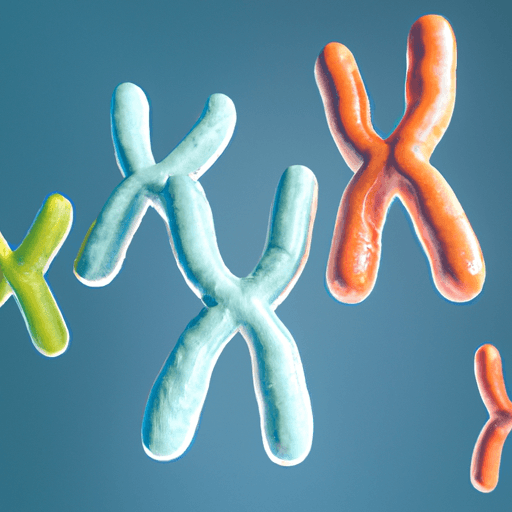
You draw a chromosome on paper in the typical X shape. Then you mark loci along it and invent fictional genes. Each gene gets at least two alleles. You label each pair as dominant-recessive or co-dominant (where both alleles show equally).
The finished drawing shows how allele combinations determine which traits appear. You predict what happens when someone inherits one dominant and one recessive copy.
Hypothesis
The hypothesis is that by designing a fictitious chromosome and marking genes on it, students will gain a better understanding of the link between genes and chromosomes and reinforce the concepts of dominant and recessive genes, incompletely dominant genes and co-dominant genes.
Every chromosome carries genes at specific spots called loci, and each gene comes in at least two versions called alleles. When you pair a dominant allele with a recessive one, the dominant trait shows up while the recessive stays hidden. You mark loci on a drawn chromosome and label each allele pair as dominant-recessive, which lets you predict what happens when someone inherits one of each.
Every gene sits at a specific spot on a chromosome, and alleles are the different versions of that gene. You draw a chromosome on paper, then draw lines across it to mark the spots where genes sit. At every spot, you design at least two versions of each gene — showing how different allele pairs produce different visible traits.
Every chromosome carries genes at specific spots called loci, and each gene comes in at least two versions called alleles. Drawing a chromosome and marking these loci along it shows how tiny threads inside cells organize the instructions for traits. When you predict what happens after someone inherits one dominant and one recessive copy, you see how genes on chromosomes shape the way living things look.
When you label allele pairs on your fictitious chromosome, some get marked as co-dominant, meaning both alleles show equally. Unlike a dominant-recessive pair where one allele hides the other, co-dominant alleles both show up fully at the same time in the offspring. Your finished drawing helps you see why an organism with two co-dominant alleles displays both traits together rather than a blend or one trait winning out.
Method & Materials
You will draw a chromosome on paper and draw lines across the chromosome to mark loci. Design a fictitious chromosome, marking genes on it which some people have and some do not. Each gene on your chromosome must have at least two alleles, which you must mark and label on the drawing.
You will need unlined paper, pencils, a drawing of a chromosome showing the shape, and optional materials such as cartoons showing fictional genes on the X and Y chromosomes, colored pens or pencils, and other art supplies.
Eureka Crate — engineering & invention kits for ages 12+ — monthly projects that build real-world skills. (Affiliate link)
Through this project, students will gain a better understanding of the link between genes and chromosomes and reinforce the concepts of dominant and recessive genes, incompletely dominant genes and co-dominant genes. They will also be able to observe what happens when the gene is dominant or recessive, and when the progeny receives one copy of a dominant allele and one copy of the recessive allele.
Why do this project?
This science project is interesting and unique because it allows students to explore the concepts of dominant and recessive genes, incompletely dominant genes and co-dominant genes in a creative and engaging way.
Also Consider
Experiment variations to consider include exploring the effects of different alleles on the chromosome, or exploring the effects of different combinations of alleles on the chromosome.
Full project details
Additional information and source material for this project are available below.