Catalase Reaction Rate in Liver and Potato
Hypothesis
Science Concepts Learned
Catalase, found in living tissues like liver and potato, triggers a rapid fizzing reaction when it meets hydrogen peroxide, producing oxygen gas. To measure how fast this happens, you place a small amount of liver or potato extract in a test tube, pour in diluted hydrogen peroxide, and immediately start timing. The reaction creates a rising column of froth, and the reaction rate equals froth height divided by time. Keeping the extract on ice before use helps preserve the enzyme. When you test variables like temperature, you can see directly how changing conditions alter the speed of this enzyme-driven process.
Hydrogen peroxide decomposition is the breakdown of hydrogen peroxide into water and oxygen gas. Living tissues contain the enzyme catalase, which triggers this reaction rapidly. When catalase from liver or potato meets hydrogen peroxide, the oxygen gas released produces a rising column of froth as it escapes.
Reaction rate — how fast a chemical change happens — can be measured by tracking a visible result over time. The enzyme catalase triggers a rapid fizzing reaction that produces oxygen gas when it meets hydrogen peroxide. You measure the rising column of froth with a ruler and divide that height by time. That ratio gives you the reaction rate.
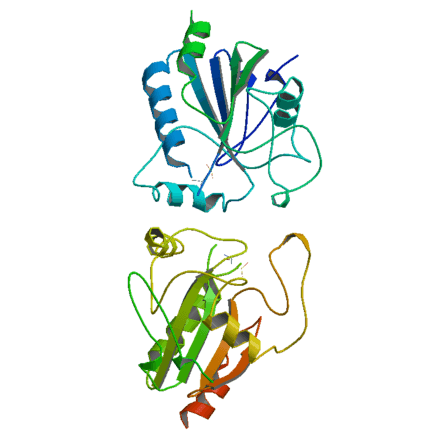
Catalase is a protein that breaks down hydrogen peroxide into water and oxygen gas. In liver and potato tissue, this reaction happens fast enough to produce visible fizzing. You can measure how quickly this protein works by tracking the rising column of froth over time.
Heat changes the speed of enzymes, the helpers that run reactions in living things, and you can measure that speed directly. Catalase in liver and potato breaks down hydrogen peroxide in a rapid fizzing reaction that produces oxygen gas. Dividing the froth height by time gives the reaction rate, and testing at different temperatures reveals how heat speeds up or slows down this enzyme.
Method & Materials
Eureka Crate — engineering & invention kits for ages 12+ — monthly projects that build real-world skills. (Affiliate link)
See what’s includedResults
Why do this project?
Also Consider
Full project details
Additional information and source material for this project are available below.Related Science Fair Project Ideas