Can ultraviolet light kill bacteria in creek water? Cities have considered UV treatment as a way to purify water. This project tests how UV exposure time and lamp intensity affect bacteria colonies.
You collect water samples from a local creek. You expose the water to a UV lamp and take samples at four time points up to 24 hours. Each sample goes to a microbiology lab for incubation. After 24 hours you count the bacteria colonies.
With a low-wattage lamp, bacteria decreased at first but then rose above the original count. A higher-intensity lamp produced steady decline throughout the full 24 hours. The formula E = W / D-squared explains why lamp power and distance both matter.
Hypothesis
The hypothesis is that ultra-violet light will decrease the number of bacteria colonies in water.
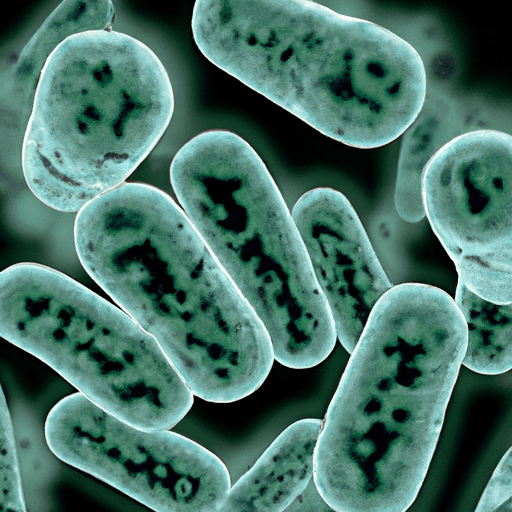
Each colony on an incubated plate represents a viable cell that survived UV exposure, so the count tells you directly how effective the treatment was. You collect water samples from a local creek, expose them to a UV lamp, and pull samples at four time points over 24 hours. Each sample goes to a microbiology lab for incubation and counting. With a low-wattage lamp, bacteria decreased at first but then rose above the original count. A higher-intensity lamp produced a steady decline throughout the full 24 hours — consistent with the formula E = W / D-squared, which explains why both lamp power and distance matter.
Incubation provides the warmth, moisture, and air that let living cells grow large enough to observe. In this experiment, creek water samples go to a microbiology lab for incubation, where they are held at a controlled temperature so bacteria multiply into visible colonies. After 24 hours, researchers count those colonies to measure how well UV light reduced the bacterial population.
A UV lamp can disinfect creek water, but its strength determines how well it works. With a low-wattage lamp, bacteria decreased at first — then rose above the original count. Switch to a higher-intensity lamp, and the decline is steady throughout the full 24 hours.
Method & Materials
You will collect water samples, expose them to UV light, and then count the colonies of bacteria to see if the light has an effect.
You will need water samples, a UV light, and a microscope.
Eureka Crate — engineering & invention kits for ages 12+ — monthly projects that build real-world skills. (Affiliate link)
The results showed that when the UV light was of a higher intensity, the colonies of bacteria decreased over time. This shows that UV light can be used to reduce the number of bacteria colonies in water.
Why do this project?
This science project is interesting because it shows how UV light can be used to reduce the number of bacteria colonies in water, which can have a positive effect on the environment.
Also Consider
Experiment variations to consider include using different intensities of UV light and different lengths of exposure time.
Full project details
Additional information and source material for this project are available below.