Search for Science Fair Projects

1000 Science Fair Projects with Complete Instructions

Bacteriology Science Fair Project

Antibacterial Power of Common Spices
Medium
Antibacterial Power of Common Spices | Science Fair Projects | STEM Projects
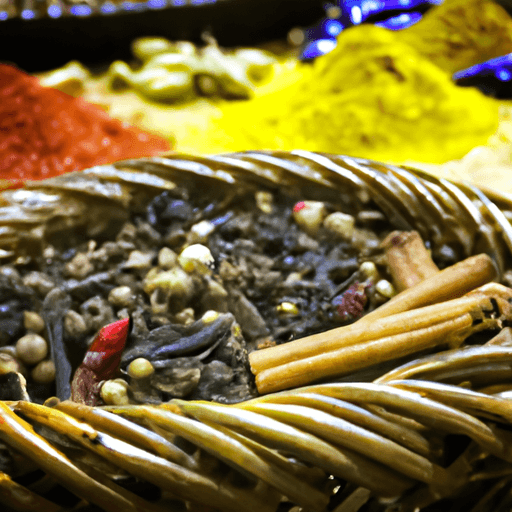
Do everyday cooking spices actually kill bacteria? People in tropical regions have used spices for thousands of generations. One theory suggests these spices help keep food safe from spoilage. You streak E. coli bacteria across agar dishes. Then you place a quarter teaspoon of one spice on the lid of each inverted dish. You test seven spices: - Cinnamon - Garlic - Mustard - Black pepper - Coriander - Lemon juice - Chili powder You incubate the dishes at 27 degrees Celsius for four days with three replicates. Coriander inhibited 100 percent of bacterial growth. Mustard stopped 83 percent. Cinnamon and lemon juice each blocked 67 percent. Black pepper and garlic showed only 17 percent. Chili powder had no effect.

Hypothesis

The hypothesis is that spices have the ability to kill food-spoilage microorganisms.

Science Concepts Learned

Agar Plate Culture

Agar plate culture lets you grow germs evenly across a jelly-filled dish so you can see what stops them. This project streaks E. coli onto agar dishes and then exposes each one to a different spice to watch which ones block growth. Because the jelly food feeds the bacteria across the whole surface, any gap in growth shows where a spice killed the germs.

Antimicrobial Properties of Natural Substances

Some foods can stop germs from growing without even touching them. In this experiment, a quarter teaspoon of spice sits on the lid of an upside-down agar dish, and its vapors drift down onto E. coli bacteria below. When coriander vapor alone was enough to block every bacterial colony, it showed that a natural food's germ-stopping power can travel through the air.

Food Safety

One food safety step is choosing ingredients that naturally fight germs. This experiment tests whether common spices can kill food-spoilage microorganisms. Coriander stopped all bacterial growth on the agar dishes — showing that what you add to food can matter as much as how you store it.

E. coli

E. coli is a common bacterium that scientists use to test whether substances can stop germs from growing. In this experiment, you streak E. coli across agar dishes and expose it to spice vapors. Some spices block all bacterial growth, showing how this gut bacterium responds differently to different compounds.

Method & Materials

You will set up an experiment to test the volatile emission from the spices. You will streak E. coli on agar dishes, turn them upside down, and apply 1/4 tsp. of spice on the lid. You will leave the dish at 27 degrees Celsius for 4 days.
You will need agar dishes, E. coli, sterile swabs, and the following spices: cinnamon, garlic, mustard, black pepper, coriander, lemon juice, and chilli powder.

Tinker Cratescience & engineering build kits for ages 9–12 — real tools, real experiments, delivered monthly. (Affiliate link)

See whats included

Results

The results of the experiment show that not all of the spices used were effective. Coriander had complete inhibition, while mustard, cinnamon, and lemon juice had partial inhibition. Black pepper and garlic had 17% inhibition, and chilli powder had no inhibition.

Why do this project?

This science project is interesting because it tests the health benefits of spices that have been used in cooking for thousands of years.

Also Consider

Experiment variations to consider include testing different temperatures and different amounts of spices.

Full project details

Additional information and source material for this project are available below.
Share this Science Project:

Related Science Fair Project Ideas

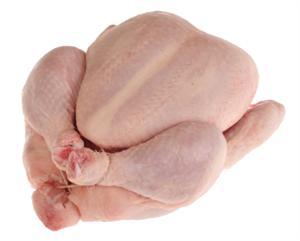
Bacteria Levels in Fresh, Frozen, and Irradiated Chicken
Swab fresh, frozen, and irradiated chicken onto agar plates and measure which processing method leaves the fewest bacteria behind.
Medium
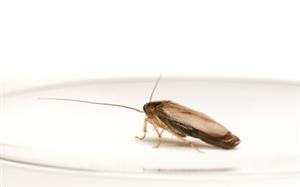
Bacteria Carried by Common Insects
Let four insects walk across agar dishes and measure which one leaves behind the largest colony of bacteria after five days.
Medium
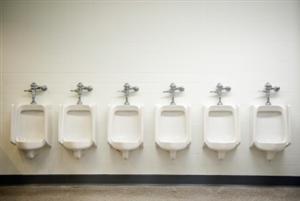
Bacteria Levels in Waterless vs. Water-Based Urinals
Swab five waterless and five water-based urinals, grow the bacteria in petri dishes, and measure which type produces larger colonies.
Medium
Share this Science Project: