

Foot Bacteria Growth Across Species
Medium
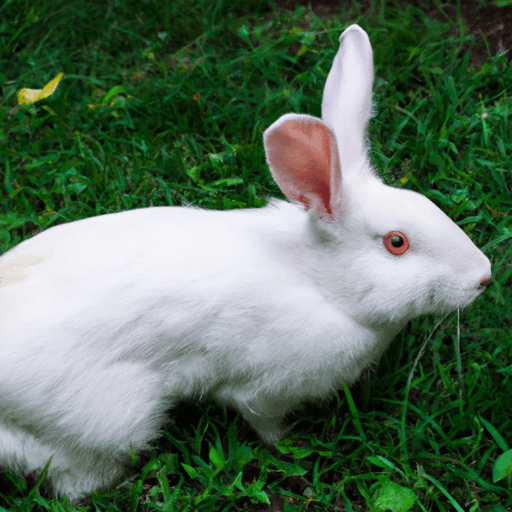
Does the size of an animal affect how fast bacteria from its feet can grow? You take bacteria samples from the feet of a chicken and a human and a rabbit. Each sample goes onto its own agar plate.
You measure the area of bacterial growth once a day for three days. Three plates per animal give you an average. The chicken bacteria grew fastest on day one. But by day three the human sample had caught up.
The results are not straightforward. Fur on the rabbit foot may have changed what bacteria were collected. Growth rates shifted from day to day in unexpected patterns.
Hypothesis
The hypothesis is that if the size of the animal that the sample was taken from is increased, then the speed of the growth of the bacteria will increase.
Science Concepts Learned
Bacterial Growth
Germs spread outward on a food source, so you can watch bacterial growth as an expanding patch on an agar plate. This project collects samples from the feet of a chicken, a human, and a rabbit and measures the area of growth once a day for three days. The chicken bacteria grew fastest on day one, but by day three the human sample had caught up.
Method & Materials
You will take samples from the feet of a chicken, a human, and a rabbit, place them on agar petri dishes, and record the growth of bacteria over three days.
You will need a culture mix, water, a stove, a pot, nine petri dishes, graph paper, and samples of bacteria.
Eureka Crate — engineering & invention kits for ages 12+ — monthly projects that build real-world skills. (Affiliate link)
See what’s includedResults
The results showed that the bacteria from the feet of the human grew the fastest. The average growth for the human cultures was 1/30 cm the first day, 3 1/6 cm the second day, and 31 2/3 cm the third day. This stands out because it was the fastest growing bacteria.
Why do this project?
This science project is interesting because it shows how different bacteria can grow at different speeds, depending on the source.
Also Consider
Variations to consider include testing different types of animals, or testing the bacteria in different environments.
Full project details
Additional information and source material for this project are available below.Share this Science Project:
Related Science Fair Project Ideas
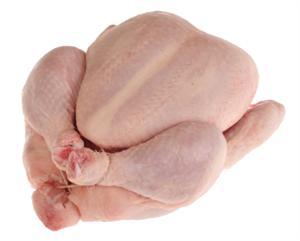
Swab fresh, frozen, and irradiated chicken onto agar plates and measure which processing method leaves the fewest bacteria behind.
Medium
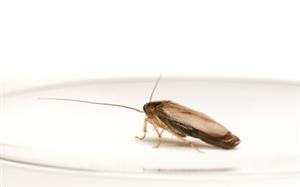
Let four insects walk across agar dishes and measure which one leaves behind the largest colony of bacteria after five days.
Medium

Swab five waterless and five water-based urinals, grow the bacteria in petri dishes, and measure which type produces larger colonies.
Medium
Share this Science Project: