

Feeding Practices and Allergy in Preterm Infants
Hard
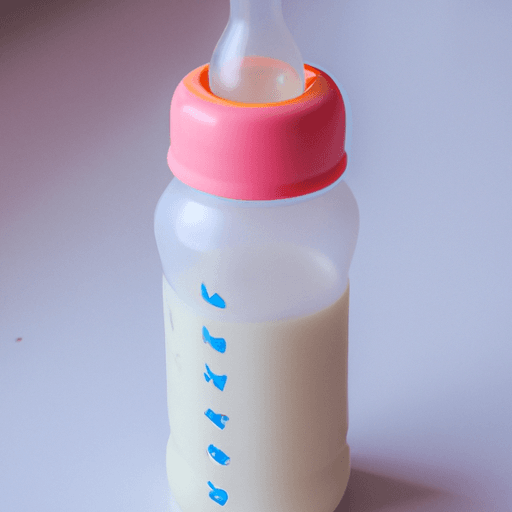
Does the timing of first solid food affect allergy risk in premature babies? Infants born early face unique nutritional challenges. Their immune systems may respond differently to new foods.
This study monitored 257 premature infants for signs of food intolerance. Researchers tracked what each infant ate and when solid foods were introduced. They compared allergy rates across different feeding timelines.
Following standard advice on the minimum age to start weaning reduced allergy risk for most premature infants. However, that same advice may not provide enough nutrition for very early arrivals born before 34 weeks. The Department of Health recommends that preterm infants weigh at least 5 kilograms before starting solid foods.
Hypothesis
The hypothesis is that maternal nutrition and infant feeding practices can influence the development of food intolerance in preterm infants.
Science Concepts Learned
Food Allergy
Premature infants face unique nutritional challenges, and their immune systems may form responses to new foods differently than full-term infants do. This study monitored 257 premature infants for signs of food intolerance, tracking what each infant ate and when solid foods were introduced. Following standard advice on the minimum age to start weaning reduced allergy risk for most preterm infants. However, that same advice may not provide enough nutrition for very early arrivals born before 34 weeks.
Method & Materials
You will need to monitor a cohort of 257 premature infants for the development of allergies.
You will need to collect data on the infants' nutrition and feeding practices.
Eureka Crate — engineering & invention kits for ages 12+ — monthly projects that build real-world skills. (Affiliate link)
See what’s includedResults
The results of this study suggest that following certain infant feeding advice can reduce the risk of developing allergies for all premature infants. However, this advice may not be nutritionally sound for very premature infants born before 34 weeks gestational age. This observation stands out as it highlights the importance of considering the nutritional needs of very premature infants.
Why do this project?
This science project is interesting and unique because it looks at the development of food intolerance in premature infants, which is an area that has not been studied extensively.
Also Consider
Experiment variations to consider include looking at the effects of different types of infant formula on the development of food intolerance in premature infants, as well as looking at the effects of different types of maternal nutrition on the development of food intolerance in premature infants.
Full project details
Additional information and source material for this project are available below.Share this Science Project:
Browse by Grade
Related Science Fair Project Ideas
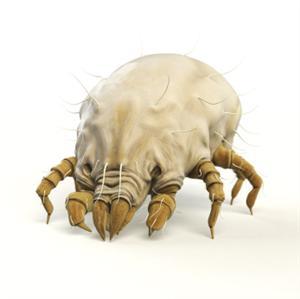
Treat dust-mite-infected pillowcases with five different washing and drying methods to find which one removes the most mites.
Hard
Use flow cytometry to compare immune cells in allergic and non-allergic intestines and discover why some bodies reject cow's milk.
Hard
Ask mothers to avoid eggs during pregnancy and breastfeeding, then track whether their infants develop fewer egg allergies.
Hard
Share this Science Project: