Antibiotics and Bacterial Death Zones
Hypothesis
Science Concepts Learned
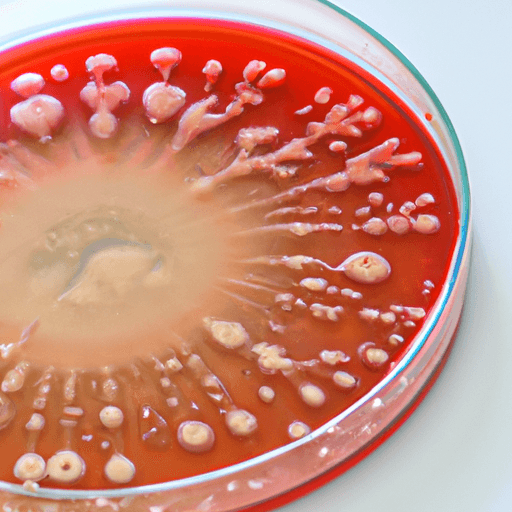
A key use of the Kirby-Bauer disk diffusion test is finding out which antibiotic works best against a specific bacterium. You swab the hands of ten people, grow the bacteria on blood agar plates, and identify coagulase-negative staphylococcus through gram staining and catalase testing. That bacterium then gets spread on Mueller Hinton plates, and discs soaked in different antibiotics are placed on each plate. After overnight incubation, measuring the death zone around each disc with a caliper reveals which drug stops this common skin bacterium most effectively.
Antibiotics kill harmful germs or stop them from growing, but not all antibiotics stop the same germ with equal strength. To find out which works best, you swab the hands of ten people and grow the bacteria on blood agar plates. After identifying coagulase-negative staphylococcus through gram staining and catalase testing, you spread it on Mueller Hinton plates and place discs soaked in different antibiotics on each plate. After overnight incubation, measuring the death zone around each disc with a caliper reveals which antibiotic destroys this common skin bacterium most effectively.
Streaking for inoculation is a classical handling step that keeps stray germs out of your bacterial samples. Without careful streaking on blood agar and Mueller Hinton plates, contaminants would grow alongside the skin bacteria — coag negative staph and others — and skew the antibiotic death zone measurements. That clean separation is what makes the gram stain and catalase test results meaningful.
Not all antibiotics work equally well against the same germ — and knowing which germ you're dealing with is the first step to finding out which one does. In this experiment, colonies grown from hand swabs are gram stained to confirm they are coagulase-negative staphylococcus before antibiotic testing begins. That identification step matters: when you spread bacteria onto Mueller Hinton plates and place antibiotic discs on each one, the death zones you measure afterward only mean something if the species is consistent across plates. Without confirming the bacterial type first, the sensitivity results could reflect a random mix of germs rather than one known species.
Method & Materials
Eureka Crate — engineering & invention kits for ages 12+ — monthly projects that build real-world skills. (Affiliate link)
See what’s includedResults
Why do this project?
Also Consider
Full project details
Additional information and source material for this project are available below.Browse by Grade
Related Science Fair Project Ideas