

Urban Shorelines and Plankton Counts
Medium
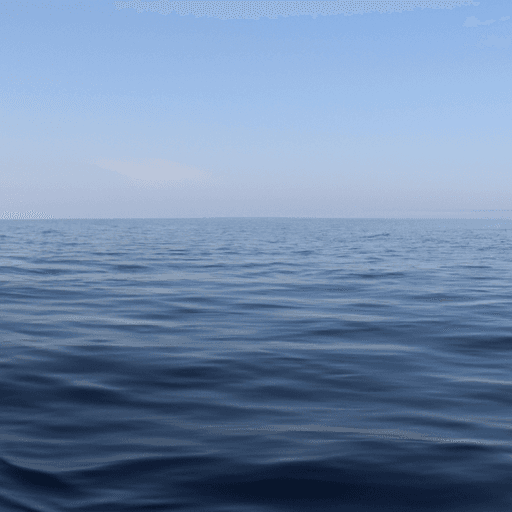
Does living near a city change how many plankton float in the nearby water? Plankton are tiny organisms that drift in lakes and oceans. They form the base of the food chain. This project counts them at different shoreline sites.
You collect water samples using a homemade plankton net made from a coffee can and fine mesh. Back in the lab, you place drops on a gridded slide and count plankton under a microscope. A partner repeats the count for accuracy.
By comparing counts from multiple stations along the shore, you look for patterns. Sites near urban areas may show different plankton numbers than sites farther away.
Hypothesis
The hypothesis is that urbanization will have a negative effect on the number of plankton living in inshore waters.
Science Concepts Learned
Plankton
Plankton are tiny organisms that drift in lakes and oceans, forming the base of the food chain. To study them, you build a homemade collector from a coffee can and fine mesh, then place water drops on a gridded slide and count what you find under a microscope. When you sample multiple stations along a shoreline, patterns emerge — sites near urban areas may show different plankton numbers than those farther away, revealing whether nearby cities affect these drifting populations.
Method & Materials
You will collect plankton samples from different sites, count the plankton using a microscope, and record the numbers.
You will need a microscope, slides, coverslips, a Beral pipet, a plankton collector, and plankton samples.
Eureka Crate — engineering & invention kits for ages 12+ — monthly projects that build real-world skills. (Affiliate link)
See what’s includedResults
The results of this project show that urbanization does have an effect on the number of plankton living in inshore waters. The most striking observation was that the number of plankton was significantly lower in areas with higher levels of urbanization.
Why do this project?
This science project is interesting and unique because it allows us to explore the effects of urbanization on a microscopic level.
Also Consider
Experiment variations to consider include comparing the number of plankton in different types of water (freshwater vs. saltwater) or comparing the number of plankton in different seasons.
Full project details
Additional information and source material for this project are available below.Share this Science Project:
Related Science Fair Project Ideas
Place guppies in five tanks at different acid levels and track survival every two hours to find the tipping point.
Medium
Add denitrifying bacteria to pond water and track whether nitrate levels drop faster than in untreated samples over three weeks.
Medium
Collect water from a boatyard, marina, beach, and tap, then send all four to a lab to compare heavy metal levels.
Medium
Share this Science Project: