Number Sequences and Base System Patterns
Hypothesis
Science Concepts Learned
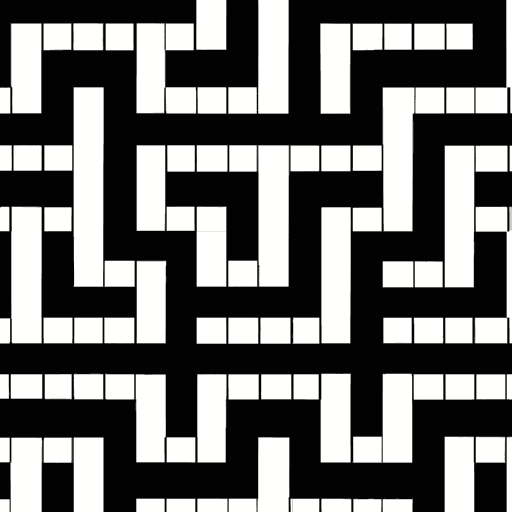
Each time you count through all available digits and carry over to a new column, you are working inside a base number system. When the first thirty terms of figurate number sequences are translated into bases 2 through 20 on a spreadsheet, the resulting digits — read back as base-10 numbers — produce twenty distinct patterns. Most of those patterns trace back to the original sequences that generated them, and some even reveal unexpected connections between sequences that appeared unrelated.
Number sequences follow predictable rules, and those rules reveal hidden structure when you change how the numbers are represented. When you translate figurate number sequences into different base systems and read the digits as base-10 numbers, repeating patterns emerge that connect back to the original sequence. The underlying rule governing a sequence persists even when its notation changes.
A digit's worth depends entirely on where it sits in a number — the 3 in the tens place is worth 30, but shift it one position left and it becomes 300. When you translate the first thirty terms of figurate number sequences into bases 2 through 20, those place values shift completely. Reading the translated digits as base-10 numbers then produces surprising patterns across the bases. Most of these twenty patterns connect back to the original sequences that created them, and some even link sequences that seem unrelated at first.
Figurate numbers are built by arranging dots into shapes like triangles and squares, then counting the total dots as each shape grows. In this project, you take the first thirty terms of figurate number sequences, translate each term into bases 2 through 20, and read the translated digits as base-10 numbers to scan for repeating patterns.
Binary numbers use only two digits, zero and one, to represent any value. That simplicity makes base 2 the most stripped-down alternative to everyday base-10 counting. When you translate number sequences into base 2, then read those digits as base-10 numbers, surprising patterns appear. Many of them connect back to the original sequence, revealing how binary encoding reshapes familiar numbers in unexpected ways.
Method & Materials
MEL Math — hands-on math experiment kits delivered monthly — makes abstract concepts tangible. (Affiliate link)
See what’s includedResults
Why do this project?
Also Consider
Full project details
Additional information and source material for this project are available below.Browse by Grade
Related Science Fair Project Ideas