Coin Change Combinations and Fast Algorithms
Hypothesis
Science Concepts Learned
An algorithm solves a problem the same way each time by following a fixed set of step-by-step rules. In this experiment, a brute-force program tests every possible combination of pennies, nickels, dimes, quarters, and half-dollars to count how many ways make change for a dollar. It works — but runs very slowly. When you search for patterns in the results, you find that the five-coin problem connects to simpler four-coin and three-coin problems. A new program built on those patterns runs over 26,000 times faster, solving the ten-thousand-dollar problem in less than an hour.
How many ways can five types of coins add up to one dollar? The answer is exactly 292 distinct groupings — and finding that number is a combinatorics problem. A brute-force program tests every possible combination of pennies, nickels, dimes, quarters, and half-dollars. It works, but runs very slowly. As the target amount grows, the number of possible combinations explodes: ten thousand dollars yields over 666 quadrillion arrangements. That makes brute force impractical. When you search for patterns in the results, you find that the five-coin problem connects to simpler four-coin and three-coin problems. A new program built on those patterns runs over 26,000 times faster — solving the ten-thousand-dollar problem in under an hour.
How much harder does a problem get as its size grows? This experiment answers that question directly. A brute-force program that tests every possible combination of pennies, nickels, dimes, quarters, and half-dollars works for small amounts — but as the target value increases, it slows to a crawl. By searching for patterns in the results, you discover that the five-coin problem connects to simpler four-coin and three-coin problems. A new program built on those patterns runs over 26,000 times faster, solving the ten-thousand-dollar problem in less than an hour. That speedup is what choosing the right algorithm looks like in practice: a problem that seemed practically unsolvable becomes finished before lunch.
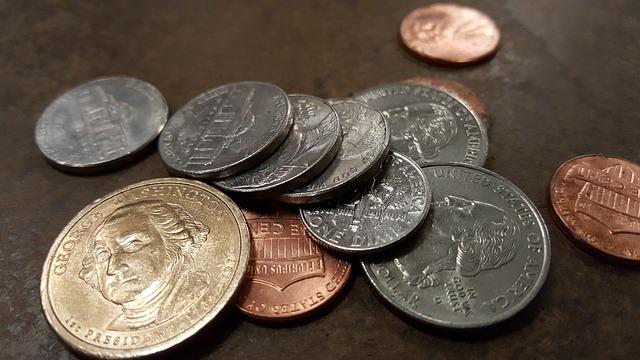
When order does not matter, combinations count the different ways you can choose items from a group. Making change for a dollar means picking coins that add up correctly — and it turns out there are exactly 292 ways to do it using pennies, nickels, dimes, quarters, and half-dollars. That number comes from testing every possible mix of the five U.S. coins, which a computer program can do through brute force. As a result, each solution is a different combination of those five coin types.
Method & Materials
MEL Math — hands-on math experiment kits delivered monthly — makes abstract concepts tangible. (Affiliate link)
See what’s includedResults
Why do this project?
Also Consider
Full project details
Additional information and source material for this project are available below.Browse by Grade
Related Science Fair Project Ideas