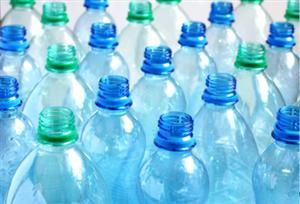
Can sunlight kill bacteria in a water bottle? You fill seven plastic bottles with tap water and mix in E. coli bacteria. Four bottles are scratched to different levels of opacity: 25%, 50%, 75%, and 100%.
Five bottles sit in direct sunlight for six hours. Two controls stay in the shade. After incubating water samples on agar plates, the clear unscratched bottle left in the sun shows zero bacteria. More scratches mean more bacteria survive.
Hypothesis
The hypothesis is that the lower the degree of transparency of the plastic bottle surface, the lower the level of disinfection.
Sunlight can disinfect water inside a plastic bottle, but scratches on the bottle change the result. After six hours in direct sunlight, the clear unscratched bottle shows zero bacteria. As scratches increase, more bacteria survive.
Sunlight passes through a clear container and kills germs inside the water — but only if the surface lets it through. When a bottle's outer surface is scratched to different levels of opacity, less UV reaches the bacteria inside. This experiment makes that effect measurable: four PET bottles are scratched to 25%, 50%, 75%, and 100% opacity, then filled with tap water mixed with E. coli culture and left in direct sunlight for six hours. The clear unscratched bottle shows zero bacteria. More scratches mean more bacteria survive.
Method & Materials
You will prepare 7 clean PET bottles, scratch the outer surface of 4 bottles to four different levels of opacity, fill all 7 bottles with an equal amount of tap water, mix each bottle with 3gm of E.Coli culture, place 5 of the bottles under sunlight for 6 hours, and place the other 2 bottles in the shade for 6 hours.
You will need 7 PET Bottles, 7 liters of Tap Water, Escherichia Coli bacteria culture, 7 Agar plates in Petri Dishes, 7 Syringes, and a sharp object, e.g. penknife, blade etc.
Eureka Crate — engineering & invention kits for ages 12+ — monthly projects that build real-world skills. (Affiliate link)
The results showed that the amount of bacteria increases as the degree of opacity increases. This study is important for those countries using SODIS as a method for disinfecting drinking water, as it can help eliminate or minimize diarrhea-related deaths.
Why do this project?
This science project is interesting because it explores how sunlight can be used to disinfect water, which is a cheap and efficient way to produce water safe for drinking and is currently widely used in many third world countries.
Also Consider
Variations to consider include what happens if bottles made from other material are used, how to make sure the PET bottles are 100% clean before carrying out the experiment, and what controls of the experiment should be taken into consideration besides the ones mentioned above.
Full project details
Additional information and source material for this project are available below.