

Orange Ripeness and Vitamin C Content
Medium
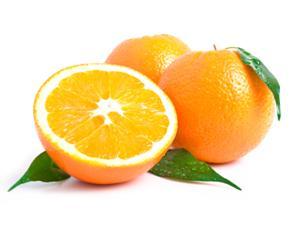
Does a ripe orange have more vitamin C than an unripe one? You can test this using an iodine-starch solution. When iodine-starch meets vitamin C it turns clear. Once all the vitamin C is used up the solution stays blue.
You squeeze juice from three oranges at different stages: unripe, half ripe, and fully ripe. You measure 100 ml of each juice and add iodine-starch drops one at a time until the blue color stays.
The unripe orange needs 13 drops before turning blue. The ripe orange needs only 8. Fewer drops means less vitamin C. So the unripe orange actually contains the most vitamin C.
Hypothesis
The hypothesis is that the unripe orange will have the highest concentration of vitamin C.
Science Concepts Learned
Vitamins
Vitamin C is one of the tiny nutrients your body needs in small amounts to stay healthy. Oranges contain vitamin C, but the amount changes as the fruit ripens. In this test, unripe juice needs 13 iodine drops before turning blue, while ripe juice needs only 8. Fewer drops means less vitamin C in the sample.
Method & Materials
You will measure the amount of vitamin C in three oranges of different ripeness levels, and then compare the results.
You will need a ripe orange, a half ripe orange, an unripe orange, 3 beakers, a juice extractor, a burette, a bottle of iodine-starch solution, a glass stirring rod, a stand and holder to support the burette, and a measuring cylinder.
Eureka Crate — engineering & invention kits for ages 12+ — monthly projects that build real-world skills. (Affiliate link)
See what’s includedResults
The results showed that the unripe orange had the most vitamin C, while the fully ripened orange had the lowest amount of vitamin C.
Why do this project?
This science project is interesting because it shows how the ripeness of an orange affects its vitamin C content, which is an important nutrient for our bodies.
Also Consider
Variations of this project could include using different types of fruits like papayas or apples, or repeating the experiment by leaving freshly squeezed juice in the open for a period of time to observe the gradual degradation of vitamin C.
Full project details
Additional information and source material for this project are available below.Related videos
These videos explain the science behind this project and demonstrate key concepts used in the experiment.
Share this Science Project:
Related Science Fair Project Ideas

Survey stores and residents in two different neighborhoods and discover whether fresh food access shapes what people actually eat.
Medium

Give breakfast-skippers three weeks of morning meals and watch their object recall jump in a simple before-and-after memory test.
Medium
Feed one group of mice apples and another jelly beans for two weeks to see which causes more weight gain.
Medium
Share this Science Project: