

Regular vs. Low-Fat Taste Detection
Easy
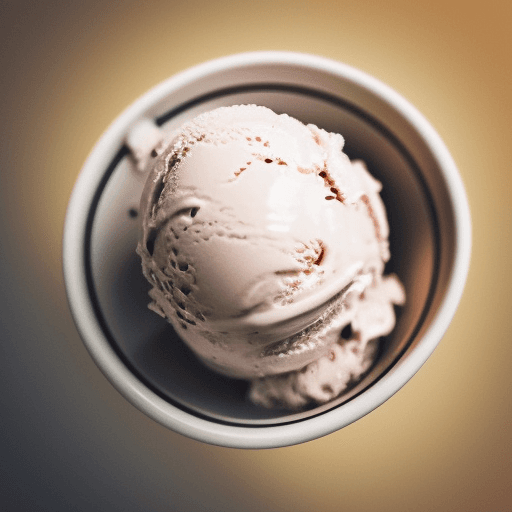
Can people taste the difference between regular and low-fat versions of the same food? Many products now come in reduced-fat options. This project tests whether the change in fat content also changes the flavor enough to notice.
You give ten volunteers both versions of six foods from the same brand. The foods include cookies, ice cream, brownies, chips, crackers, and pudding. Each person reports which one tastes low-fat and whether they detect an aftertaste.
The results show whether people can reliably pick out the low-fat version.
Hypothesis
The hypothesis is that people can taste the difference because the ingredients are changed, therefore it alters the taste as well.
Science Concepts Learned
Taste Perception
The tongue reads flavor signals based on what is actually in the food. Ten volunteers taste regular and low-fat versions of six foods — cookies, ice cream, brownies, chips, crackers, and pudding — to see whether they can detect a difference. The experiment tests whether reducing fat content changes the flavor enough for the brain to notice, including any aftertaste.
Method & Materials
You will test five boys and five girls, all in the same age range, with various fat and low-fat foods. You will measure if they think it is low fat or regular and if an aftertaste was detected.
You will need fat and low-fat versions of Nilla wafers, ice cream, brownies, potato chips, graham crackers, and vanilla pudding from the same manufacturer.
Tinker Crate — science & engineering build kits for ages 9–12 — real tools, real experiments, delivered monthly. (Affiliate link)
See what’s includedResults
The results showed that people can tell the difference between some fat and low fat foods. This experiment proved the hypothesis to be correct.
Why do this project?
This science project is interesting because it tests people's ability to taste the difference between regular and low-fat foods.
Also Consider
Experiment variations to consider include testing different types of food, or testing people of different ages.
Full project details
Additional information and source material for this project are available below.Share this Science Project:
Browse by Grade
Featured In
Related Science Fair Project Ideas
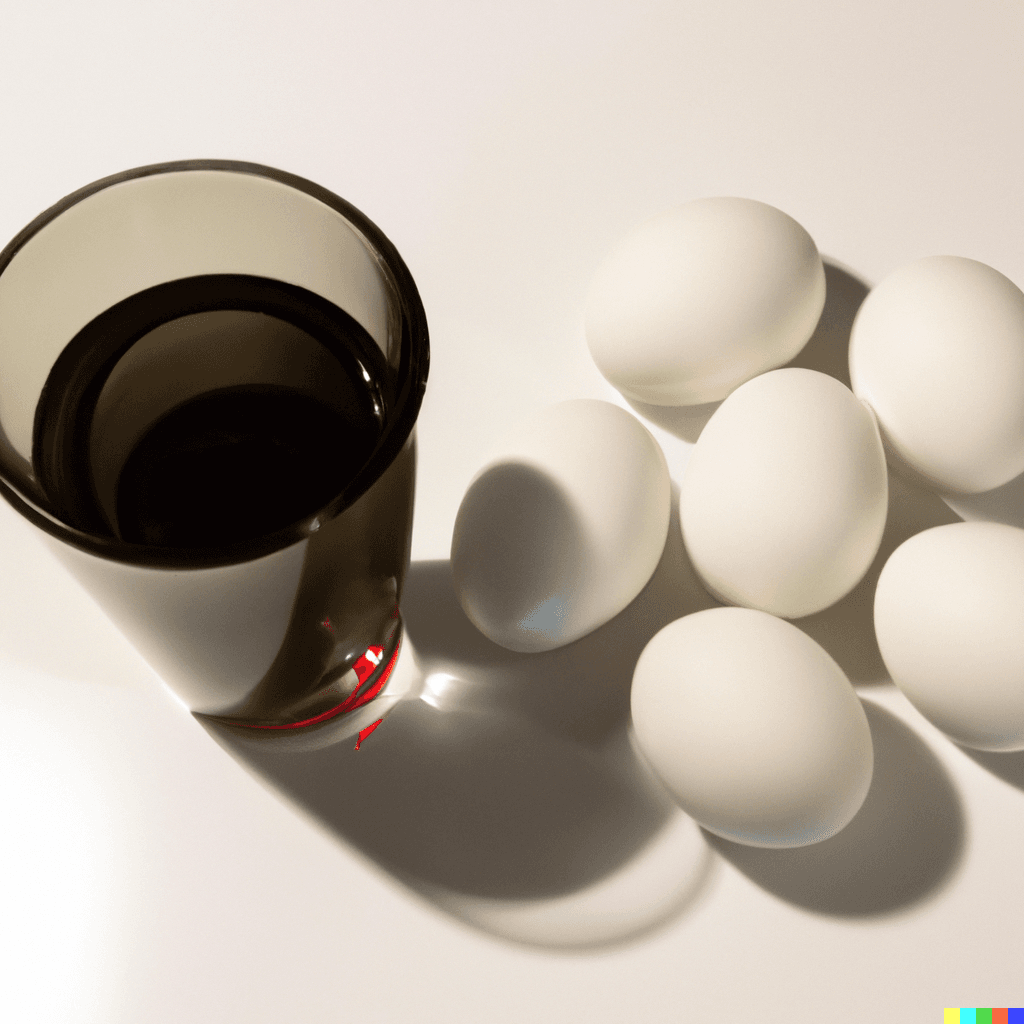
Soak hard-boiled eggs in different drinks for two days and see which ones stain and soften the shells the most.
Easy

Soak five teeth in coffee, tea, grape juice, red wine, and cola to discover which beverage leaves the darkest stain.
Easy
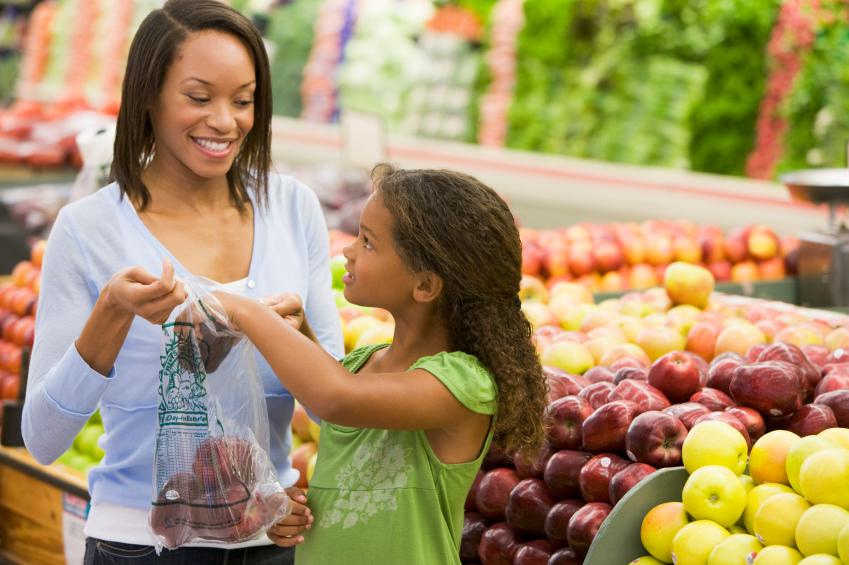
Survey stores and residents in two different neighborhoods and discover whether fresh food access shapes what people actually eat.
Medium
Share this Science Project: