

Sugar Concentration and Water Viscosity
Medium
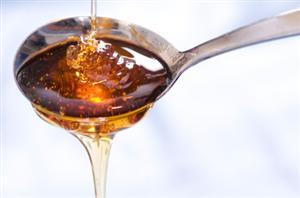
How much sugar does it take to turn water into a slow-flowing syrup? Viscosity (a liquid's resistance to flow) rises as you dissolve more sugar in water.
You drill a small hole in the bottom of a metal cup. Then you mix five batches of water with 20, 40, 60, 80, and 100 grams of sugar. You pour each batch into the cup and time how long it takes to drain through the hole.
Compare the drain times to see how each added dose of sugar slows the flow.
Hypothesis
Science Concepts Learned
Viscosity
Dissolving sugar in water makes it thicker and slower to move. You drill a small hole in the bottom of a metal cup, then mix five batches of water with 20, 40, 60, 80, and 100 grams of sugar. Pour each batch into the cup and time how long it takes to drain through the hole. As you add more sugar, the drain time rises. The comparison shows directly how each added dose slows the flow.
Method & Materials
You will create a small hole in a metal cup, measure out 200ml of distilled water into 5 beakers, add different amounts of sugar to each beaker, mix the solution, and measure the time it takes for the water to flow out of the cup.
You will need a metal cup, an electric drill with a small drill bit, 1000ml distilled water, 300 grams of sugar, a measurement cylinder, a digital weighing scale, 5 beakers, a stopwatch, a spatula, and a black marker pen.
MEL Physics — hands-on physics experiment kits delivered monthly — real experiments, not just reading. (Affiliate link)
See what’s includedResults
The results showed that as the concentration of sugar in the water increased, the viscosity of the solution and the time taken for it to flow out of the cup also increased.
Why do this project?
This science project is interesting because it explores the effects of adding sugar to water and how it affects the viscosity of the solution.
Also Consider
Consider repeating this science project by adding other substances like salt or milk powder. You could also repeat the experiment using a different sized hole in the metal cup.
Full project details
Additional information and source material for this project are available below.Related videos
These videos explain the science behind this project and demonstrate key concepts used in the experiment.
Share this Science Project:
Browse by Grade
Featured In
Related Science Fair Project Ideas

Charge glow-in-the-dark stickers with four different lamps and discover which type of light keeps them glowing longest.
Medium

Press your finger on glasses at six different temperatures, then dust with cocoa powder to see which surface captures the clearest print.
Medium
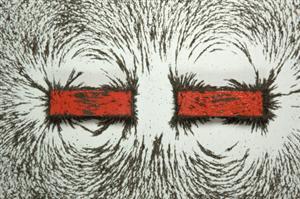
Place permanent magnets beside a burette and time whether tap water or salt solution flows differently under a magnetic field.
Medium
Share this Science Project: