Microban vs. Plastic Chopping Boards
Hypothesis
Science Concepts Learned
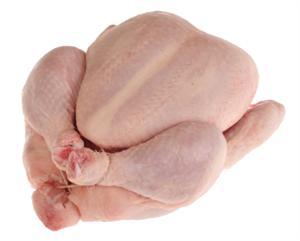
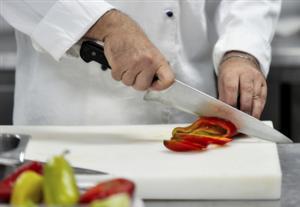
Bacterial contamination happens when germs from raw chicken get onto surfaces and make them unsafe. In this project, you cut chicken on three plastic and three Microban chopping boards. You then wash the boards, swab each surface, and transfer samples to agar petri dishes. You count bacteria colonies every day for five days.
Keeping germs off surfaces that touch food matters most after handling raw meat. Microban polymer boards claim to resist bacterial growth, so a side-by-side test with regular plastic boards can reveal which surface stays cleaner. You cut chicken on both board types, wash them, then count bacteria colonies on agar petri dishes over five days.
Antimicrobial surfaces are materials that kill or stop germs from growing on them. Do Microban polymer chopping boards actually hold fewer bacteria than plain plastic ones? To find out, you scratch and use both board types to cut raw chicken. After washing with soap and water, you swab each surface and roll the samples onto agar petri dishes. Colony counts over five days show whether the treated boards resist bacteria growth.
Method & Materials
Tinker Crate — science & engineering build kits for ages 9–12 — real tools, real experiments, delivered monthly. (Affiliate link)
See what’s includedResults
Why do this project?
Also Consider
Full project details
Additional information and source material for this project are available below.Related video
Related Science Fair Project Ideas