Grape Sugar Fermentation by Yeast
Hypothesis
Science Concepts Learned
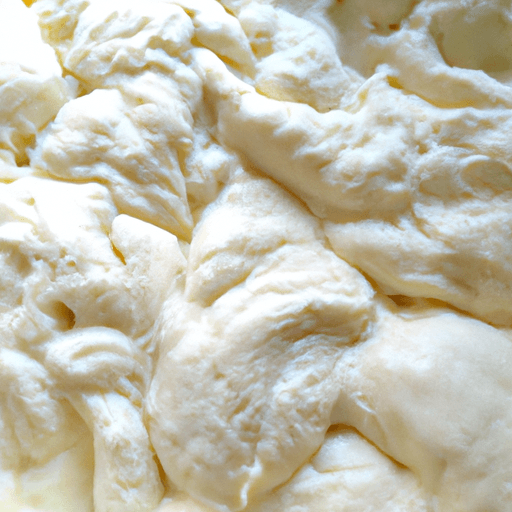
When yeast runs out of oxygen but still has sugar to eat, it switches to fermentation — producing alcohol and carbon dioxide instead. You seal dried baker's yeast and crushed grapes together in a plastic bag, so the yeast uses grape sugar as a substrate, yielding carbon dioxide and ethanol. A pH strip taped inside tracks acidity changes as the juice turns more acidic. Gas fills the bag and foam appears.
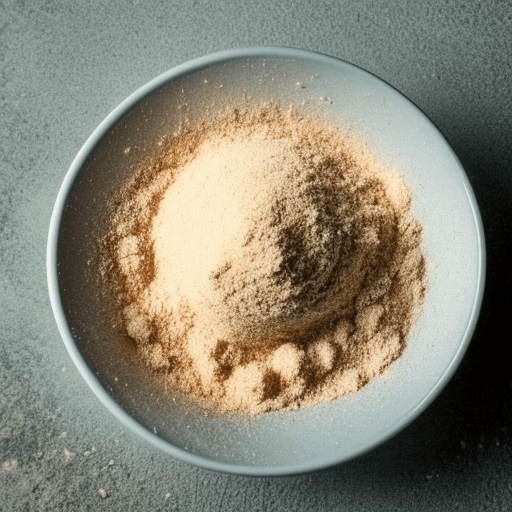
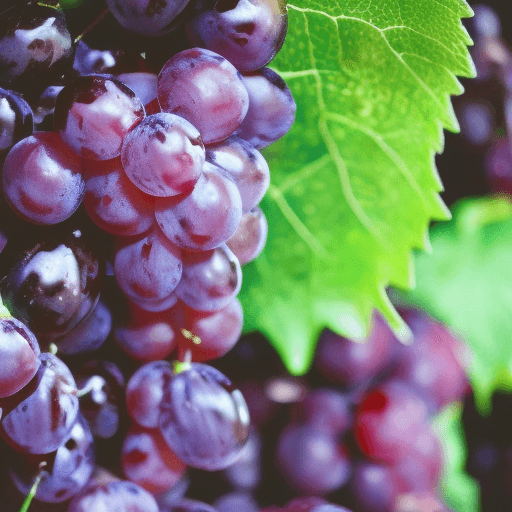
You place 5 grams of dried baker's yeast in a sealed plastic bag, and inside a second perforated bag you crush 150 grams of grapes to release the juice. As the juice mixes with the yeast, gas fills the bag and foam appears over the next hour. Testing the gas with a glowing splint confirms it: carbon dioxide snuffs it out. The pH drops as the juice turns more acidic.
When yeast runs out of oxygen but still has sugar to eat, it switches to fermentation — a process that produces carbon dioxide and ethanol instead of using oxygen. You place dried baker's yeast in a sealed plastic bag alongside the juice from 150 grams of crushed grapes, with a pH strip taped inside to track acidity changes. Over the next hour, gas fills the bag and foam appears.
Yeast cells rely on glycolysis — the first step cells use to break sugar apart and release energy — to feed on grape juice. When dried baker's yeast meets the juice from 150 grams of crushed grapes in a sealed bag, it splits the grape sugar into smaller molecules that fermentation then converts into alcohol and carbon dioxide. Over the next hour, gas fills the bag and foam appears, visible signs that the yeast broke the sugar apart and released energy from it.
Method & Materials
Eureka Crate — engineering & invention kits for ages 12+ — monthly projects that build real-world skills. (Affiliate link)
See what’s includedResults
Why do this project?
Also Consider
Full project details
Additional information and source material for this project are available below.Related video
Related Science Fair Project Ideas