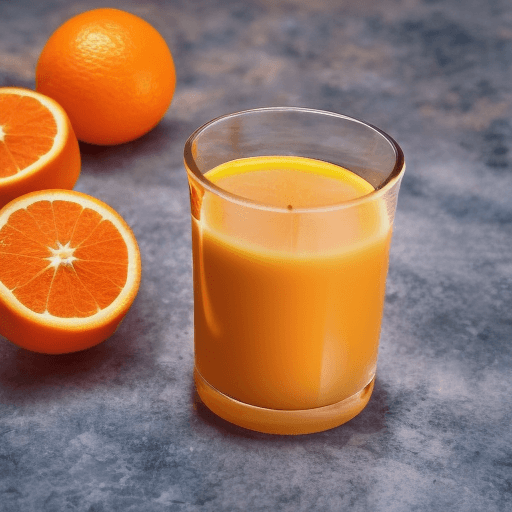
Does fresh-squeezed orange juice have more vitamin C than the bottled kind? Heat and processing break down vitamin C (also called ascorbic acid). The juice on the shelf may contain far less than the juice you squeeze yourself.
You use a vitamin C indicator solution that starts blue. You add drops of orange juice one at a time until the blue color disappears. Fewer drops means more vitamin C. You test four types of orange juice:
- fresh-squeezed
- bottled
- frozen
- canned
Each type gets tested three times. Compare the average drop counts. The type needing the fewest drops has the highest vitamin C.
Hypothesis
The hypothesis is that different brands of orange juice contain different levels of vitamin C.
Heat and processing break down vitamin C, so fresh-squeezed orange juice tends to hold more of this nutrient than bottled juice that has sat on a shelf. A vitamin C indicator solution makes that difference visible. It starts blue, and you add drops of juice one at a time until the color disappears. Fewer drops means more vitamin C remains in the sample.
One way to measure vitamin C is to watch for a color change. You use an indicator solution that starts blue, then add drops of orange juice one at a time until the blue disappears. Fewer drops means more vitamin C was present — the indicator's shift from blue to clear reveals how much ascorbic acid each juice contains.
Vitamin C — also called ascorbic acid — breaks down when juice is heated or processed. That means fresh-squeezed orange juice typically holds more of this nutrient than bottled juice that has sat on a shelf. To measure how much remains, you add drops of juice one at a time to a vitamin C indicator solution that starts blue. When the blue color disappears, you stop counting. Fewer drops means a higher concentration of ascorbic acid in that juice. Testing fresh-squeezed, bottled, frozen, and canned juice — three times each — lets you compare the average drop counts and determine which type preserves the most.
Method & Materials
You will measure and compare the Vitamin C content in a variety of food samples, and determine the effect of various factors on Vitamin C concentration.
You will need a blender, a stirring rod, sources of Vitamin C (Freshly squeezed OJ, Bottled OJ, Frozen OJ, Canned OJ), vitamin C indicator solution, graph paper, 3 disposable pipettes, distilled water, one 10-mL graduated cylinder, and cheese cloth.
MEL Chemistry — hands-on chemistry experiment kits delivered monthly — great for building lab skills at home. (Affiliate link)
The experiment showed that different brands of orange juice do contain different levels of vitamin C. The amount of vitamin C in the juice was affected by the plant's growing conditions, method of processing, storage conditions, and exposure to heat, light or metals.
Why do this project?
This science project is interesting and unique because it allows students to measure and compare the Vitamin C content in a variety of food samples, and determine the effect of various factors on Vitamin C concentration.
Also Consider
Experiment variations to consider include testing different types of citrus fruits to see if they contain different levels of vitamin C, or testing different types of vegetables to see if they contain different levels of vitamin C.
Full project details
Additional information and source material for this project are available below.