Iodine and Hidden Starch in Everyday Foods
Hypothesis
Science Concepts Learned
Iodine solution works as a simple detector: it turns dark brown or blue-black the moment it touches starch. That color shift happens within seconds, and it tells you exactly which foods contain hidden starch and which show no change at all.
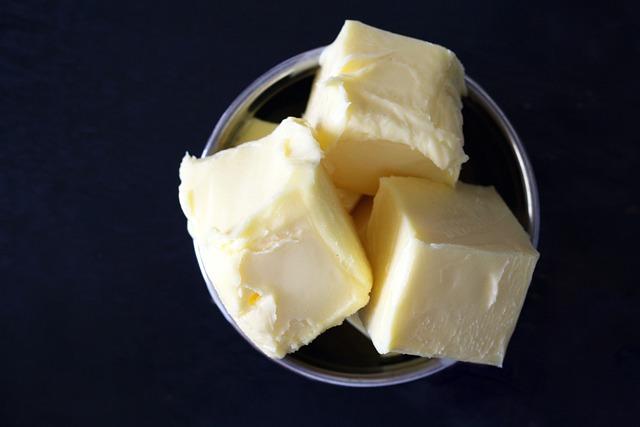
Iodine solution turns dark brown or blue-black when it touches starch, making it a simple detector. When you apply a few drops to samples like raw potato and flour, the color change appears within seconds. Butter and salt, which contain no starch, show no change at all.
Plants store energy as starch in foods like rice and potatoes. When iodine solution touches starch, it turns dark — a simple color change that reveals which foods hold this stored plant energy.
Method & Materials
Kiwi Crate — hands-on STEAM project kits for ages 6–9, delivered monthly. (Affiliate link)
See what’s includedResults
Why do this project?
Also Consider
Full project details
Additional information and source material for this project are available below.Related video
Related Science Fair Project Ideas