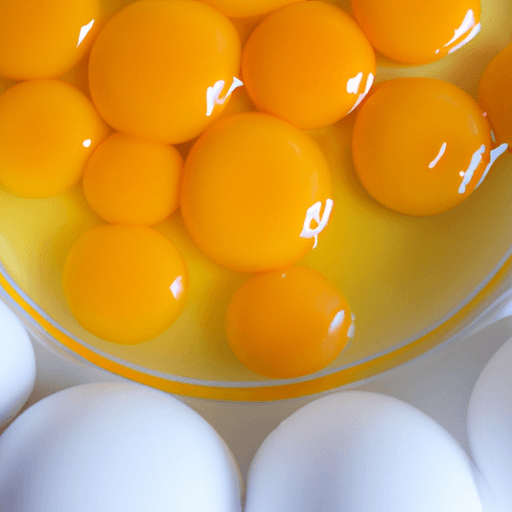
Why does the same custard recipe turn silky in a water bath but rubbery in a dry oven? Egg proteins coagulate (firm up) when heated. The speed and evenness of that heating controls whether the custard is smooth or tough.
You prepare a basic custard from milk and sugar and egg with a pinch of salt. You bake one portion in an oven with a water bath and another without. You also try a double-egg version and a microwave version. After cooling you measure the firmness and check for liquid separation.
Comparing the results shows how gentle versus harsh heat changes the texture of egg-based custards.
Hypothesis
The hypothesis is that heat affects the coagulation of eggs.
The speed and evenness of heating determine whether egg proteins coagulate into something silky or tough. One custard bakes in a water bath, another without — and the results show how gentle versus harsh heat changes the final texture. Comparing firmness and syneresis across conditions reveals exactly how heating rate shapes egg-based custards.
Heat makes liquid egg proteins turn firm and solid — but how fast that heat arrives determines everything. Gentle heating in a water bath lets the proteins coagulate slowly and evenly, producing smooth custard. Harsh direct heat drives the same proteins to seize all at once, producing a tough, rubbery mass instead.
Method & Materials
You will prepare custards with varied heating conditions and egg protein, and then evaluate the custards based on consistency, texture, flavor, percentage sag, and syneresis volume.
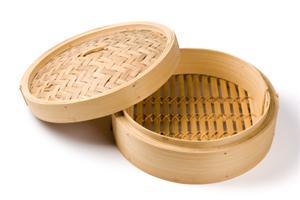
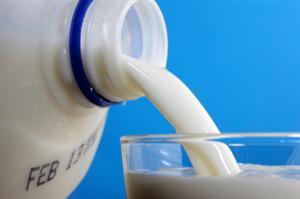
You will need milk, sugar, eggs, salt, vanilla, a double boiler, a Pyrex baker, a sharp knife, and a funnel.
MEL Chemistry — hands-on chemistry experiment kits delivered monthly — great for building lab skills at home. (Affiliate link)
The results of this experiment showed that heat does indeed affect the coagulation of eggs. The custards that were cooked in the oven had a higher percentage sag than those cooked in the microwave.
Why do this project?
This science project is interesting because it explores the effects of heat on the coagulation of eggs, which is a process that is used in many recipes.
Also Consider
Experiment variations to consider include baking the custards in the oven without the Pyrex baker, and using two eggs instead of one.
Full project details
Additional information and source material for this project are available below.