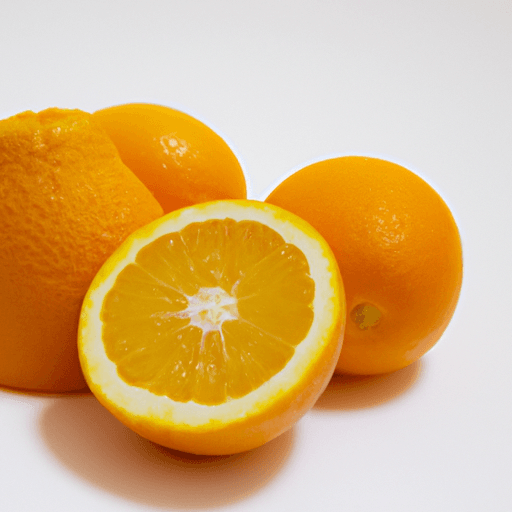
How much of an orange is just water? The answer is more than you might expect. Drying a food removes all its moisture so you can measure the difference.
You weigh a whole orange on a precise scale. Then you slice it thin and spread the slices on a paper-covered sheet of aluminum foil. A desk lamp and fan speed up evaporation. After the slices are completely dry you weigh them again.
The dried orange weighs a fraction of the original. In this experiment the orange lost about 81 percent of its weight to evaporation. Almost all of that lost weight was water.
Hypothesis
The hypothesis is that there will be 50% or more water in an orange.
Most of an orange is water — far more than you might expect. When you dry the slices under a desk lamp and fan, that water turns into gas and moves into the air. The dried orange weighs a fraction of the original. In this experiment, the orange lost about 81 percent of its weight as water escaped into the air.
Fruits hold a surprising amount of water, and drying an orange reveals exactly how much. You weigh a whole orange, slice it thin, spread the slices on foil, and let a desk lamp and fan drive off the moisture through evaporation. When the slices are completely dry, you weigh them again. In this experiment the orange lost about 81 percent of its weight, and nearly all of that came from the water trapped inside.
Method & Materials
You will weigh the orange, cut it into thin slices, spread the slices over the paper and aluminum foil, and keep it in a warm place until it is fully dry.
You will need an orange, a kitchen knife, a paper plate, aluminum foil, and a weighing scale.
Tinker Crate — science & engineering build kits for ages 9–12 — real tools, real experiments, delivered monthly. (Affiliate link)
We found out that an orange is 81% water! This is an interesting observation because it shows that oranges are mostly made up of water.
Why do this project?
This science project is interesting and unique because it shows how much water is in an orange, which is something that many people don't know.
Also Consider
Experiment variations to consider include using different types of oranges, such as navel oranges or Valencia oranges, or using different drying methods, such as using a dehydrator or an oven.
Full project details
Additional information and source material for this project are available below.