

Density, Soda Cans, and Neutral Buoyancy
Medium
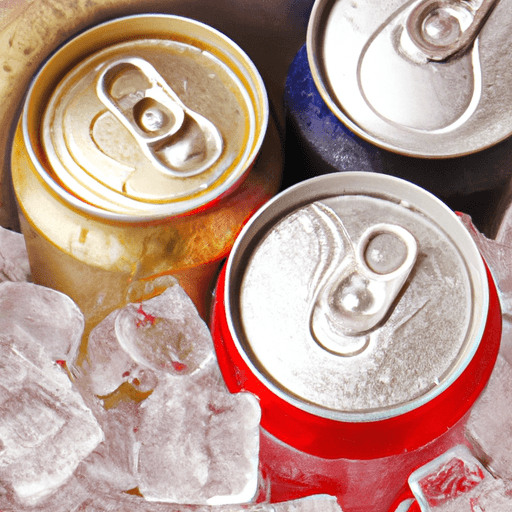
Why does a can of regular soda sink while a can of diet soda floats? Both cans are the same size. The difference is density (mass divided by volume).
You weigh sealed cans of regular and diet soda. You measure their volume by water displacement. Then you calculate each can's density. Regular soda is denser than water. Diet soda is less dense.
Next, you attach foam or metal weights to the cans. The goal is neutral buoyancy. A neutrally buoyant can hovers in the middle of the water, neither sinking nor floating.
Hypothesis
The hypothesis is that regular soft drinks are more dense than water, and diet drinks are less dense, leading to the regular soft drink sinking, while the diet soft drink floats.
Science Concepts Learned
Density
Two cans of soda can be exactly the same size yet have very different densities. Density is mass divided by volume, so if one can packs more stuff into that same space, it's denser. You weigh sealed cans of regular and diet soda, then measure their volume by water displacement to calculate each can's density. Regular soda is denser than water and sinks. Diet soda is less dense and floats.
Method & Materials
You will measure the mass and volume of each can, and then modify them to make them hover in the middle of a container of water.
You will need a balance, an aquarium or other large, deep, straight-sided container filled with water, one sealed can each of regular and diet soda, one empty can of each type of soda, paper towels, pencils and paper for student data tables, ice (optional), plastic foam, finishing nails or metal washers, several sizes, tape, and scissors.
MEL Physics — hands-on physics experiment kits delivered monthly — real experiments, not just reading. (Affiliate link)
See what’s includedResults
The experiment showed that unopened regular soda cans sink, while unopened diet soda cans float. This is because regular soft drinks are sweetened with dissolved sugar and/or high-fructose corn syrup, which is relatively heavy, while artificial sweeteners in diet drinks are many times sweeter and so they are required in smaller quantities.
Why do this project?
This science project is interesting and unique because it allows students to observe and predict the behavior of regular and diet soft drink cans when immersed in water, calculate the density of solutions using mass-volume data, design and construct a neutrally buoyant vessel, and relate density to neutral buoyancy.
Also Consider
Experiment variations to consider include testing different brands of soda, testing different temperatures of water, and testing different types of plastic foam.
Full project details
Additional information and source material for this project are available below.Related video
These videos explain the science behind this project and demonstrate key concepts used in the experiment.
Share this Science Project:
Related Science Fair Project Ideas

Float a tiny aluminum foil square on water and count how many rice grains it holds before sinking at five different temperatures.
Medium
Launch three brands of tennis balls with different hardness levels and measure whether softer balls travel farther.
Medium
Drop rice grains onto foil floating in pure and salt water at five temperatures to map how surface tension weakens.
Medium
Share this Science Project: