What turns plain cooking fat into a bar of soap? The answer is a chemical reaction called saponification. A strong base breaks fat molecules apart and rearranges them into soap.
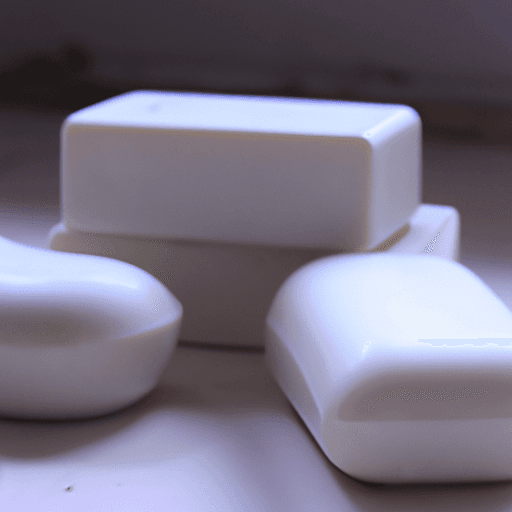
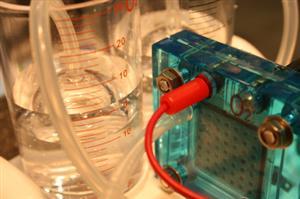
You heat lard in a beaker with sodium hydroxide (NaOH) and ethanol. After about 20 to 30 minutes of gentle stirring, the fat reacts completely. You add water and then pour the cooled mixture into a saltwater solution. A solid cake of soap forms on top.
The finished soap has two parts. One end dissolves in grease and dirt. The other end dissolves in water. That is why soap lifts grime off your hands and rinses away.
Hypothesis
The hypothesis is that soap can be made from lard and other ingredients.
Saponification transforms fat into soap molecules that grab onto both water and oil — that dual grip is what makes soap a surfactant. You heat lard in a beaker with sodium hydroxide and ethanol, stirring gently until the fat reacts completely after 20 to 30 minutes. The resulting soap has one end that dissolves in grease and dirt and another that dissolves in water. That is why it lifts grime off your hands and then rinses away clean.
When a strong base meets heated fat, it breaks the fat molecules apart and rearranges them into soap — a reaction called saponification. You heat lard in a beaker with sodium hydroxide and ethanol, stirring gently for 20 to 30 minutes until the fat reacts completely. The finished soap has two parts: one end dissolves in grease and dirt, while the other dissolves in water. That dual structure is why soap lifts grime off your hands and rinses away.
Method & Materials
You will be heating a mixture of lard and sodium hydroxide, adding alcohol and water, and then adding sodium chloride.
You will need lard or coconut oil, 6N Sodium Hydrozide (NaOH), NaCl / table salt, ethanol - alcohol, a glass beaker and stirring rod, and a mold for making soap bars.
MEL Chemistry — hands-on chemistry experiment kits delivered monthly — great for building lab skills at home. (Affiliate link)
This project is a great way to learn about the science of soap-making. You'll be able to observe the reaction of the lard and sodium hydroxide, and the formation of the soap.
Why do this project?
This science project is interesting and unique because it allows you to make your own soap from scratch.
Also Consider
Experiment variations to consider include using different types of fats or oils, or adding different scents or colors to the soap.
Full project details
Additional information and source material for this project are available below.