Search for Science Fair Projects

1000 Science Fair Projects with Complete Instructions

Electricity Science Fair Project

Potato Batteries: Metals, Voltage, and LEDs
Medium
Potato Batteries: Metals, Voltage, and LEDs | Science Fair Projects | STEM Projects
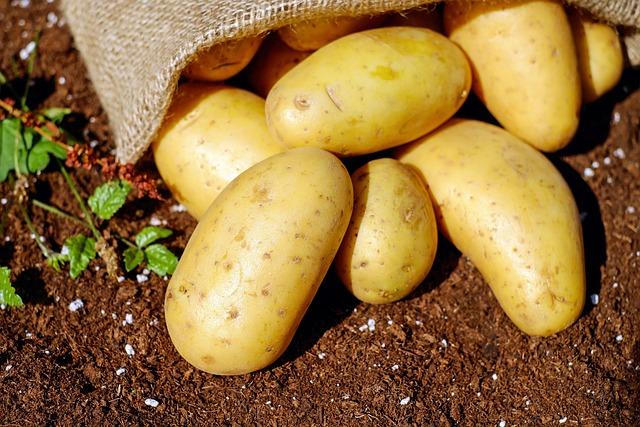
Can a potato produce enough electricity to light an LED? A potato contains moisture and acid that allow a chemical reaction between two different metals. That reaction generates a small voltage. You push two different metal strips (such as copper and zinc) into a potato. Then you connect a multimeter and read the voltage and current. Different metal combinations produce different amounts of power. Wire two or more potatoes in series to add their voltages together. With the right combination, four potatoes can produce enough current to light two low-power LEDs.

Hypothesis

The hypothesis is that potatoes can be used to create a battery.

Science Concepts Learned

Voltage

A potato contains moisture and acid that react differently with two metals — copper and zinc, for example. That chemical reaction creates a small push that moves energy through the wire, the same way water pressure drives water through a hose. Wire enough potatoes in series and their voltages add together, producing enough current to light a low-power LED.

LED

An LED needs very little current to glow. With the right combination, four potatoes wired together can produce enough current to light two low-power LEDs. That result shows how little energy an LED requires compared to a regular bulb.

Battery

Every battery stores energy through a chemical reaction between two different materials. A potato contains moisture and acid that can trigger this same reaction. Push two different metal strips — copper and zinc, for example — into a potato, connect a multimeter, and you can read the voltage each metal combination produces. Different pairs generate different amounts of power. Wire two or more potatoes in series and their voltages add together. With the right combination, four potatoes can produce enough current to light two low-power LEDs.

Electrochemistry

A potato's moisture and acid can drive a chemical reaction between two different metals, and that reaction generates a small voltage you can measure with a multimeter. Different metal combinations — such as copper and zinc — produce different amounts of power. When you wire multiple potatoes in series, their voltages add together. With the right combination, four potatoes can produce enough current to light two low-power LEDs.

Method & Materials

You will select two different metal strips and one potato, attach wires from the meter's probes to the metal strips, and measure the voltage and current.
You will need metal strips, potatoes, a multimeter, wire clips, and steel wool.

MEL Physicshands-on physics experiment kits delivered monthly — real experiments, not just reading. (Affiliate link)

See whats included

Results

The experiment showed that potatoes can be used to create a battery. The combination of copper and zinc produced the most voltage and current.

Why do this project?

This science project is interesting and unique because it shows how everyday items can be used to create a battery.

Also Consider

Experiment variations to consider include testing different metals to see which produces the most voltage and current, and wiring up two potatoes in series.

Full project details

Additional information and source material for this project are available below.

Related video

These videos explain the science behind this project and demonstrate key concepts used in the experiment.
Share this Science Project:

Related Science Fair Project Ideas

Soil Type, Fertilizer, and Electrical Conductivity
Insert copper electrodes into sand, clay, loam, and fertilized loam to discover which soil carries the strongest electrical current.
Medium
LED vs. Incandescent Brightness per Watt
Measure LED bulbs from 1.5 to 10.5 watts with a lux meter and find which tiny wattage matches a 60-watt incandescent bulb.
Medium
Hair Color and Static Electricity
Rub a balloon on four different-colored wigs and count paper squares to see which hair color builds the most static charge.
Medium
Share this Science Project: