Does standard ground beef contain antibiotic residues that natural beef does not? Antibiotics are commonly added to cattle feed. This project tests whether those additives show up in the meat you buy.
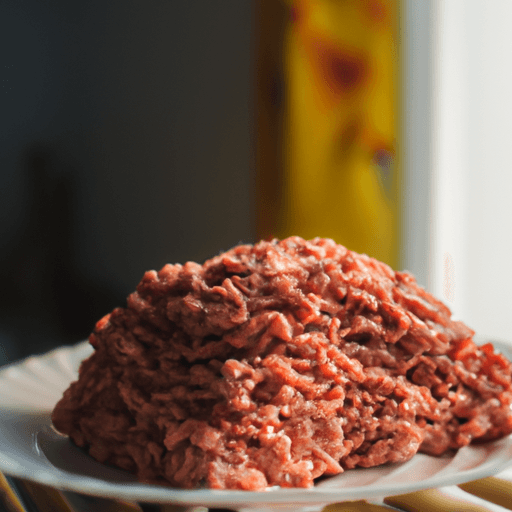
You swab agar dishes with juice from five types of ground beef. Two are standard brands. Three are natural brands. One dish stays unswabbed as a control. You incubate all six plates for five days and measure how much bacteria covers each dish.
Natural beef dishes averaged 31 percent bacterial coverage. Standard beef averaged 30 percent. The control averaged 20 percent. Natural beef grew slightly more bacteria, suggesting fewer antibiotic residues.
Hypothesis
The hypothesis is that the standard ground beef will show usage of antibiotic additives while the naturally grown ground beef will not.
Agar plate culture turns a flat dish of jelly-like food into a growth surface where germs from a sample spread out and become visible. This project swabs agar dishes with juice from different types of ground beef, so any bacteria in the juice land on the jelly food and begin to feed. After five days of incubation, the amount of the dish covered by bacteria shows how well the germs grew on the agar.
Antibiotics are medicines that kill harmful germs or stop them from growing, and cattle producers sometimes add them to animal feed. Traces can remain in the meat and keep killing bacteria long after. To test this, you swab agar dishes with juice from standard and natural ground beef brands, then incubate all six plates for five days. Natural beef averaged 31 percent bacterial coverage versus 30 percent for standard beef — suggesting natural beef carried fewer antibiotic residues, leaving more bacteria alive to grow.
Method & Materials
You will swab five agar dishes with the juice from standard and natural ground beef, and one agar dish as a control. Then you will incubate all six agar plates over a period of five days.
You will need agar dishes, standard and natural ground beef, and a control.
Tinker Crate — science & engineering build kits for ages 9–12 — real tools, real experiments, delivered monthly. (Affiliate link)
The results showed that the naturally grown ground beef averaged 31 percent of their entire agar plates, while the standard ground beefs averaged 30 percent. The control averaged 20 percent. This suggests that the naturally grown ground beef had little or no antibiotic additives, while the standard ground beef had more.
Why do this project?
This science project is interesting because it shows the difference between naturally grown ground beef and standard ground beef in terms of antibiotic additives.
Also Consider
Experiment variations to consider include testing different types of beef, such as grass-fed beef, or testing different types of antibiotic additives.
Full project details
Additional information and source material for this project are available below.