Bacteria Levels in Fresh, Frozen, and Irradiated Chicken
Medium
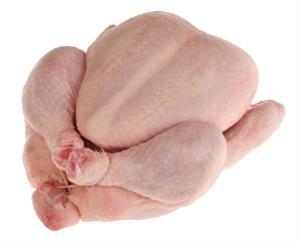
Which type of store-bought chicken carries the most bacteria: fresh, frozen, or irradiated? Each processing method handles bacteria differently. Irradiation uses energy to kill microbes. Freezing slows their growth but does not eliminate them.
You take equal portions of fresh, frozen, and irradiated chicken. Each piece soaks in sterile water. You swab the water onto agar plates and let bacteria grow for five days. Then you measure the diameter of each colony.
Irradiated chicken produces the smallest bacteria colony at 18mm. Fresh chicken reaches 24mm. Frozen chicken shows the most growth at 43mm.
Hypothesis
The hypothesis is that the irradiated chicken possesses the least amount of bacteria.
Energy beams kill the microbes living on meat — that is the core of food irradiation. When you swab equal portions of fresh, frozen, and irradiated chicken onto agar plates and let bacteria grow for five days, the results reflect this directly. Irradiated chicken produces the smallest colony at 18mm. Fresh chicken reaches 24mm. Frozen chicken shows the most growth at 43mm, because freezing only slows microbes down rather than eliminating them.
Food processing methods reduce the germs food carries before it ever reaches your kitchen. Irradiation uses energy to kill microbes directly, while freezing only slows bacterial growth without eliminating it. When tested side by side, irradiated chicken produced the smallest bacteria colony at 18mm, whereas frozen chicken showed the most growth at 43mm.
Method & Materials
You will prepare 3 Petri dishes with agar, label them, and cut equal portions of fresh, frozen, and irradiated chicken parts. Then, you will pour disinfected water into each beaker and soak the meat for 10 minutes. Finally, you will swipe the swab over the respective agar surface and measure the diameter of the bacteria colony growth after 5 days.
You will need 3 agar Petri dishes, 3 disinfected swabs, 1 bottle of disinfected water, 3 sterilized chopping boards, 3 sterilized knives, 1 piece of fresh chicken parts, 1 piece of frozen chicken parts, 1 piece of irradiated chicken parts, 3 beakers, and 1 marker pen.
Eureka Crate — engineering & invention kits for ages 12+ — monthly projects that build real-world skills. (Affiliate link)
The results showed that the irradiated poultry meat had the least amount of bacteria growing on it, followed by the fresh chicken meat. The frozen chicken had the highest amount of bacteria growth.
Why do this project?
This science project is interesting because it tests the safety of different types of processed chicken meat and provides insight into the best way to prepare chicken for consumption.
Also Consider
Variations of this project could include testing different types of food or parts of the meat for bacteria, experimenting with different methods of thawing meat, or evaluating whether the type of packaging used for the meat affects the bacteria count.
Full project details
Additional information and source material for this project are available below.