

Bacteria Carried by Common Insects
Medium
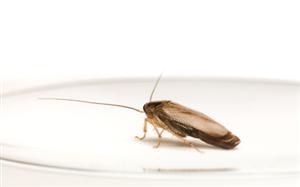
Which common insect carries the most bacteria on its body? You catch an ant, a cockroach, a fly, and a beetle from the same garden. Each insect walks across its own agar-filled petri dish for one minute. Then you seal the dishes and track bacteria growth over five days.
The ant and cockroach dishes grow the largest colonies. By day five, the ant dish reaches 44 mm across and the cockroach dish reaches 38 mm. The fly and beetle dishes grow noticeably less bacteria.
Hypothesis
The hypothesis is that flies and cockroaches have more germs on them than ants or beetles.
Science Concepts Learned
Microorganisms
Insects carry microorganisms on their bodies, tiny living things too small to see without a tool. When you release each insect onto a petri dish filled with agar, those invisible bacteria grow into colonies you can measure over five days.
Method & Materials
You will catch an ant, cockroach, fly, and beetle from the same location and release them onto petri dishes filled with agar. You will measure the size of the bacteria colony that grows in each petri dish over five days.
You will need four petri dishes prepared with agar, four plastic containers, an ant, a cockroach, a fly, a beetle, a ruler, a stopwatch, a clean pair of tweezers, and a marker pen.
Tinker Crate — science & engineering build kits for ages 9–12 — real tools, real experiments, delivered monthly. (Affiliate link)
See what’s includedResults
The results showed that the petri dishes exposed to the cockroach and the ant had more pronounced bacteria growth compared to the petri dishes exposed to the fly and the beetle. This suggests that cockroaches and ants carry more germs than flies and beetles.
Why do this project?
This science project is interesting because it allows students to explore the relationship between insects and germs and how they spread diseases.
Also Consider
Experiment variations include using other types of insects like dragonflies, bed beetles, or spiders. You can also repeat the experiment by capturing flies from various locations like a garbage dump, near animal feces, within the house, or in the garden and compare the amount of germs in them.
Full project details
Additional information and source material for this project are available below.Related videos
These videos explain the science behind this project and demonstrate key concepts used in the experiment.
Share this Science Project:
Related Science Fair Project Ideas
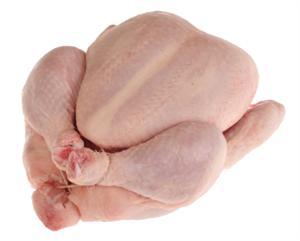
Swab fresh, frozen, and irradiated chicken onto agar plates and measure which processing method leaves the fewest bacteria behind.
Medium

Swab five waterless and five water-based urinals, grow the bacteria in petri dishes, and measure which type produces larger colonies.
Medium
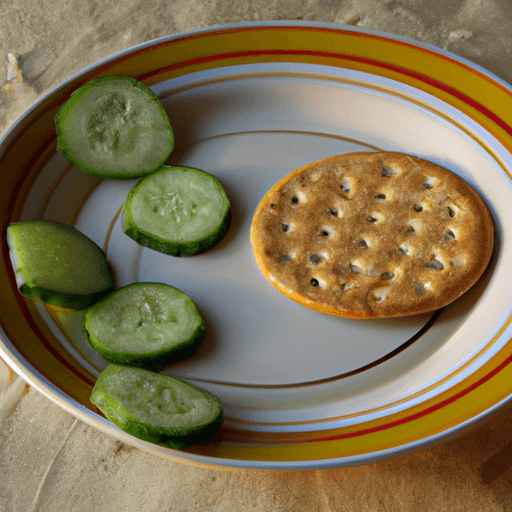
Drop cucumber slices and cheese crackers on four different surfaces, then count the bacteria colonies to see which food type picks up more germs.
Medium
Share this Science Project: