Disinfectants and Bacteria Survival
Hypothesis
Science Concepts Learned
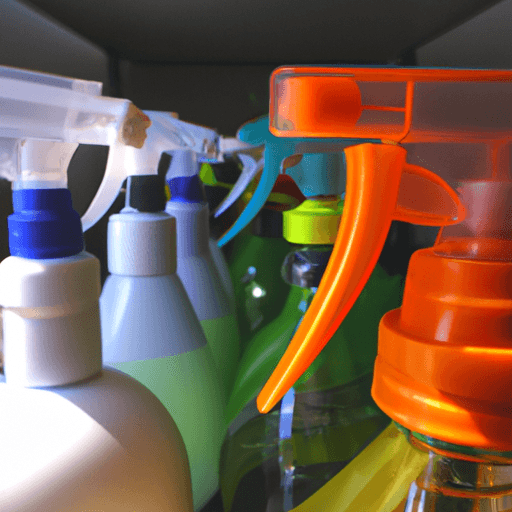
Colony counting is the standard way to judge whether a disinfectant actually worked: you spread treated bacteria onto agar plates, incubate them overnight at 35 degrees Celsius, and count what survives. Here, four household products — including bleach and Lysol — go head to head against six bacterial species. You mix each disinfectant with bacteria in sterile tubes, wait five minutes, then spread the mixture onto nutrient agar plates. The next day, the plate with the fewest surviving colonies identifies the product that killed the most bacteria.
Different cleaning products kill germs with different effectiveness. This experiment puts four disinfectants to a real test against six bacterial species. You spread the mixture onto agar plates and incubate overnight, then count surviving colonies on each plate. The results show which product leaves the fewest living bacteria behind.
Incubation keeps organisms warm, moist, and aired so they can grow. Here, bacteria mixed with disinfectants are spread onto agar plates and held at a steady temperature. The plates incubate overnight at 35 degrees Celsius, giving any surviving bacteria the conditions they need to form visible colonies. Counting those colonies the next day reveals which disinfectant killed the most bacteria.
Sterile containers ensure that only the bacteria you add are the ones you measure. Each disinfectant — bleach, Lysol, and others — mixes with bacteria in sterile tubes, blocking stray germs from entering the reaction. Without that clean step, surviving colonies on the agar plates could not be blamed on the disinfectant alone.
Method & Materials
Eureka Crate — engineering & invention kits for ages 12+ — monthly projects that build real-world skills. (Affiliate link)
See what’s includedResults
Why do this project?
Also Consider
Full project details
Additional information and source material for this project are available below.Browse by Grade
Related Science Fair Project Ideas